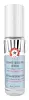
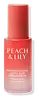
First Aid Beauty Bounce-Boosting Serum with Collagen + Peptides Versus Peach & Lily Power Cocktail Lactic Acid Repair Serum
This anti-aging serum is formulated around Bakuchiol to soften the look of wrinkles.
This smoothing serum is formulated around Lactic Acid and Panax Ginseng Root Extract to refine skin texture and strengthen the skin barrier.


What's inside
What's inside
 Key Ingredients
Benefits
Concerns
Ingredients Side-by-side
Water
Skin ConditioningPropanediol
Solvent

Dicaprylyl Carbonate
EmollientGlycerin
Humectant
C9-12 Alkane
SolventSoluble Collagen
Humectant
Ceramide NP
Skin Conditioning


Hydrolyzed Collagen
Emollient
Pentapeptide-34 Trifluoroacetate
Emollient
Hydrolyzed Sodium Hyaluronate
Skin Conditioning
Acetyl Hydroxyproline
EmollientSodium Hyaluronate
Humectant
Bakuchiol
Antimicrobial





Chrysanthemum Parthenium Extract
Skin ConditioningCamellia Sinensis Leaf Extract
Antimicrobial
Glycyrrhiza Glabra Root Extract
Bleaching
Chlorella Vulgaris Extract
Skin ConditioningTocopherol
Antioxidant
Coco-Caprylate/Caprate
Emollient
Glycine
Buffering
Histidine
Humectant
Hydrolyzed Corn Protein
Skin ConditioningAlanine
Masking
Sorbitan Olivate
Emulsifying

Isoleucine
Skin ConditioningLeucine
Skin ConditioningLysine
Skin ConditioningPhenylalanine
Masking
Proline
Skin Conditioning
Serine
Masking
Arginine
Masking
Cetearyl Olivate
Threonine
Tyrosine
MaskingValine
MaskingAspartic Acid
Masking
Butylene Glycol
Humectant
Carbomer
Emulsion StabilisingCetearyl Alcohol
Emollient



Glutamic Acid
Humectant
Glyceryl Acrylate/Acrylic Acid Copolymer
HumectantXanthan Gum
EmulsifyingPhenoxyethanol
Preservative
Potassium Sorbate
Preservative
Sodium Benzoate
Masking
Sodium Hydroxide
BufferingTetrasodium EDTA
Water, Propanediol, Dicaprylyl Carbonate, Glycerin, C9-12 Alkane, Soluble Collagen, Ceramide NP, Hydrolyzed Collagen, Pentapeptide-34 Trifluoroacetate, Hydrolyzed Sodium Hyaluronate, Acetyl Hydroxyproline, Sodium Hyaluronate, Bakuchiol, Chrysanthemum Parthenium Extract, Camellia Sinensis Leaf Extract, Glycyrrhiza Glabra Root Extract, Chlorella Vulgaris Extract, Tocopherol, Coco-Caprylate/Caprate, Glycine, Histidine, Hydrolyzed Corn Protein, Alanine, Sorbitan Olivate, Isoleucine, Leucine, Lysine, Phenylalanine, Proline, Serine, Arginine, Cetearyl Olivate, Threonine, Tyrosine, Valine, Aspartic Acid, Butylene Glycol, Carbomer, Cetearyl Alcohol, Glutamic Acid, Glyceryl Acrylate/Acrylic Acid Copolymer, Xanthan Gum, Phenoxyethanol, Potassium Sorbate, Sodium Benzoate, Sodium Hydroxide, Tetrasodium EDTA
Water
Skin ConditioningLactic Acid
Buffering

Tromethamine
Buffering1,2-Hexanediol
Skin Conditioning
Caprylic/Capric Triglyceride
Masking
Cetearyl Olivate
Sorbitan Olivate
Emulsifying
Glycerin
Humectant
Hydrogenated Polydecene
EmollientJania Rubens Extract
Skin ConditioningPanax Ginseng Root Extract
Emollient
Ceramide NP
Skin Conditioning
Camellia Japonica Flower Extract
EmollientCamellia Sinensis Leaf Extract
Antimicrobial
Saccharomyces/Viscum Album Ferment Extract
Skin Conditioning
Lactobacillus/Soybean Ferment Extract
Skin ConditioningSaccharomyces/Imperata Cylindrica Root Ferment Extract
Emollient
Saccharomyces/Rice Ferment Filtrate
Skin Conditioning
Butylene Glycol
Humectant
Xylitol
Humectant
Polyglutamic Acid
Skin Conditioning
Hyaluronic Acid
Humectant
Hydrolyzed Sodium Hyaluronate
Skin Conditioning
Hydrolyzed Hyaluronic Acid
Humectant
Sodium Hyaluronate
Humectant
Sodium Hyaluronate Crosspolymer
Humectant
Ginkgo Biloba Leaf Extract
Skin Conditioning
Phellinus Linteus Extract
Skin ConditioningTremella Fuciformis Extract
Humectant
Morus Alba Root Extract
BleachingPropanediol
Solvent
Caprylyl Glycol
Emollient
Acetyl Hexapeptide-8
Humectant
Copper Tripeptide-1
Skin Conditioning
Palmitoyl Pentapeptide-4
Skin Conditioning
Oligopeptide-1
Skin Conditioning
Oligopeptide-2
Skin Conditioning
Adenosine
Skin Conditioning
Sodium Polyacryloyldimethyl Taurate
Emulsion StabilisingPentylene Glycol
Skin Conditioning
Ethyl Hexanediol
SolventEthylhexylglycerin
Skin ConditioningWater, Lactic Acid, Tromethamine, 1,2-Hexanediol, Caprylic/Capric Triglyceride, Cetearyl Olivate, Sorbitan Olivate, Glycerin, Hydrogenated Polydecene, Jania Rubens Extract, Panax Ginseng Root Extract, Ceramide NP, Camellia Japonica Flower Extract, Camellia Sinensis Leaf Extract, Saccharomyces/Viscum Album Ferment Extract, Lactobacillus/Soybean Ferment Extract, Saccharomyces/Imperata Cylindrica Root Ferment Extract, Saccharomyces/Rice Ferment Filtrate, Butylene Glycol, Xylitol, Polyglutamic Acid, Hyaluronic Acid, Hydrolyzed Sodium Hyaluronate, Hydrolyzed Hyaluronic Acid, Sodium Hyaluronate, Sodium Hyaluronate Crosspolymer, Ginkgo Biloba Leaf Extract, Phellinus Linteus Extract, Tremella Fuciformis Extract, Morus Alba Root Extract, Propanediol, Caprylyl Glycol, Acetyl Hexapeptide-8, Copper Tripeptide-1, Palmitoyl Pentapeptide-4, Oligopeptide-1, Oligopeptide-2, Adenosine, Sodium Polyacryloyldimethyl Taurate, Pentylene Glycol, Ethyl Hexanediol, Ethylhexylglycerin
Reviews
Ingredients Explained
These ingredients are found in both products.
Ingredients higher up in an ingredient list are typically present in a larger amount.
Butylene Glycol (or BG) is used within cosmetic products for a few different reasons:
Overall, Butylene Glycol is a safe and well-rounded ingredient that works well with other ingredients.
Though this ingredient works well with most skin types, some people with sensitive skin may experience a reaction such as allergic rashes, closed comedones, or itchiness.
Learn more about Butylene GlycolCamellia Sinensis Leaf Extract (tea extract) is one of the most well-researched plant extracts in skincare with an impressive resume.
Black tea, green tea, and oolong tea are all harvested from the Camellia Sinensis plant.
Studies show green tea extract and its catechins (like epigallocatechin gallate (EGCG)) help your skin cells product energy more efficiently and reducing the number of free-radicals that can damage your skin from the inside.
In lab-grown skin models, this translated to younger, healthier, and stronger skin.
There's also good sun protection data; researchers saw less DNA damage and redness on human skin when green tea was applied before UVB exposure. And the more they applied, the better the protection.
Needless to say, this ingredient shouldn't replace your sunscreen. But it is a great supportive ingredient that you can already find in many sunscreens and antioxidant serums.
A 2009 study found a 2% green tea lotion was effective for mild-to-moderate acne thanks to its anti-inflammatory and mild antimicrobial activity.
The quality of the extract matters a lot here:
Good extracts contain 50-90% catechins while lower quality ones are mostly there for marketing. We recommend reaching out to the brand if you have questions about the quality or source of their ingredients.
Human Repeated Insult Patch Testing showed no irritation or sensitization at use concentrations (0.86% in leave-on products and up to 30% as leaf water).
Learn more about Camellia Sinensis Leaf ExtractCeramide NP (formerly known as Ceramide 3) is one of the skin's naturally occurring lipids.
Since ceramides are the major lipid components of the skin, they are crucial for maintaining skin barrier and hydration. Ceramide NP most closely mirrors the dominant kind in human skin amongst ceramide subtypes.
This ceramide works by slotting into gaps within the stratum corneum's lipid matrix to limit trans-epidermal water loss (TEWL) and shield the skin against external irritants.
A study with 312 patients found that using a ceramide-containing routine for 4 weeks reduced the severity of atopic dermatitis by over 61%.
Another clinical study in subjects aged 60 and older found that a ceramide body wash and moisturizer improved skin dryness and itchy skin in 15 days.
Overall, ceramides are considered non-irritating and safety tests have found little to no observable adverse effects from using this ingredient.
Ceramide NP is usually sourced from plants (like soybean or rice bran), or produced synthetically.
Learn more about Ceramide NPCetearyl Olivate is a plant-derived emulsifier and texture enhancer. It helps keep the oil and water phases from separating so your formulas stay stable.
You'll likely see it combined with Sorbitan Olivate (together sold as the trade name Olivem 1000). This combination generates a liquid crystal structure that closely resemble the lipid organization of the stratum corneum.
These "skin-like" liquid crystals improve skin barrier integrity and promote the delivery of actives into the skin.
This ingredient is well-tolerated and has no significant sensitization data.
Because it is derived from the fatty acids in olive oil, this ingredient may not be fungal acne safe.
Learn more about Cetearyl OlivateGlycerin (or glycerol) is a compound naturally found in your skin. It's a powerhouse humectant that pulls water into the stratum corneum.
Topically, glycerin does several things at once:
Your skin makes glycerin on its own (mostly from sebaceous oil breakdown) and shuttles it to your outermost layer of skin, or your epidermis, via aquaporin-3.
Aquaporin-3 is a transporter that is essential for normal skin hydration, elasticity, and repair. Interestingly, mice lacking in AQP3 have dry and less elastic skin that can be fully corrected with glycerin.
This ingredient is non-irritating, plays well with almost every ingredient, and works across all skin types. Typical use is anywhere between 3-10% but can go up to 79% in some leave-on products.
Just know very high concentrations (>40%) can feel tacky in low humidity.
Glycerin is the name for this ingredient in American English. British English uses Glycerol/Glycerine.
Learn more about GlycerinThis ingredient is created by putting sodium hyaluronate through hydrolysis.
You might know this as 'mini' or 'ultra low-molecular weight' hyaluronic acid. The small molecule size means it is able to travel deeper in the skin.
According to studies, low molecular-weight hyaluronic acid can:
One study from 2011 found ultra-low weight HA to show pro-inflammatory properties. Another study from 2022 found it to downregulate UV-B induced inflammation.
Hydrolysis is a process of changing a molecule using water or enzymes.
This ingredient is water-soluble.
Learn more about Hydrolyzed Sodium HyaluronatePropanediol is an all-star ingredient. It softens, hydrates, and smooths the skin.
It’s often used to:
Propanediol is not likely to cause sensitivity and considered safe to use. It is derived from corn or petroleum with a clear color and no scent.
Learn more about PropanediolSodium Hyaluronate is the salt form of hyaluronic acid. It is a long sugar chain that is naturally found in your skin, joints, and connective tissue that maintains hydration and elasticity.
In skincare, it works as a humectant. It pulls water from the environment and deeper layers of skin and binds it to the surface.
Interestingly, the size of the molecule affects its behavior:
Some clinical evidence links low molecular weight versions to improved wrinkle depth, elasticity, anti-inflammatory effects, and barrier repair.
Many serums use a blend of both weights so you can get surface hydration plus longer-lasting and deeper effects.
You'll typically see concentrations between 0.1-2% for this ingredient.
Learn more about Sodium HyaluronateSorbitan Olivate is created from the fatty acids in olive oil and sorbitol.
This ingredient is an oil in water emulsifier. It helps stabilize a product by preventing oils and waters from separating. Sorbitan Olivate also helps hydrate the skin.
This ingredient is also known as part of Olivem 1000, with Cetearyl Olivate being the other part.
According to a manufacturer, this ingredient helps preserve the natural microbiome of skin. Having a healthy microbiome helps keep our skin healthy and protects against harmful bacteria.
Please note, having a healthy microbiome is different from fungal acne; a healthy microbiome includes small amounts of yeast that normally live on your skin without causing problems.
Fungal acne happens when one type of yeast (Malassezia) grows out of control. This is usually because it's feeding on certain oils or fatty acids. Due to the olive oil base, this ingredient may not be fungal acne safe.
Learn more about Sorbitan OlivateWater. It's the most common cosmetic ingredient of all. You'll usually see it at the top of ingredient lists, meaning that it makes up the largest part of the product.
So why is it so popular? Water most often acts as a solvent - this means that it helps dissolve other ingredients into the formulation.
You'll also recognize water as that liquid we all need to stay alive. If you see this, drink a glass of water. Remember to stay hydrated!
Learn more about Water

