Fenty Beauty Flash Nap Instant Revival Priming Eye Gel-Cream Versus Skinfix Barrier+ Triple Lipid-Boost 360° Eye Cream
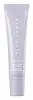
This anti-aging eye moisturizer is formulated around Camellia Sinensis Leaf Extract and Sodium Hyaluronate to soften the look of wrinkles and hydrate skin.
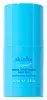
This eye moisturizer is formulated around Jojoba Oil/Macadamia Seed Oil Esters to hydrate skin.


What's inside
What's inside
 Key Ingredients
Benefits
Concerns
Ingredients Side-by-side
Water
Skin ConditioningGlycerin
Humectant


Propanediol
Solvent
Neopentyl Glycol Diheptanoate
EmollientDipentaerythrityl Hexa C5-9 Acid Esters
Skin ConditioningCetearyl Olivate


Cetearyl Alcohol
Emollient




Sorbitan Olivate
Emulsifying
Albizia Julibrissin Bark Extract
MaskingSigesbeckia Orientalis Extract
Skin ConditioningCaesalpinia Spinosa Fruit Extract
Skin ProtectingCamellia Sinensis Leaf Extract
Antimicrobial






Ginkgo Biloba Leaf Extract
Skin Conditioning
Hovenia Dulcis Fruit Extract
Skin ConditioningKappaphycus Alvarezii Extract
Skin Conditioning
Hyaluronic Acid
Humectant
Dipotassium Glycyrrhizate
Humectant
Sodium Hyaluronate
Humectant
Escin
TonicMenthyl Lactate
Masking
Acrylates/C10-30 Alkyl Acrylate Crosspolymer
Emulsion StabilisingButylene Glycol
Humectant
Dimethicone
Emollient
Potassium Hydroxide
BufferingSodium Metabisulfite
Antioxidant
Hydroxyacetophenone
Antioxidant
Potassium Sorbate
Preservative
Sodium Benzoate
Masking
Phenoxyethanol
Preservative
Mica
Cosmetic ColorantCI 77891
Cosmetic ColorantBenzyl Salicylate
Perfuming



Hexyl Cinnamal
Perfuming
Limonene
Perfuming
Linalool
Perfuming
Parfum
Masking
Water, Glycerin, Propanediol, Neopentyl Glycol Diheptanoate, Dipentaerythrityl Hexa C5-9 Acid Esters, Cetearyl Olivate, Cetearyl Alcohol, Sorbitan Olivate, Albizia Julibrissin Bark Extract, Sigesbeckia Orientalis Extract, Caesalpinia Spinosa Fruit Extract, Camellia Sinensis Leaf Extract, Ginkgo Biloba Leaf Extract, Hovenia Dulcis Fruit Extract, Kappaphycus Alvarezii Extract, Hyaluronic Acid, Dipotassium Glycyrrhizate, Sodium Hyaluronate, Escin, Menthyl Lactate, Acrylates/C10-30 Alkyl Acrylate Crosspolymer, Butylene Glycol, Dimethicone, Potassium Hydroxide, Sodium Metabisulfite, Hydroxyacetophenone, Potassium Sorbate, Sodium Benzoate, Phenoxyethanol, Mica, CI 77891, Benzyl Salicylate, Hexyl Cinnamal, Limonene, Linalool, Parfum
Water
Skin ConditioningGlycerin
Humectant
C10-18 Triglycerides
Emollient
Caprylyl Caprylate/Caprate
Emollient
Propanediol
Solvent
Jojoba Oil/Macadamia Seed Oil Esters
Skin Conditioning
Cetearyl Olivate
Stearyl Alcohol
Emollient
Octyldodecanol
Emollient
Caprylic/Capric Triglyceride
Masking
Sorbitan Olivate
Emulsifying
Behenyl Alcohol
Emollient
Saccharomyces Cerevisiae Extract
Skin Conditioning
Oryza Sativa Bran Extract
Skin Conditioning
Rosmarinus Officinalis Leaf Extract
AntimicrobialHelianthus Annuus Extract
Emollient
Medicago Sativa Seed Extract
Skin ConditioningPhytosteryl Macadamiate
Skin Conditioning
Trisodium Ethylenediamine Disuccinate
ChelatingAloe Barbadensis Leaf Juice
Skin Conditioning
Hydrolyzed Lupine Protein
Skin ConditioningGluconolactone
Chelating


Phytosterols
Skin Conditioning
Chondrus Crispus Extract
Skin Conditioning
Squalene
Emollient
Phytosteryl Canola Glycerides
Skin Conditioning
Hydrogenated Vegetable Oil
Emollient
Ethylhexylglycerin
Skin ConditioningDilinoleic Acid/Propanediol Copolymer
EmollientMyristyl Myristate
Emollient
Xanthan Gum
EmulsifyingCitric Acid
Buffering
Sodium Benzoate
Masking
Phenoxyethanol
Preservative
Potassium Sorbate
Preservative
Water, Glycerin, C10-18 Triglycerides, Caprylyl Caprylate/Caprate, Propanediol, Jojoba Oil/Macadamia Seed Oil Esters, Cetearyl Olivate, Stearyl Alcohol, Octyldodecanol, Caprylic/Capric Triglyceride, Sorbitan Olivate, Behenyl Alcohol, Saccharomyces Cerevisiae Extract, Oryza Sativa Bran Extract, Rosmarinus Officinalis Leaf Extract, Helianthus Annuus Extract, Medicago Sativa Seed Extract, Phytosteryl Macadamiate, Trisodium Ethylenediamine Disuccinate, Aloe Barbadensis Leaf Juice, Hydrolyzed Lupine Protein, Gluconolactone, Phytosterols, Chondrus Crispus Extract, Squalene, Phytosteryl Canola Glycerides, Hydrogenated Vegetable Oil, Ethylhexylglycerin, Dilinoleic Acid/Propanediol Copolymer, Myristyl Myristate, Xanthan Gum, Citric Acid, Sodium Benzoate, Phenoxyethanol, Potassium Sorbate
Reviews
Ingredients Explained
These ingredients are found in both products.
Ingredients higher up in an ingredient list are typically present in a larger amount.
Cetearyl Olivate is a plant-derived emulsifier and texture enhancer. It helps keep the oil and water phases from separating so your formulas stay stable.
You'll likely see it combined with Sorbitan Olivate (together sold as the trade name Olivem 1000). This combination generates a liquid crystal structure that closely resemble the lipid organization of the stratum corneum.
These "skin-like" liquid crystals improve skin barrier integrity and promote the delivery of actives into the skin.
This ingredient is well-tolerated and has no significant sensitization data.
Because it is derived from the fatty acids in olive oil, this ingredient may not be fungal acne safe.
Learn more about Cetearyl OlivateGlycerin (or glycerol) is a compound naturally found in your skin. It's a powerhouse humectant that pulls water into the stratum corneum.
Topically, glycerin does several things at once:
Your skin makes glycerin on its own (mostly from sebaceous oil breakdown) and shuttles it to your outermost layer of skin, or your epidermis, via aquaporin-3.
Aquaporin-3 is a transporter that is essential for normal skin hydration, elasticity, and repair. Interestingly, mice lacking in AQP3 have dry and less elastic skin that can be fully corrected with glycerin.
This ingredient is non-irritating, plays well with almost every ingredient, and works across all skin types. Typical use is anywhere between 3-10% but can go up to 79% in some leave-on products.
Just know very high concentrations (>40%) can feel tacky in low humidity.
Glycerin is the name for this ingredient in American English. British English uses Glycerol/Glycerine.
Learn more about GlycerinPhenoxyethanol is one of the most widely used preservatives in skincare (and for good reason!).
It has a large spectrum of antimicrobial activity and especially effective bacteria, yeast, and mold while only having a weak effect on your skin's natural microbiome.
On a cellular level, it disrupts the cell membranes of microbes by poking holes that make the cell leak. This shuts down the chemical reactions the microbe needs to make energy so it can no longer survive.
Another perk of this ingredient is that it stays functional across a wide pH range (3-10).
You'll often see it paired with boosters like Ethylhexylglycerin; one study showed that a 1:9 ratio of Ethylhexylglycerin to Phenoxyethanol damages bacterial membranes as effectively as doubling the Phenoxyethanol concentration on its own.
Typical use concentrations range from 0.3-1% depending on the formula, and this ingredient is capped at 1% int the EU.
Safety-wise, the fear mongering does not hold up to the evidence. The EU's Scientific Committee on Consumer Safety and FDA consider it safe as a preservative at up to 1%, including for children of all ages.
Adverse systemic effects only showed up in animal studies at exposures roughly 200x higher than what people get from cosmetics. And despite its very widespread use, this ingredient is a rare sensitizer and allergic reactions are uncommon.
Learn more about PhenoxyethanolPotassium Sorbate is a preservative used to prevent yeast and mold in products. It is commonly found in both cosmetic and food products.
This ingredient comes from potassium salt derived from sorbic acid. Sorbic acid is a natural antibiotic and effective against fungus.
Both potassium sorbate and sorbic acid can be found in baked goods, cheeses, dried meats, dried fruit, ice cream, pickles, wine, yogurt, and more.
You'll often find this ingredient used with other preservatives.
Learn more about Potassium SorbatePropanediol is an all-star ingredient. It softens, hydrates, and smooths the skin.
It’s often used to:
Propanediol is not likely to cause sensitivity and considered safe to use. It is derived from corn or petroleum with a clear color and no scent.
Learn more about PropanediolSodium Benzoate is a preservative. It's used in both cosmetic and food products to inhibit the growth of mold and bacteria. It is typically produced synthetically.
Both the US FDA and EU Health Committee have approved the use of sodium benzoate. In the US, levels of 0.1% (of the total product) are allowed.
Sodium benzoate works as a preservative by inhibiting the growth of bacteria inside of cells. It prevents the cell from fermenting a type of sugar using an enzyme called phosphofructokinase.
It is the salt of benzoic acid. Foods containing sodium benzoate include soda, salad dressings, condiments, fruit juices, wines, and snack foods.
Studies for using ascorbic acid and sodium benzoate in cosmetics are lacking, especially in skincare routines with multiple steps.
We always recommend speaking with a professional, such as a dermatologist, if you have any concerns.
Learn more about Sodium BenzoateSorbitan Olivate is created from the fatty acids in olive oil and sorbitol.
This ingredient is an oil in water emulsifier. It helps stabilize a product by preventing oils and waters from separating. Sorbitan Olivate also helps hydrate the skin.
This ingredient is also known as part of Olivem 1000, with Cetearyl Olivate being the other part.
According to a manufacturer, this ingredient helps preserve the natural microbiome of skin. Having a healthy microbiome helps keep our skin healthy and protects against harmful bacteria.
Please note, having a healthy microbiome is different from fungal acne; a healthy microbiome includes small amounts of yeast that normally live on your skin without causing problems.
Fungal acne happens when one type of yeast (Malassezia) grows out of control. This is usually because it's feeding on certain oils or fatty acids. Due to the olive oil base, this ingredient may not be fungal acne safe.
Learn more about Sorbitan OlivateWater. It's the most common cosmetic ingredient of all. You'll usually see it at the top of ingredient lists, meaning that it makes up the largest part of the product.
So why is it so popular? Water most often acts as a solvent - this means that it helps dissolve other ingredients into the formulation.
You'll also recognize water as that liquid we all need to stay alive. If you see this, drink a glass of water. Remember to stay hydrated!
Learn more about Water

