
What's inside
What's inside
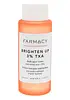 Key Ingredients
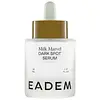
Benefits
Concerns
No concerns
Ingredients Side-by-side
Water
Skin ConditioningGluconolactone
Skin Conditioning





Pentylene Glycol
Skin ConditioningIsopentyldiol
Humectant
Tranexamic Acid
Astringent



Betaine
Humectant
Propanediol
Solvent
Azelaic Acid
Buffering



Ascorbic Acid
Antioxidant

Citrus Aurantium Amara Fruit Extract
Skin ConditioningCitrus Aurantium Sinensis Peel Extract
Skin ConditioningCitrus Reticulata Fruit Extract
Skin ProtectingGlycerin
Humectant
Allantoin
Skin Conditioning
Polyglycerin-6
HumectantInulin
Skin ConditioningFructose
Humectant
Glucose
Humectant
Xanthan Gum
EmulsifyingCellulose Gum
Emulsion StabilisingLactic Acid
Buffering


Citric Acid
Buffering
Sodium Phytate
Cellulose
AbsorbentWater, Gluconolactone, Pentylene Glycol, Isopentyldiol, Tranexamic Acid, Betaine, Propanediol, Azelaic Acid, Ascorbic Acid, Citrus Aurantium Amara Fruit Extract, Citrus Aurantium Sinensis Peel Extract, Citrus Reticulata Fruit Extract, Glycerin, Allantoin, Polyglycerin-6, Inulin, Fructose, Glucose, Xanthan Gum, Cellulose Gum, Lactic Acid, Citric Acid, Sodium Phytate, Cellulose
Water
Skin ConditioningCaprylic/Capric Triglyceride
Masking
Glycerin
Humectant
Crambe Abyssinica Seed Oil Phytosterol Esters
Emulsifying

Niacinamide
Smoothing
Glyceryl Stearate Se
Emulsifying
Methylpropanediol
SolventPolyglyceryl-6 Laurate
Emulsifying
Polyglyceryl-10 Oleate
Skin Conditioning
Ceteareth-20
Cleansing
Cetearyl Alcohol
Emollient
Phenoxyethanol
Preservative
Caprylyl Glycol
Emollient
Acrylates/C10-30 Alkyl Acrylate Crosspolymer
Emulsion StabilisingSorbitan Palmitate
Emulsifying
Sodium Phytate
Glycyrrhiza Glabra Root Extract
Bleaching
Cellulose Gum
Emulsion Stabilising3-O-Ethyl Ascorbic Acid
Skin Conditioning
Honokiol
Antioxidant
Magnolol
Antioxidant
Plankton Extract
Skin ConditioningBromelain
Skin ConditioningPapain
Skin ConditioningLecithin
Emollient
Sodium Hydroxide
BufferingAlgin
Masking
Sodium Ascorbate
Antioxidant
Tocopherol
Antioxidant
Water, Caprylic/Capric Triglyceride, Glycerin, Crambe Abyssinica Seed Oil Phytosterol Esters, Niacinamide, Glyceryl Stearate Se, Methylpropanediol, Polyglyceryl-6 Laurate, Polyglyceryl-10 Oleate, Ceteareth-20, Cetearyl Alcohol, Phenoxyethanol, Caprylyl Glycol, Acrylates/C10-30 Alkyl Acrylate Crosspolymer, Sorbitan Palmitate, Sodium Phytate, Glycyrrhiza Glabra Root Extract, Cellulose Gum, 3-O-Ethyl Ascorbic Acid, Honokiol, Magnolol, Plankton Extract, Bromelain, Papain, Lecithin, Sodium Hydroxide, Algin, Sodium Ascorbate, Tocopherol
Reviews
Ingredients Explained
These ingredients are found in both products.
Ingredients higher up in an ingredient list are typically present in a larger amount.
Cellulose Gum is a water-soluble polymer that comes from cellulose. It is used to change the texture of a product and to help stabilize emulsions.
As an emulsifier, cellulose gum specifically thicken the texture of water-based products.
This ingredient is considered hypoallergenic and non-toxic. Cellulose Gum can be found in cosmetics, food, and other household goods such as paper products.
Learn more about Cellulose GumGlycerin is already naturally found in your skin. It helps moisturize and protect your skin.
A study from 2016 found glycerin to be more effective as a humectant than AHAs and hyaluronic acid.
As a humectant, it helps the skin stay hydrated by pulling moisture to your skin. The low molecular weight of glycerin allows it to pull moisture into the deeper layers of your skin.
Hydrated skin improves your skin barrier; Your skin barrier helps protect against irritants and bacteria.
Glycerin has also been found to have antimicrobial and antiviral properties. Due to these properties, glycerin is often used in wound and burn treatments.
In cosmetics, glycerin is usually derived from plants such as soybean or palm. However, it can also be sourced from animals, such as tallow or animal fat.
This ingredient is organic, colorless, odorless, and non-toxic.
Glycerin is the name for this ingredient in American English. British English uses Glycerol/Glycerine.
Learn more about GlycerinSodium Phytate is the synthetic salt form of phytic acid. Phytic acid is an antioxidant and can be found in plant seeds.
Sodium Phytate is a chelating agent. Chelating agents help prevent metals from binding to water. This helps stabilize the ingredients and the product.
Water. It's the most common cosmetic ingredient of all. You'll usually see it at the top of ingredient lists, meaning that it makes up the largest part of the product.
So why is it so popular? Water most often acts as a solvent - this means that it helps dissolve other ingredients into the formulation.
You'll also recognize water as that liquid we all need to stay alive. If you see this, drink a glass of water. Stay hydrated!
Learn more about Water
