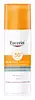
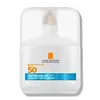
Eucerin Sun Gel-Cream Oil Control SPF 50+ Versus La Roche-Posay Anthelios UVAir Serum Sunscreen SPF 50
This chemical sunscreen covers the full UV range and blocks ~98% of UVB at SPF 50.
This chemical sunscreen covers most of the UV range, lighter on the deep UVA that drives aging.


What's inside
What's inside
 Key Ingredients
Benefits
Concerns
Ingredients Side-by-side
Water
Skin ConditioningAlcohol Denat.
Antimicrobial




Butylene Glycol Dicaprylate/Dicaprate
EmollientC12-15 Alkyl Benzoate
AntimicrobialButyl Methoxydibenzoylmethane
UV Absorber
Dibutyl Adipate
EmollientBis-Ethylhexyloxyphenol Methoxyphenyl Triazine
UV Absorber
Silica
Abrasive


Ethylhexyl Triazone
UV Absorber
Phenylbenzimidazole Sulfonic Acid
UV Absorber
Diethylamino Hydroxybenzoyl Hexyl Benzoate
UV Filter
Cetearyl Alcohol
Emollient




Behenyl Alcohol
Emollient
Silica Dimethyl Silylate
EmollientCopernicia Cerifera Cera
Emollient
Glycyrrhetinic Acid
Skin Conditioning
Glycyrrhiza Inflata Root Extract
Skin Conditioning
Carnitine
Cleansing
Glycerin
Humectant


Dimethicone
Emollient
Xanthan Gum
EmulsifyingCarrageenan
Sodium Chloride
MaskingSodium Stearoyl Glutamate
CleansingHydroxypropyl Methylcellulose
Emulsion StabilisingSodium Hydroxide
BufferingTrisodium EDTA
ChelatingPhenoxyethanol
Preservative
Decylene Glycol
Skin ConditioningEthylhexylglycerin
Skin ConditioningHydroxyacetophenone
Antioxidant
Water, Alcohol Denat., Butylene Glycol Dicaprylate/Dicaprate, C12-15 Alkyl Benzoate, Butyl Methoxydibenzoylmethane, Dibutyl Adipate, Bis-Ethylhexyloxyphenol Methoxyphenyl Triazine, Silica, Ethylhexyl Triazone, Phenylbenzimidazole Sulfonic Acid, Diethylamino Hydroxybenzoyl Hexyl Benzoate, Cetearyl Alcohol, Behenyl Alcohol, Silica Dimethyl Silylate, Copernicia Cerifera Cera, Glycyrrhetinic Acid, Glycyrrhiza Inflata Root Extract, Carnitine, Glycerin, Dimethicone, Xanthan Gum, Carrageenan, Sodium Chloride, Sodium Stearoyl Glutamate, Hydroxypropyl Methylcellulose, Sodium Hydroxide, Trisodium EDTA, Phenoxyethanol, Decylene Glycol, Ethylhexylglycerin, Hydroxyacetophenone
Butyl Methoxydibenzoylmethane 3%
UV Absorber
Homosalate 7%
Skin Conditioning
Ethylhexyl Salicylate 5%
UV Absorber
Octocrylene 7%
UV Absorber
Water
Skin ConditioningGlycerin
Humectant
C15-19 Alkane
SolventNiacinamide
Smoothing






Propanediol
Solvent
C12-22 Alkyl Acrylate/Hydroxyethylacrylate Copolymer
StabilisingTocopherol
Antioxidant
Caprylic/Capric Triglyceride
Masking
Caprylyl Glycol
Emollient
Cassia Alata Leaf Extract
AstringentCetearyl Alcohol
Emollient
Citric Acid
Buffering
Diethylhexyl Syringylidenemalonate
Skin Protecting
Glyceryl Stearate
Emollient
Helianthus Annuus Seed Wax
Skin Conditioning
Hydroxyacetophenone
Antioxidant
Hydroxypropyl Starch Phosphate
Jojoba Esters
Emollient
Maltodextrin
Absorbent
Pentylene Glycol
Skin Conditioning
Polyglycerin-3
Humectant
Sclerotium Gum
Emulsion StabilisingSodium Hyaluronate
Humectant
Sodium Hydroxide
BufferingSodium Starch Octenylsuccinate
AbsorbentSodium Stearoyl Glutamate
CleansingTrisodium Ethylenediamine Disuccinate
ChelatingButyl Methoxydibenzoylmethane 3%, Homosalate 7%, Ethylhexyl Salicylate 5%, Octocrylene 7%, Water, Glycerin, C15-19 Alkane, Niacinamide, Propanediol, C12-22 Alkyl Acrylate/Hydroxyethylacrylate Copolymer, Tocopherol, Caprylic/Capric Triglyceride, Caprylyl Glycol, Cassia Alata Leaf Extract, Cetearyl Alcohol, Citric Acid, Diethylhexyl Syringylidenemalonate, Glyceryl Stearate, Helianthus Annuus Seed Wax, Hydroxyacetophenone, Hydroxypropyl Starch Phosphate, Jojoba Esters, Maltodextrin, Pentylene Glycol, Polyglycerin-3, Sclerotium Gum, Sodium Hyaluronate, Sodium Hydroxide, Sodium Starch Octenylsuccinate, Sodium Stearoyl Glutamate, Trisodium Ethylenediamine Disuccinate
Reviews
Ingredients Explained
These ingredients are found in both products.
Ingredients higher up in an ingredient list are typically present in a larger amount.
Also known as Avobenzone, this ingredient is an oil-soluble used to absorb the full spectrum of UVA rays (peak 357 nm).
It's one of the most effective UVA filters available but has a major caveat of photostability: avobenzone is susceptible to photodegradation.
This means it can lose efficacy when exposed to sunlight without the help of a stabilizing agent.
Studies show antioxidants (like vitamin E or vitamin C) and some UV filters (like octocrylene and Tinosorb S) can meaningfully improve its stability in a formulation.
The maximum allowable concentration according to regulation is 3% in the US + Canada, and 5% in the EU, Australia, China, Korea, and ASEAN countries.
It has a well-support safety profile: a comprehensive 2025 review found minimal toxicity with no evidence of carcinogenicity.
Overall, avobenzone is a safe and regulated ingredient used in sunscreen for over 40 years.
Learn more about Butyl MethoxydibenzoylmethaneCetearyl alcohol is a waxy mixture of two fatty alcohols: cetyl alcohol and stearyl alcohol. It is an emollient and emulsifier.
Despite having "alcohol" in its name, it has nothing to do with drying solvent alcohols; the FDA also allows "alcohol-free" products to contain fatty alcohols like this ingredient.
It plays several roles in a formula:
Typical use levels for this ingredient sit around 1-10% and the Cosmetic Ingredient Review Expert Panel has affirmed safety at concentrations up to 25% in leave-on products.
Multiple assessments have found it to be non-irritating and non-sensitizing to most people.
However, there have been some cases of allergic contact dermatitis in patients with chronically compromised skin barriers.
Cetearyl alcohol has a comedogenic rating of 2 and irritancy rating of 1. Both of these numbers come from the 1989 study that used rabbit ears; a "2" means mildly comedogenic and a "1" means low irritancy.
Here's the catch: rabbit skin is more sensitive than human skin and throws a lot of false positives. A 1996 reappraisal found that ingredients rated 1-2 in the rabbit ear tests are generally safe for humans.
Remember comedogenic ratings are unable to assess the entire formula of a product or how it will react on your skin. Just be sure to patch test if you are unsure about certain ingredients.
This ingredient is not fungal acne safe. Cetearyl alcohol is a fatty alcohol with chain lengths that fall within the range that Malassezia can metabolize.
A 2019 study has also observed Malassezia growth in the presence of this ingredient, confirming it to be not-fungal acne safe.
Learn more about Cetearyl AlcoholGlycerin (or glycerol) is a compound naturally found in your skin. It's a powerhouse humectant that pulls water into the stratum corneum.
Topically, glycerin does several things at once:
Your skin makes glycerin on its own (mostly from sebaceous oil breakdown) and shuttles it to your outermost layer of skin, or your epidermis, via aquaporin-3.
Aquaporin-3 is a transporter that is essential for normal skin hydration, elasticity, and repair. Interestingly, mice lacking in AQP3 have dry and less elastic skin that can be fully corrected with glycerin.
This ingredient is non-irritating, plays well with almost every ingredient, and works across all skin types. Typical use is anywhere between 3-10% but can go up to 79% in some leave-on products.
Just know very high concentrations (>40%) can feel tacky in low humidity.
Glycerin is the name for this ingredient in American English. British English uses Glycerol/Glycerine.
Learn more about GlycerinHydroxyacetophenone is a small phenolic molecule that earns its place in a formulas as an antioxidant and preservative booster.
As a phenol, it is able to neutralize free radicals to protect both the product and the skin from oxidative stress.
Though it can't kill microbes on its own, it works as a good supporting agent when combined with other preservatives like Phenoxyethanol or 1,2-Hexanediol.
This ingredient naturally occurs as piceol in Norwegian spruce needles (~0.4-1.1% dry weight and in cloudberries). Though the cosmetic-grade material is synthesized for purity and consistency.
You'll usually see it used at low levels and suppliers recommend up to 1% added to a water phase.
Safety testing was done at concentrations like 0.05% in SPF products and 0.5% in a Human Repeated Insult Patch Test. The safety evidence is assuring; this ingredient is safe for cosmetics in current use and also holds safety status as a food flavoring as well.
An honest caveat: the "soothing" and "anti-inflammatory" claims come mostly from supplier marketing rather than published clinical trials. The Cosmetic Ingredient Review's own literature search found no useful efficacy studies on this ingredient.
So the antioxidant and preservative-boosting roles are the well supported ones while the calming benefit is plausible but thinly evidenced.
Overall, this is a well-tolerated, low-irritation multitasker that quietly helps a formula stay fresh and stable.
Learn more about HydroxyacetophenoneSodium Hydroxide is also known as lye or caustic soda. It is used to adjust the pH of products; many ingredients require a specific pH to be effective.
In small amounts, sodium hydroxide is considered safe to use. However, large amounts may cause chemical burns due to its high alkaline.
Your skin has a natural pH and acid mantle. This acid mantle helps prevent harmful bacteria from breaking through. The acid mantle also helps keep your skin hydrated.
"Alkaline" refers to a high pH level. A low pH level would be considered acidic.
Learn more about Sodium HydroxideSodium Stearoyl Glutamate is an amino-acid based emulsifier. It is made by combining stearic acid with L-glutamic acid and neutralizing it to a sodium salt.
As an emulsifier, it works mainly as an oil-in-water one and helps keep the oil and water in your formulas blended. It also contributes to a smooth, non-greasy skin feel.
This ingredient is biodegradable and commonly available in natural/COSMOS-certified grades.
Learn more about Sodium Stearoyl GlutamateWater. It's the most common cosmetic ingredient of all. You'll usually see it at the top of ingredient lists, meaning that it makes up the largest part of the product.
So why is it so popular? Water most often acts as a solvent - this means that it helps dissolve other ingredients into the formulation.
You'll also recognize water as that liquid we all need to stay alive. If you see this, drink a glass of water. Remember to stay hydrated!
Learn more about Water

