

What's inside
What's inside
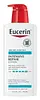 Key Ingredients
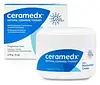
Benefits
Concerns
Ingredients Side-by-side
Paraffinum Liquidum
Emollient

Octyldodecanol
Emollient
Caprylic/Capric Triglyceride
Masking


Isopropyl Palmitate
Emollient

Sodium Lactate
Buffering
Urea
Buffering

Glycerin
Humectant
PEG-7 Hydrogenated Castor Oil
Emulsifying
Benzyl Alcohol
Perfuming





Dimethicone
Emollient
Methoxy PEG-22/Dodecyl Glycol Copolymer
Emulsion StabilisingPEG-45/Dodecyl Glycol Copolymer
Emulsion StabilisingMagnesium Sulfate
Lactic Acid
Buffering






Microcrystalline Wax
Emulsion StabilisingPEG-2 Hydrogenated Castor Oil
Emulsifying
Sorbitan Isostearate
Emulsifying
Paraffinum Liquidum, Octyldodecanol, Caprylic/Capric Triglyceride, Isopropyl Palmitate, Sodium Lactate, Urea, Glycerin, PEG-7 Hydrogenated Castor Oil, Benzyl Alcohol, Dimethicone, Methoxy PEG-22/Dodecyl Glycol Copolymer, PEG-45/Dodecyl Glycol Copolymer, Magnesium Sulfate, Lactic Acid, Microcrystalline Wax, PEG-2 Hydrogenated Castor Oil, Sorbitan Isostearate
Water
Skin ConditioningTheobroma Cacao Seed Butter
Emollient
Prunus Amygdalus Dulcis Oil
Skin Conditioning
Prunus Armeniaca Kernel Oil
Masking
Cetearyl Olivate
Cetearyl Alcohol
Emollient
Butyrospermum Parkii Butter
Skin Conditioning
Sorbitan Olivate
Emulsifying
Glycerin
Humectant
Caprylic/Capric Triglyceride
Masking
Pyrus Malus Fruit Extract
Skin Conditioning
Sorbitan Stearate
Emulsifying
Dimethicone
Emollient
Sodium PCA
Humectant
Potassium Cetyl Phosphate
EmulsifyingCeramide NP
Skin Conditioning

Lecithin
Emollient
Phospholipids
Skin Conditioning
Glycine Soja Sterols
Emollient
Linoleic Acid
Cleansing
Glycine Soja Extract
Skin ConditioningSodium Hyaluronate
Humectant
Oryza Sativa Bran Extract
Skin Conditioning
Calendula Officinalis Flower Extract
Masking
Sambucus Nigra Flower Extract
RefreshingCucumis Sativus Fruit Extract
Emollient
Arnica Montana Flower Extract
Masking
Hedera Helix Extract
AntimicrobialBambusa Vulgaris Extract
Skin Conditioning
Rosmarinus Officinalis Leaf Extract
AntimicrobialHelianthus Annuus Extract
Emollient
Allantoin
Skin Conditioning
Citrus Grandis Seed Extract
Astringent
Tocopherol
Antioxidant

Lactic Acid
Buffering
Sorbityl Laurate
Emulsifying
Potassium Sorbate
Preservative
Ethylhexylglycerin
Skin ConditioningPhenoxyethanol
Preservative
Water, Theobroma Cacao Seed Butter, Prunus Amygdalus Dulcis Oil, Prunus Armeniaca Kernel Oil, Cetearyl Olivate, Cetearyl Alcohol, Butyrospermum Parkii Butter, Sorbitan Olivate, Glycerin, Caprylic/Capric Triglyceride, Pyrus Malus Fruit Extract, Sorbitan Stearate, Dimethicone, Sodium PCA, Potassium Cetyl Phosphate, Ceramide NP, Lecithin, Phospholipids, Glycine Soja Sterols, Linoleic Acid, Glycine Soja Extract, Sodium Hyaluronate, Oryza Sativa Bran Extract, Calendula Officinalis Flower Extract, Sambucus Nigra Flower Extract, Cucumis Sativus Fruit Extract, Arnica Montana Flower Extract, Hedera Helix Extract, Bambusa Vulgaris Extract, Rosmarinus Officinalis Leaf Extract, Helianthus Annuus Extract, Allantoin, Citrus Grandis Seed Extract, Tocopherol, Lactic Acid, Sorbityl Laurate, Potassium Sorbate, Ethylhexylglycerin, Phenoxyethanol
Ingredients Explained
These ingredients are found in both products.
Ingredients higher up in an ingredient list are typically present in a larger amount.
This ingredient is a lightweight emollient, solvent, and texture enhancer. It is considered a skin-softener by helping the skin prevent moisture loss.
It helps thicken a product's formula and makes it easier to spread by dissolving clumping compounds.
Caprylic Triglyceride is made by combining glycerin with coconut oil, forming a clear liquid. Though it behaves like an oil, it is not technically one due to its chemical composition. It is very stable, resistant to oxidation, and unlikely to go rancid. In practice, that translates to a long shelf life and a consistently elegant skin feel.
While there is an assumption Caprylic Triglyceride can clog pores due to it being derived from coconut oil, there is no research supporting this. Be sure to patch test if you have concerns.
Fractionated coconut oil and MCT Oil are both listed as Caprylic/Capric Triglyceride according to INCI. This is because INCI names are based on the ingredient’s final chemical composition and not its marketing name or source.
Learn more about Caprylic/Capric TriglycerideDimethicone is a type of synthetic silicone created from natural materials such as quartz. It is also known as polydimethylsiloxane.
What it does:
Dimethicone comes in different viscosities:
Depending on the viscosity, dimethicone has different properties.
Ingredients lists don't always show which type is used, so we recommend reaching out to the brand if you have questions about the viscosity.
This ingredient is unlikely to cause irritation because it does not get absorbed into skin. However, people with silicone allergies should be careful about using this ingredient.
Note: Dimethicone may contribute to pilling. This is because it is not oil or water soluble, so pilling may occur when layered with products. When mixed with heavy oils in a formula, the outcome is also quite greasy.
Learn more about DimethiconeGlycerin (or glycerol) is a compound naturally found in your skin. It's a powerhouse humectant that pulls water into the stratum corneum.
Topically, glycerin does several things at once:
Your skin makes glycerin on its own (mostly from sebaceous oil breakdown) and shuttles it to your outermost layer of skin, or your epidermis, via aquaporin-3.
Aquaporin-3 is a transporter that is essential for normal skin hydration, elasticity, and repair. Interestingly, mice lacking in AQP3 have dry and less elastic skin that can be fully corrected with glycerin.
This ingredient is non-irritating, plays well with almost every ingredient, and works across all skin types. Typical use is anywhere between 3-10% but can go up to 79% in some leave-on products.
Just know very high concentrations (>40%) can feel tacky in low humidity.
Glycerin is the name for this ingredient in American English. British English uses Glycerol/Glycerine.
Learn more about GlycerinLactic Acid is another well-loved alpha hydroxy acid (AHA). It is gentler than glycolic acid but still highly effective.
Its main role is to exfoliate the surface of the skin by loosening the “glue” that holds dead skin cells together. Shedding those old cells leads to smoother, softer, and more even-toned skin.
Because lactic acid molecules are larger than glycolic acid, they don’t penetrate as deeply. This means they’re less likely to sting or irritate, making it a great choice for beginners or those with sensitive skin.
Like glycolic acid, it can:
Lactic acid also acts as a humectant (like hyaluronic acid). It can draw water into the skin to improve hydration and also plays a role in the skin's natural moisturizing factor (NMF) in the form of sodium lactate.
Studies show it can boost ceramide production to strengthen the skin barrier and even help balance the skin’s microbiome.
To get results, choose products with a pH between 3-4.
Lower strengths (5-12%) focus on surface exfoliation; higher strengths (12% and up) can reach deeper in the dermis (deeper, supportive layer) to improve skin texture and firmness over time.
Though it was originally derived from milk, most modern lactic acid used in skincare is vegan. It is made through non-dairy fermentation to create a bio-identical and stable form suitable for all formulations.
When lactic acid shows up near the end of an ingredient list, it usually means the brand added just a tiny amount to adjust the product’s pH.
Legend has it that Cleopatra used to bathe in sour milk to help reduce wrinkles.
Lactic acid is truly a gentle multitasker: it exfoliates, hydrates, strengthens, and brightens. It's a great ingredient for giving your skin a smooth, glowing, and healthy look without the harshness of stronger acids.
Read more about some other popular AHA's here:
Learn more about Lactic Acid
