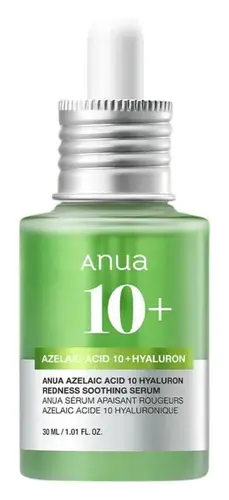
What's inside
What's inside
 Key Ingredients
Benefits
Concerns
Ingredients Side-by-side
Hydrogenated Polydecene
EmollientHydrogenated Polyisobutene
EmollientRicinus Communis Seed Oil
Masking




Ethylene/Propylene Copolymer
Abrasive
Ethylhexyl Olivate
Skin Conditioning
Polyglyceryl-4 Diisostearate/Polyhydroxystearate/Sebacate
Emulsifying
Parfum
Masking


Caprylyl Glycol
Emollient
Diisostearyl Malate
EmollientArgania Spinosa Kernel Oil
Emollient



Octyldodecyl Stearoyl Stearate
Emollient
Ethylhexylglycerin
Skin ConditioningPersea Gratissima Oil
Skin Conditioning
CI 77891
Cosmetic Colorant1,2-Hexanediol
Skin Conditioning
CI 77007
Cosmetic ColorantCI 77491
Cosmetic ColorantHydrolyzed Hyaluronic Acid
Humectant


Hydrogenated Polydecene, Hydrogenated Polyisobutene, Ricinus Communis Seed Oil, Ethylene/Propylene Copolymer, Ethylhexyl Olivate, Polyglyceryl-4 Diisostearate/Polyhydroxystearate/Sebacate, Parfum, Caprylyl Glycol, Diisostearyl Malate, Argania Spinosa Kernel Oil, Octyldodecyl Stearoyl Stearate, Ethylhexylglycerin, Persea Gratissima Oil, CI 77891, 1,2-Hexanediol, CI 77007, CI 77491, Hydrolyzed Hyaluronic Acid
Water
Skin ConditioningCyclopentasiloxane
Emollient
Trimethylsiloxysilicate
Emollient
Alcohol Denat.
Antimicrobial

Methyl Methacrylate Crosspolymer
PEG-10 Dimethicone
Skin Conditioning
Synthetic Fluorphlogopite
Butylene Glycol
Humectant
Caprylyl Methicone
Skin Conditioning
Cetyl Ethylhexanoate
EmollientPentylene Glycol
Skin Conditioning
Triethylhexanoin
MaskingDisteardimonium Hectorite
StabilisingGlycerin
Humectant
Aluminum Starch Octenylsuccinate
Absorbent
Diphenylsiloxy Phenyl Trimethicone
Skin Conditioning
Lauryl PEG-8 Dimethicone
Surfactant
Silica
Abrasive
Magnesium Sulfate
Tribehenin
Emollient
Phenoxyethanol
Preservative
Vinyldimethicone
PEG-Crosspolymer
CI 77891
Cosmetic ColorantTriethoxycaprylylsilane
Ethylhexylglycerin
Skin ConditioningParfum
Masking
Aluminum Hydroxide
EmollientStearic Acid
Cleansing
Disodium EDTA
ChelatingEthylhexyl Palmitate
Emollient
Sodium PCA
Humectant
Magnesium PCA
Humectant
Zinc PCA
Humectant


Silica Dimethyl Silylate
EmollientCaprylyl Glycol
Emollient
Manganese PCA
HumectantPotassium Sorbate
Preservative
Sodium Hyaluronate
Humectant
Hexylene Glycol
EmulsifyingGossypium Herbaceum Seed Extract
Skin ConditioningWater, Cyclopentasiloxane, Trimethylsiloxysilicate, Alcohol Denat., Methyl Methacrylate Crosspolymer, PEG-10 Dimethicone, Synthetic Fluorphlogopite, Butylene Glycol, Caprylyl Methicone, Cetyl Ethylhexanoate, Pentylene Glycol, Triethylhexanoin, Disteardimonium Hectorite, Glycerin, Aluminum Starch Octenylsuccinate, Diphenylsiloxy Phenyl Trimethicone, Lauryl PEG-8 Dimethicone, Silica, Magnesium Sulfate, Tribehenin, Phenoxyethanol, Vinyldimethicone, PEG-Crosspolymer, CI 77891, Triethoxycaprylylsilane, Ethylhexylglycerin, Parfum, Aluminum Hydroxide, Stearic Acid, Disodium EDTA, Ethylhexyl Palmitate, Sodium PCA, Magnesium PCA, Zinc PCA, Silica Dimethyl Silylate, Caprylyl Glycol, Manganese PCA, Potassium Sorbate, Sodium Hyaluronate, Hexylene Glycol, Gossypium Herbaceum Seed Extract
Reviews
Ingredients Explained
These ingredients are found in both products.
Ingredients higher up in an ingredient list are typically present in a larger amount.
Caprylyl Glycol is a humectant, skin conditioner, emollient, and preservative booster derived from either caprylic acid or synthetically created.
Typical use levels vary from 0.3-1% as a preservative booster and go up to 2% to condition skin.
Because it is not a free-fatty acid, this ingredient is fungal acne safe (there's nothing for Malassezia to feed on).
Learn more about Caprylyl GlycolCi 77891 is a white pigment from Titanium dioxide. It is naturally found in minerals such as rutile and ilmenite.
It's main function is to add a white color to cosmetics. It can also be mixed with other colors to create different shades.
Ci 77891 is commonly found in sunscreens due to its ability to block UV rays.
Learn more about CI 77891Ethylhexylglycerin is created from glycerin. It is a multitasker ingredient that:
The CIR Expert Panel found minimal skin absorption or sensitization of any kind in a safety assessment. Though this ingredient is considered well-tolerated, a small number of cases of allergic dermatitis have been published since 2002. Just be sure to patch test if you are unsure.
Industry-reported use ranges from 8% in rinse-off products and 2% in leave-on formulations.
Learn more about EthylhexylglycerinParfum is a catch-all term for an ingredient or more that is used to give a scent to products.
Also called "fragrance", this ingredient can be a blend of hundreds of chemicals or plant oils. This means every product with "fragrance" or "parfum" in the ingredients list is a different mixture.
For instance, Habanolide is a proprietary trade name for a specific aroma chemical. When used as a fragrance ingredient in cosmetics, most aroma chemicals fall under the broad labeling category of “FRAGRANCE” or “PARFUM” according to EU and US regulations.
The term 'parfum' or 'fragrance' is not regulated in many countries. In many cases, it is up to the brand to define this term.
For instance, many brands choose to label themselves as "fragrance-free" because they are not using synthetic fragrances. However, their products may still contain ingredients such as essential oils that are considered a fragrance by INCI standards.
One example is Calendula flower extract. Calendula is an essential oil that still imparts a scent or 'fragrance'.
Depending on the blend, the ingredients in the mixture can cause allergies and sensitivities on the skin. Some ingredients that are known EU allergens include linalool and citronellol.
Parfum can also be used to mask or cover an unpleasant scent.
The bottom line is: not all fragrances/parfum/ingredients are created equally. If you are worried about fragrances, we recommend taking a closer look at an ingredient. And of course, we always recommend speaking with a professional.
Learn more about Parfum