

What's inside
What's inside
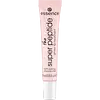 Key Ingredients
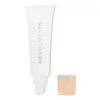
Benefits
Concerns
Ingredients Side-by-side
Bis-Diglyceryl Polyacyladipate-2
Emollient

Polybutene
Butyrospermum Parkii Butter
Skin Conditioning

Dimer Dilinoleyl Dimer Dilinoleate
Emollient
Pentaerythrityl Tetraisostearate
Emollient
Sorbitan Olivate
Emulsifying
Synthetic Wax
Abrasive
Ethylhexyl Palmitate
Emollient
Tocopheryl Acetate
Antioxidant

Bisabolol
Masking



Helianthus Annuus Seed Oil
Emollient
Tocopherol
Antioxidant

Tribehenin
Emollient
Sorbitan Isostearate
Emulsifying
Ethylhexylglycerin
Skin ConditioningPalmitoyl Tripeptide-1
Skin Conditioning
Beta-Sitosterol
Emulsion Stabilising
Squalene
Emollient
Phenoxyethanol
Preservative
Aroma
Bis-Diglyceryl Polyacyladipate-2, Polybutene, Butyrospermum Parkii Butter, Dimer Dilinoleyl Dimer Dilinoleate, Pentaerythrityl Tetraisostearate, Sorbitan Olivate, Synthetic Wax, Ethylhexyl Palmitate, Tocopheryl Acetate, Bisabolol, Helianthus Annuus Seed Oil, Tocopherol, Tribehenin, Sorbitan Isostearate, Ethylhexylglycerin, Palmitoyl Tripeptide-1, Beta-Sitosterol, Squalene, Phenoxyethanol, Aroma
Hydrogenated Polyisobutene
EmollientPolyisobutene
Diisostearyl Malate
EmollientBis-Behenyl/Isostearyl/Phytosteryl Dimer Dilinoleyl Dimer Dilinoleate
EmollientHydrogenated Styrene/Isoprene Copolymer
Cera Microcristallina
Emulsion Stabilising
Ethylene/Propylene/Styrene Copolymer
Aroma
Synthetic Fluorphlogopite
Pentaerythrityl Tetra-Di-T-Butyl Hydroxyhydrocinnamate
Antioxidant
Prunus Avium Seed Oil
Emollient
Tocopheryl Acetate
Antioxidant
Persea Gratissima Oil
Skin Conditioning
Squalane
Emollient
Helianthus Annuus Seed Oil
Emollient
Ethylhexyl Palmitate
Emollient
Butylene/Ethylene/Styrene Copolymer
Tribehenin
Emollient
Tocopherol
Antioxidant
Sorbitan Isostearate
Emulsifying
Tin Oxide
Abrasive
Lactic Acid
Buffering






Anthemis Nobilis Flower Extract
Masking
Palmitoyl Tripeptide-1
Skin Conditioning
Citral
Perfuming

Linalool
Perfuming
Limonene
Perfuming
CI 77891
Cosmetic ColorantHydrogenated Polyisobutene, Polyisobutene, Diisostearyl Malate, Bis-Behenyl/Isostearyl/Phytosteryl Dimer Dilinoleyl Dimer Dilinoleate, Hydrogenated Styrene/Isoprene Copolymer, Cera Microcristallina, Ethylene/Propylene/Styrene Copolymer, Aroma, Synthetic Fluorphlogopite, Pentaerythrityl Tetra-Di-T-Butyl Hydroxyhydrocinnamate, Prunus Avium Seed Oil, Tocopheryl Acetate, Persea Gratissima Oil, Squalane, Helianthus Annuus Seed Oil, Ethylhexyl Palmitate, Butylene/Ethylene/Styrene Copolymer, Tribehenin, Tocopherol, Sorbitan Isostearate, Tin Oxide, Lactic Acid, Anthemis Nobilis Flower Extract, Palmitoyl Tripeptide-1, Citral, Linalool, Limonene, CI 77891
Ingredients Explained
These ingredients are found in both products.
Ingredients higher up in an ingredient list are typically present in a larger amount.
Aroma refers to an ingredient, or mixture of ingredients, that impart or mask a flavor.
The name is slightly confusing. This is because INCI associates aroma with flavor instead of smell.
Here is the official definition from the The International Cosmetic Ingredient Dictionary and Handbook:
“Aroma is a term for ingredient labeling used to identify that a product contains a material or combination of materials normally added to a cosmetic to produce or to mask a particular flavor.”
INCI shows the only purpose of aroma to be "flavouring".
However, due to regulation differences, some companies may use aroma in place of parfum.
In Canada, this ingredient only has to be listed in concentrations above 1%.
Learn more about AromaEthylhexyl Palmitate, also known as octyl palmitate, is created from 2-ethylhexyl alcohol and palmitic acid. It is a fatty acid ester.
The fatty acid content of Ethylhexyl Palmitate makes it an emollient. Emollients help soften and hydrate your skin by trapping moisture within.
Ethylhexyl Palmitate is also used to help improve the texture of cosmetics. It helps other ingredient dissolve in products and help disperse ingredients more evenly.
You'll likely find this ingredient in sunscreen, as it is often used to mix UV-blocking ingredients such as avobenzone and ethylhexyl triazone.
It can also help stabilize the fragrances in a product as a fragrance fixative.
Ethylhexyl Palmitate can be used to substitute mineral oil.
Due to its high fatty acid content, it may not be fungal-acne safe.
Learn more about Ethylhexyl PalmitateHelianthus Annuus Seed Oil is the oil derived from the seeds of a Sunflower. Sunflower seed oil is non-fragrant. It is an emollient, meaning it helps to soften the skin.
Sunflower seed oil contains many fatty acids. The fatty acids found in sunflower seeds include (from highest amount to least): linoleic acid, myristic acid, palmitic acid, stearic acid, arachidic acid, oleic acid, and linolenic acid.
These fatty acids help the skin create ceramides. Ceramides play a role in repairing the skin barrier.
Helianthus Annuus Seed Oil helps moisturize the skin. This in turn helps the skin look more rejuvenated and smoother.
Sunflowers are rich in vitamin E.
Historians believe Indigenous cultures of North America domesticated sunflowers before corn. Thus they relied on sunflower oil for a variety of uses. One such use is moisturizing skin and hair.
Sunflower seed oil may not be fungal acne safe. We recommend speaking with a professional if you have any concerns.
Learn more about Helianthus Annuus Seed OilPalmitoyl Tripeptide-1 is also known as pal-GHK. It is made up of 3 amino acids and palmitic acid, a fatty acid that helps it absorb into skin more easily.
This peptide is as a signal peptide, meaning it tells the skin to produce more collagen. Collagen is the key protein that helps form the skin's structure and keep it plump, firm, and hydrated.
By boosting collagen production, this ingredient supports a stronger skin barrier and helps reduce the appearance of wrinkles.
You'll most likely see this ingredient paired with Palmitoyl Tetrapeptide-7 in the well-known Matrixyl 3000 complex. While results from in-house testing should be viewed cautiously, this peptide duo is among the most studied and widely used in modern skincare.
Due to its palmitic acid base, this ingredient may not be safe for Malassezia folliculitis.
Read more about other common types of peptides here:
Learn more about Palmitoyl Tripeptide-1Sorbitan Isostearate is an emulsifer and cleaning agent. It is created from isostearic acid and sorbitol.
As an emulsifier, Sorbitan Isostearate prevents oils and water from separating.
Due to its isostearic acid base, it may not be safe for Malassezia or fungal acne.
Learn more about Sorbitan IsostearateTocopherol (also known as Vitamin E) is a common antioxidant used to help protect the skin from free-radicals and strengthen the skin barrier. It's also fat soluble - this means our skin is great at absorbing it.
Vitamin E also helps keep your natural skin lipids healthy. Your lipid skin barrier naturally consists of lipids, ceramides, and fatty acids. Vitamin E offers extra protection for your skin’s lipid barrier, keeping your skin healthy and nourished.
Another benefit is a bit of UV protection. Vitamin E helps reduce the damage caused by UVB rays. (It should not replace your sunscreen). Combining it with Vitamin C can decrease sunburned cells and hyperpigmentation after UV exposure.
You might have noticed Vitamin E + C often paired together. This is because it is great at stabilizing Vitamin C. Using the two together helps increase the effectiveness of both ingredients.
There are often claims that Vitamin E can reduce/prevent scarring, but these claims haven't been confirmed by scientific research.
Learn more about TocopherolTocopheryl Acetate is AKA Vitamin E. It is an antioxidant and protects your skin from free radicals. Free radicals damage the skin by breaking down collagen.
One study found using Tocopheryl Acetate with Vitamin C decreased the number of sunburned cells.
Tocopheryl Acetate is commonly found in both skincare and dietary supplements.
Learn more about Tocopheryl AcetateTribehenin comes from glycerin and behenic acid.
It is used as an emollient, or moisturizer. Emollients form a thin barrier on skin to prevent moisture from escaping.
This ingredient may not be Malassezia folliculitis, or fungal-acne safe.
Learn more about Tribehenin
