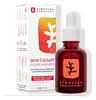
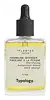
Erborian Skin Therapy Multi-Perfecting Bi-Phase Night Oil-Serum Versus Typology Purifying Night Serum Botanical Blend With Peony
This smoothing oil is formulated around Gluconolactone and Squalane to refine skin texture and brighten dull-looking skin.
This oil-control serum is formulated around Melaleuca Alternifolia Leaf Oil and Simmondsia Chinensis Seed Oil to balance excess oil and clear breakouts.


What's inside
What's inside
 Key Ingredients
Benefits
Concerns
Ingredients Side-by-side
Water
Skin ConditioningGlycerin
Humectant


Caprylic/Capric Triglyceride
Masking
Gluconolactone
Chelating






Helianthus Annuus Seed Oil
Emollient


Squalane
Emollient
Coco-Caprylate/Caprate
Emollient
Propanediol
Solvent
Dicaprylyl Carbonate
EmollientButylene Glycol
Humectant
Arginine
Masking
Phyllostachys Bambusoides Extract
Skin Conditioning1,2-Hexanediol
Skin Conditioning
Citrus Junos Fruit Extract
Skin ConditioningSodium Citrate
BufferingSodium Chloride
MaskingBetaine
Humectant
Zinc PCA
Humectant

Avena Sativa Kernel Oil
Skin Conditioning
Panax Ginseng Root Extract
Emollient
Ophiopogon Japonicus Root Extract
Skin ConditioningPolygonatum Officinale Rhizome/Root Extract
Skin ConditioningScrophularia Nodosa Extract
Skin ConditioningPhyllostachys Bambusoides Juice
Skin ConditioningCentella Asiatica Extract
Cleansing
Glycine Soja Oil
Emollient



Glycyrrhiza Glabra Root Extract
Bleaching
Capsicum Annuum Fruit Extract
Antimicrobial
Dioscorea Villosa Root Extract
Skin Conditioning
Polygonum Cuspidatum Root Extract
Antioxidant
Kigelia Africana Fruit Extract
Skin ConditioningScutellaria Baicalensis Root Extract
Astringent
Equisetum Giganteum Extract
Skin ConditioningRosmarinus Officinalis Leaf Extract
AntimicrobialCamellia Sinensis Leaf Extract
Antimicrobial
Chamomilla Recutita Flower Extract
Masking
Lactobacillus Ferment
Skin Conditioning
Sodium Hyaluronate
Humectant
Pentylene Glycol
Skin Conditioning
Tocopherol
Antioxidant
Bisabolol
Antioxidant
Citric Acid
Buffering
Ethylhexylglycerin
Skin ConditioningParfum
Masking


Hexyl Cinnamal
Perfuming
Alpha-Isomethyl Ionone
Perfuming
Linalool
Perfuming
Citronellol
Perfuming
Water, Glycerin, Caprylic/Capric Triglyceride, Gluconolactone, Helianthus Annuus Seed Oil, Squalane, Coco-Caprylate/Caprate, Propanediol, Dicaprylyl Carbonate, Butylene Glycol, Arginine, Phyllostachys Bambusoides Extract, 1,2-Hexanediol, Citrus Junos Fruit Extract, Sodium Citrate, Sodium Chloride, Betaine, Zinc PCA, Avena Sativa Kernel Oil, Panax Ginseng Root Extract, Ophiopogon Japonicus Root Extract, Polygonatum Officinale Rhizome/Root Extract, Scrophularia Nodosa Extract, Phyllostachys Bambusoides Juice, Centella Asiatica Extract, Glycine Soja Oil, Glycyrrhiza Glabra Root Extract, Capsicum Annuum Fruit Extract, Dioscorea Villosa Root Extract, Polygonum Cuspidatum Root Extract, Kigelia Africana Fruit Extract, Scutellaria Baicalensis Root Extract, Equisetum Giganteum Extract, Rosmarinus Officinalis Leaf Extract, Camellia Sinensis Leaf Extract, Chamomilla Recutita Flower Extract, Lactobacillus Ferment, Sodium Hyaluronate, Pentylene Glycol, Tocopherol, Bisabolol, Citric Acid, Ethylhexylglycerin, Parfum, Hexyl Cinnamal, Alpha-Isomethyl Ionone, Linalool, Citronellol
C13-15 Alkane
SolventSimmondsia Chinensis Seed Oil
Emollient
Corylus Avellana Seed Oil
Emollient
Helianthus Annuus Seed Oil
Emollient
Pelargonium Graveolens Flower Oil
Masking
C13-15 Alkane, Simmondsia Chinensis Seed Oil, Corylus Avellana Seed Oil, Helianthus Annuus Seed Oil, Pelargonium Graveolens Flower Oil, Paeonia Lactiflora Leaf Cell Extract, Glycine Soja Oil, Tocopherol, Citronellol, Rosmarinus Officinalis Flower Oil, Melaleuca Alternifolia Leaf Oil, Geraniol, Linalool
Reviews
Ingredients Explained
These ingredients are found in both products.
Ingredients higher up in an ingredient list are typically present in a larger amount.
Citronellol is used to add fragrance/parfum to a product. It is often derived from plants such as roses. In fact, it can be found in many essential oils including geranium, lavender, neroli, and more. The scent of Citronellol is often described as "fresh, grassy, and citrus-like".
Since the Citronellol molecule is already unstable, Citronellol becomes irritating on the skin when exposed to air.
Citronellol is a modified terpene. Terpenes are unsaturated hydrocarbons found in plants. They make up the primary part of essential oils.
Citronellol is not able to be absorbed into deeper layers of the skin. It has low permeability,
Citronellol is also a natural insect repellent.
Learn more about CitronellolGlycine Soja Oil is a plant-derived oil from soybean seeds. Like other oils, it is rich in essential fatty acids (mostly linoleic and oleic) that support skin hydration and barrier function.
The fatty acids are able to integrate into the lipid matrix of the stratum corneum to help soften skin and reduce water loss.
On top of that, soybean oil is rich in vitamins like vitamin E, a potent antioxidant.
Research on soybean's active components also point to anti-inflammatory, collagen-stimulating, antioxidant activity, and protection against UV-induced oxidative damage.
Most of this research applies to the broader soybean plant and not just the oil fraction alone.
This ingredient does carry a comedogenic rating of 3 from the old rabbit-ear assay. Just remember testing finished products in humans showed that formulas built with "comedogenic" ingredients are not necessarily comedogenic themselves. It's worth patch testing if you're breakout prone, and always listen to your skin.
Because this ingredient is a saturated triglyceride, it may not be fungal acne safe. This is because Malassezia breaks down sebum triglycerides into fatty acids it can consume, making this ingredient a possible source for the yeast.
Learn more about Glycine Soja OilHelianthus Annuus Seed Oil is a plant oil derived from the seeds of a sunflower.
It is rich in fatty acids, primarily linoleic acid and oleic acid. This gives it emollient and skin conditioning properties.
The reason this ingredient is so effective is because it forms a thin film on the skin that reduces transepidermal water loss (TEWL) while supplying linoleic acid to the stratum corneum to improve barrier strength.
The high linoleic acid content is particularly noteworthy for acne-prone skin.
Research suggests that acne-prone skin tends to be deficient in linoleic acid in sebum. Topical application may help replenish this to support a healthier follicular environment and less comedone-promoting sebum.
One randomized study found sunflower seed oil preserved skin barrier integrity in adult volunteers with and without atopic dermatitis (outperforming olive oil).
This ingredient is well-studied, gentle, and an effective emollient suitable for most skin types.
On fungal acne: This ingredient may not be Fungal acne (Malassezia folliculitis) safe. This is because it contains fatty acids with carbon chain lengths in the C11-C24 range.
Learn more about Helianthus Annuus Seed OilLinalool is a small, naturally occurring scent molecule found in plants like lavender, coriander, bergamot, and more.
It is one of the two most-used fragrance ingredients in cosmetics and added purely for smell. Since it's not used for a skin benefit, there's no "effective dose". Concentration depends on the fragrance load of the product.
The EU requires it to be named on the label above 0.001% in leave-on and 0.01% in rinse-off products.
Fresh linalool is a weak sensitizer but air exposure turns some of it into hydroperoxides, which are strong sensitizers. Those oxidation products are the actual allergy concern.
Patch-test clinics see positive reactions to linalool hydroperoxides in about 4% to 12% of dermatitis patients depending on country and test concentration.
Resassuringly, one analytical study found hydroperoxide levels in real fragranced products to be orders of magnitude below what induced sensitization in animal studies with no evidence of oxidation building up during normal storage.
The practical takeaway is that linalool is fine for most people but worth avoiding if you have a confirmed fragrance contact allergy or a badly compromised barrier.
Products stored a long time after opening are also the high-risk scenario since that is when oxidation happens.
The scent of linalool is described as floral, spicy tropical, and citrus-like.
Learn more about LinaloolTocopherol is a fat-soluble antioxidant known as Vitamin E.
You'll find this ingredient in the vast majority of skincare (for good reason). It works to neutralize free radicals, or unstable molecules generated by UV exposure, pollution, and other environmental stressors, before they can cause oxidative damage to your skin cells.
Topically applied tocopherol has been shown to protect against UV damage by ramping up the skin's own natural defense enzymes.
It also acts as a skin conditioning agent; some studies show that regular topical use can improve the skin's water-binding capacity over 2-4 weeks.
This ingredient is especially loved for being a team player. When combined with Vitamin C, the photoprotective effect of both ingredients roughly doubles and the combo also helps reduce UV-induced DNA damage.
This ingredient has some brightening potential but it's more of a prevention ingredient than spot-fader. Cell studies show it can slow down melanin production but it's worth noting that it's not the most powerful brightener out there.
In formulations, it also serves as a stabilizer that helps protect other oxidation-prone ingredients from degrading.
Concentrations usually range from 0.1-1% in most leave-on products.
Learn more about Tocopherol

