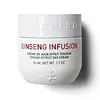
This barrier-repair day moisturizer is formulated around Butyrospermum Parkii Butter and Panax Ginseng Root Extract to strengthen the skin barrier and hydrate skin.
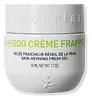
This moisturizer is formulated around Portulaca Oleracea Extract to hydrate skin.

What's inside
What's inside
 Key Ingredients
Benefits
Concerns
Ingredients Side-by-side
Water
Skin ConditioningButyrospermum Parkii Butter
Skin Conditioning






Dimethicone
Emollient

Cyclomethicone
Emollient
Glycerin
Humectant
Cetearyl Alcohol
Emollient

Glyceryl Stearate
Emollient
Octyldodecanol
Emollient
PEG-40 Stearate
Emulsifying
Butylene Glycol
Humectant
Dimethicone/Vinyl Dimethicone Crosspolymer
Skin Conditioning
Panax Ginseng Root Extract
Emollient

Centella Asiatica Extract
Cleansing

Polygonum Cuspidatum Root Extract
Antioxidant
Scutellaria Baicalensis Root Extract
Astringent
Glycyrrhiza Glabra Root Extract
Bleaching

Camellia Sinensis Leaf Extract
Antimicrobial

Dioscorea Villosa Root Extract
Skin Conditioning
Rosmarinus Officinalis Leaf Extract
AntimicrobialChamomilla Recutita Flower Extract
Masking
Zingiber Officinale Extract
Skin ConditioningEquisetum Giganteum Extract
Skin ConditioningKigelia Africana Fruit Extract
Skin ConditioningMel
EmollientHoney Extract
Humectant
Sesamum Indicum Seed Oil
Emollient
Prunus Amygdalus Dulcis Oil
Skin Conditioning
Zea Mays Oil
Emulsifying
Vegetable Oil
Skin Conditioning
Glycine Soja Oil
Emollient
C13-14 Isoparaffin
Emollient
Phenoxyethanol
Preservative
Polyacrylamide
Ammonium Acryloyldimethyltaurate/Vp Copolymer
Disodium EDTA
Mica
Cosmetic ColorantTocopherol
Antioxidant
Laureth-7
EmulsifyingPanthenol
Skin Conditioning
Ethylhexylglycerin
Skin ConditioningT-Butyl Alcohol
Perfuming


Parfum
Masking
Hexyl Cinnamal
Perfuming
Alpha-Isomethyl Ionone
Perfuming
Linalool
Perfuming
Citronellol
Perfuming
Geraniol
Perfuming
Eugenol
Perfuming
Limonene
Perfuming
Cinnamyl Alcohol
Perfuming
CI 77891
Cosmetic ColorantCI 19140
Cosmetic ColorantWater, Butyrospermum Parkii Butter, Dimethicone, Cyclomethicone, Glycerin, Cetearyl Alcohol, Glyceryl Stearate, Octyldodecanol, PEG-40 Stearate, Butylene Glycol, Dimethicone/Vinyl Dimethicone Crosspolymer, Panax Ginseng Root Extract, Centella Asiatica Extract, Polygonum Cuspidatum Root Extract, Scutellaria Baicalensis Root Extract, Glycyrrhiza Glabra Root Extract, Camellia Sinensis Leaf Extract, Dioscorea Villosa Root Extract, Rosmarinus Officinalis Leaf Extract, Chamomilla Recutita Flower Extract, Zingiber Officinale Extract, Equisetum Giganteum Extract, Kigelia Africana Fruit Extract, Mel, Honey Extract, Sesamum Indicum Seed Oil, Prunus Amygdalus Dulcis Oil, Zea Mays Oil, Vegetable Oil, Glycine Soja Oil, C13-14 Isoparaffin, Phenoxyethanol, Polyacrylamide, Ammonium Acryloyldimethyltaurate/Vp Copolymer, Disodium EDTA, Mica, Tocopherol, Laureth-7, Panthenol, Ethylhexylglycerin, T-Butyl Alcohol, Parfum, Hexyl Cinnamal, Alpha-Isomethyl Ionone, Linalool, Citronellol, Geraniol, Eugenol, Limonene, Cinnamyl Alcohol, CI 77891, CI 19140
Water
Skin ConditioningGlycerin
Humectant
Dimethicone
Emollient
Cyclomethicone
Emollient
Phyllostachys Bambusoides Extract
Skin ConditioningPortulaca Oleracea Extract
Skin Conditioning
Ophiopogon Japonicus Root Extract
Skin ConditioningDiospyros Kaki Leaf Extract
Skin Protecting
Phyllostachys Bambusoides Juice
Skin ConditioningDimethicone/Vinyl Dimethicone Crosspolymer
Skin Conditioning
Hydroxyethyl Acrylate/Sodium Acryloyldimethyl Taurate Copolymer
Emulsion StabilisingAmmonium Acryloyldimethyltaurate/Vp Copolymer
1,2-Hexanediol
Skin Conditioning
PEG-10 Dimethicone
Skin Conditioning
Squalane
Emollient
Sodium Polyacrylate Starch
AbsorbentPolysorbate 60
Emulsifying
Butylene Glycol
Humectant
Ethylhexylglycerin
Skin ConditioningDimethiconol
Emollient
T-Butyl Alcohol
Perfuming
Sorbitan Isostearate
Emulsifying
Betaine
Humectant
Sodium Hyaluronate
Humectant
Phenoxyethanol
Preservative
Tocopherol
Antioxidant
Parfum
Masking
Linalool
Perfuming
Geraniol
Perfuming
CI 19140
Cosmetic ColorantCI 42090
Cosmetic ColorantWater, Glycerin, Dimethicone, Cyclomethicone, Phyllostachys Bambusoides Extract, Portulaca Oleracea Extract, Ophiopogon Japonicus Root Extract, Diospyros Kaki Leaf Extract, Phyllostachys Bambusoides Juice, Dimethicone/Vinyl Dimethicone Crosspolymer, Hydroxyethyl Acrylate/Sodium Acryloyldimethyl Taurate Copolymer, Ammonium Acryloyldimethyltaurate/Vp Copolymer, 1,2-Hexanediol, PEG-10 Dimethicone, Squalane, Sodium Polyacrylate Starch, Polysorbate 60, Butylene Glycol, Ethylhexylglycerin, Dimethiconol, T-Butyl Alcohol, Sorbitan Isostearate, Betaine, Sodium Hyaluronate, Phenoxyethanol, Tocopherol, Parfum, Linalool, Geraniol, CI 19140, CI 42090
Ingredients Explained
These ingredients are found in both products.
Ingredients higher up in an ingredient list are typically present in a larger amount.
Ammonium Acryloyldimethyltaurate/Vp Copolymer is a synthetically created polymer. It's used as a film-forming agent and used to thicken the consistency of products.
Think of it as a supportive ingredient that helps your gel-creams feel silky, "cloud cream-like", and spread evenly without being greasy.
The Cosmetic Ingredient Review (CIR) Expert Panel evaluated it (along with 22 other acryloyldimethyltaurate polymers) and concluded it's:
Due to its large molecular size, it sits on the surface of skin rather than penetrating it.
Learn more about Ammonium Acryloyldimethyltaurate/Vp CopolymerButylene Glycol (or BG) is used within cosmetic products for a few different reasons:
Overall, Butylene Glycol is a safe and well-rounded ingredient that works well with other ingredients.
Though this ingredient works well with most skin types, some people with sensitive skin may experience a reaction such as allergic rashes, closed comedones, or itchiness.
Learn more about Butylene GlycolCI 19140 is also known as Tartrazine. Tartrazine is a synthetic dye used in cosmetics, foods, and medicine to add a yellow color.
Tartrazine is created from petroleum and is water-soluble.
Some people may experience allergies from this dye, especially asthmatics and those with an aspirin intolerance.
Learn more about CI 19140Cyclomethicone is a class of silicones used to improve the texture of products.
Their cyclic or circular structure decreases stability. This causes quick evaporation when applied to skin. Cyclomethicones are often used as a carrier for other ingredients. Once it evaporates, it leaves a silky barrier on the skin.
The most popular types of cyclomethicones include D5 and D6.
Learn more about CyclomethiconeDimethicone is a type of synthetic silicone created from natural materials such as quartz. It is also known as polydimethylsiloxane.
What it does:
Dimethicone comes in different viscosities:
Depending on the viscosity, dimethicone has different properties.
Ingredients lists don't always show which type is used, so we recommend reaching out to the brand if you have questions about the viscosity.
This ingredient is unlikely to cause irritation because it does not get absorbed into skin. However, people with silicone allergies should be careful about using this ingredient.
Note: Dimethicone may contribute to pilling. This is because it is not oil or water soluble, so pilling may occur when layered with products. When mixed with heavy oils in a formula, the outcome is also quite greasy.
Learn more about DimethiconeThis ingredient is a silicone elastomer that works as a texture enhancer, adds a silky slip, and also helps absorb excess oil.
Because it's a large macromolecule that's insoluble in water and chemically inert, it's not expected to penetrate or be absorbed into skin.
Human patch tests with a facial lotion containing 1% of this ingredient found no sensitization.
Learn more about Dimethicone/Vinyl Dimethicone CrosspolymerEthylhexylglycerin is created from glycerin. It is a multitasker ingredient that:
The CIR Expert Panel found minimal skin absorption or sensitization of any kind in a safety assessment. Though this ingredient is considered well-tolerated, a small number of cases of allergic dermatitis have been published since 2002. Just be sure to patch test if you are unsure.
Industry-reported use ranges from 8% in rinse-off products and 2% in leave-on formulations.
Learn more about EthylhexylglycerinGeraniol is used to add fragrance/parfum to a product. It is the main component of citronellol. It is a monoterpenoid and an alcohol.
Monoterpenes are naturally found in many parts of different plants.
Geraniol can be found in many essential oils including Rose Oil and Citronella Oil. The scent of Geraniol is often described as "rose-like". Many foods also contain Geraniol for fruit flavoring.
Geraniol can irritate the skin when exposed to air. However, irritation depends on the ability of geraniol to penetrate into the skin. In general, geraniol is not able to penetrate skin easily.
Geraniol is colorless and has low water-solubility. However, it is soluble in common organic solvents.
Like citronellol, it is a natural insect repellent.
2,6-Octadien-1-ol, 3,7-dimethyl-, (2E)-
Learn more about GeraniolGlycerin (or glycerol) is a compound naturally found in your skin. It's a powerhouse humectant that pulls water into the stratum corneum.
Topically, glycerin does several things at once:
Your skin makes glycerin on its own (mostly from sebaceous oil breakdown) and shuttles it to your outermost layer of skin, or your epidermis, via aquaporin-3.
Aquaporin-3 is a transporter that is essential for normal skin hydration, elasticity, and repair. Interestingly, mice lacking in AQP3 have dry and less elastic skin that can be fully corrected with glycerin.
This ingredient is non-irritating, plays well with almost every ingredient, and works across all skin types. Typical use is anywhere between 3-10% but can go up to 79% in some leave-on products.
Just know very high concentrations (>40%) can feel tacky in low humidity.
Glycerin is the name for this ingredient in American English. British English uses Glycerol/Glycerine.
Learn more about GlycerinLinalool is a fragrance and helps add scent to products. It's derived from common plants such as cinnamon, mint, citrus, and lavender.
Like Limonene, this ingredient oxidizes when exposed to air. Oxidized linalool can cause allergies and skin sensitivity.
This ingredient has a scent that is floral, spicy tropical, and citrus-like.
Learn more about LinaloolParfum is a catch-all term for an ingredient or more that is used to give a scent to products.
Also called "fragrance", this ingredient can be a blend of hundreds of chemicals or plant oils. This means every product with "fragrance" or "parfum" in the ingredients list is a different mixture.
For instance, Habanolide is a proprietary trade name for a specific aroma chemical. When used as a fragrance ingredient in cosmetics, most aroma chemicals fall under the broad labeling category of “FRAGRANCE” or “PARFUM” according to EU and US regulations.
The term 'parfum' or 'fragrance' is not regulated in many countries. In many cases, it is up to the brand to define this term.
For instance, many brands choose to label themselves as "fragrance-free" because they are not using synthetic fragrances. However, their products may still contain ingredients such as essential oils that are considered a fragrance by INCI standards.
One example is Calendula flower extract. Calendula is an essential oil that still imparts a scent or 'fragrance'.
Depending on the blend, the ingredients in the mixture can cause allergies and sensitivities on the skin. Some ingredients that are known EU allergens include linalool and citronellol.
Parfum can also be used to mask or cover an unpleasant scent.
The bottom line is: not all fragrances/parfum/ingredients are created equally. If you are worried about fragrances, we recommend taking a closer look at an ingredient. And of course, we always recommend speaking with a professional.
Learn more about ParfumPhenoxyethanol is one of the most widely used preservatives in skincare (and for good reason!).
It has a large spectrum of antimicrobial activity and especially effective bacteria, yeast, and mold while only having a weak effect on your skin's natural microbiome.
On a cellular level, it disrupts the cell membranes of microbes by poking holes that make the cell leak. This shuts down the chemical reactions the microbe needs to make energy so it can no longer survive.
Another perk of this ingredient is that it stays functional across a wide pH range (3-10).
You'll often see it paired with boosters like Ethylhexylglycerin; one study showed that a 1:9 ratio of Ethylhexylglycerin to Phenoxyethanol damages bacterial membranes as effectively as doubling the Phenoxyethanol concentration on its own.
Typical use concentrations range from 0.3-1% depending on the formula, and this ingredient is capped at 1% int the EU.
Safety-wise, the fear mongering does not hold up to the evidence. The EU's Scientific Committee on Consumer Safety and FDA consider it safe as a preservative at up to 1%, including for children of all ages.
Adverse systemic effects only showed up in animal studies at exposures roughly 200x higher than what people get from cosmetics. And despite its very widespread use, this ingredient is a rare sensitizer and allergic reactions are uncommon.
Learn more about PhenoxyethanolT-Butyl Alcohol (aka tert-butanol) is a small, clear, camphor-smelling alcohol.
It has two main jobs:
On the safety side, it's well-studied and has a solid track record. Human repeat-insult patch testing showed no skin irritation or sensitization even at 100%.
Typical use levels are pretty tiny, usually less than 1%.
You might see some fear-mongering around this ingredient:
Studies in male rats showed kidney effects but that's because of a rat-specific protein that humans don't make. So this study isn't really relevant to humans.
Though it's not a typical fragrance like parfum, it does have a natural scent. That's why the official COSIng database lists it as 'perfuming' ingredient. It can be used to modify the scent of a formula.
Learn more about T-Butyl AlcoholTocopherol is a fat-soluble antioxidant known as Vitamin E.
You'll find this ingredient in the vast majority of skincare (for good reason). It works to neutralize free radicals, or unstable molecules generated by UV exposure, pollution, and other environmental stressors, before they can cause oxidative damage to your skin cells.
Topically applied tocopherol has been shown to protect against UV damage by ramping up the skin's own natural defense enzymes.
It also acts as a skin conditioning agent; some studies show that regular topical use can improve the skin's water-binding capacity over 2-4 weeks.
This ingredient is especially loved for being a team player. When combined with Vitamin C, the photoprotective effect of both ingredients roughly doubles and the combo also helps reduce UV-induced DNA damage.
This ingredient has some brightening potential but it's more of a prevention ingredient than spot-fader. Cell studies show it can slow down melanin production but it's worth noting that it's not the most powerful brightener out there.
In formulations, it also serves as a stabilizer that helps protect other oxidation-prone ingredients from degrading.
Concentrations usually range from 0.1-1% in most leave-on products.
Learn more about TocopherolWater. It's the most common cosmetic ingredient of all. You'll usually see it at the top of ingredient lists, meaning that it makes up the largest part of the product.
So why is it so popular? Water most often acts as a solvent - this means that it helps dissolve other ingredients into the formulation.
You'll also recognize water as that liquid we all need to stay alive. If you see this, drink a glass of water. Remember to stay hydrated!
Learn more about Water

