

What's inside
What's inside
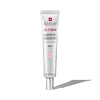 Key Ingredients
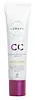
Benefits
Concerns
Ingredients Side-by-side
Water
Skin ConditioningDibutyl Adipate
EmollientButyloctyl Salicylate
Skin Conditioning

Ethylhexyl Salicylate
UV Absorber
Glycerin
Humectant


Zinc Oxide
Cosmetic Colorant
Cetyl PEG/PPG-10/1 Dimethicone
Emulsifying
C12-15 Alkyl Benzoate
AntimicrobialDipropylene Glycol
HumectantVinyl Dimethicone/Methicone Silsesquioxane Crosspolymer
CI 77891
Cosmetic ColorantBis-Ethylhexyloxyphenol Methoxyphenyl Triazine
Skin Conditioning
Dimethicone
Emollient
Lauryl PEG-10 Tris(Trimethylsiloxy)Silylethyl Dimethicone
Emulsifying
Magnesium Sulfate
Disteardimonium Hectorite
StabilisingEthylhexyl Triazone
UV Absorber
Pentylene Glycol
Skin Conditioning
Centella Asiatica Leaf Extract
Skin Conditioning


Sodium Hyaluronate
Humectant
Bisabolol
Antioxidant
Butylene Glycol
Humectant
Trihydroxystearin
Skin Conditioning

Dimethicone/Vinyl Dimethicone Crosspolymer
Skin Conditioning
Silica
Abrasive

Mica
Cosmetic ColorantTriethoxycaprylylsilane
Glyceryl Caprylate
EmollientAluminum Hydroxide
EmollientPolyester-1
Silica Dimethyl Silylate
EmollientPropylene Glycol
Humectant
Pentaerythrityl Tetra-Di-T-Butyl Hydroxyhydrocinnamate
Antioxidant
Tocopherol
Antioxidant


Ethylhexylglycerin
Skin ConditioningParfum
Masking


Hexyl Cinnamal
Perfuming
Alpha-Isomethyl Ionone
Perfuming
Linalool
Perfuming
Citronellol
Perfuming
Geraniol
Perfuming
CI 77491
Cosmetic ColorantCI 77492
Cosmetic ColorantCI 77499
Cosmetic ColorantWater, Dibutyl Adipate, Butyloctyl Salicylate, Ethylhexyl Salicylate, Glycerin, Zinc Oxide, Cetyl PEG/PPG-10/1 Dimethicone, C12-15 Alkyl Benzoate, Dipropylene Glycol, Vinyl Dimethicone/Methicone Silsesquioxane Crosspolymer, CI 77891, Bis-Ethylhexyloxyphenol Methoxyphenyl Triazine, Dimethicone, Lauryl PEG-10 Tris(Trimethylsiloxy)Silylethyl Dimethicone, Magnesium Sulfate, Disteardimonium Hectorite, Ethylhexyl Triazone, Pentylene Glycol, Centella Asiatica Leaf Extract, Sodium Hyaluronate, Bisabolol, Butylene Glycol, Trihydroxystearin, Dimethicone/Vinyl Dimethicone Crosspolymer, Silica, Mica, Triethoxycaprylylsilane, Glyceryl Caprylate, Aluminum Hydroxide, Polyester-1, Silica Dimethyl Silylate, Propylene Glycol, Pentaerythrityl Tetra-Di-T-Butyl Hydroxyhydrocinnamate, Tocopherol, Ethylhexylglycerin, Parfum, Hexyl Cinnamal, Alpha-Isomethyl Ionone, Linalool, Citronellol, Geraniol, CI 77491, CI 77492, CI 77499
Water
Skin ConditioningDibutyl Adipate
EmollientDimethicone
Emollient
C9-12 Alkane
SolventC13-15 Alkane
SolventDiisopropyl Sebacate
EmollientGlycerin
Humectant
Lauryl PEG-10 Tris(Trimethylsiloxy)Silylethyl Dimethicone
Emulsifying
Octyldodecanol
Emollient
Ethylhexyl Triazone
UV Absorber
Magnesium Sulfate
Phenylbenzimidazole Sulfonic Acid
UV Absorber
Diethylamino Hydroxybenzoyl Hexyl Benzoate
UV Filter
Polyglyceryl-4 Isostearate
Emulsifying
Cetyl PEG/PPG-10/1 Dimethicone
Emulsifying
Hexyl Laurate
Emollient
Mica
Cosmetic ColorantCetearyl Dimethicone Crosspolymer
Butylene Glycol
Humectant
Vaccinium Vitis-Idaea Seed Oil
Antioxidant
Phenoxyethanol
Preservative
Tromethamine
BufferingSaccharomyces Ferment
Skin Conditioning
Disteardimonium Hectorite
StabilisingHydroxyacetophenone
Antioxidant
Silica
Abrasive
Triethyl Citrate
Masking
Aluminum Hydroxide
EmollientEthylhexylglycerin
Skin ConditioningDisodium EDTA
Hydrolyzed Hyaluronic Acid
Humectant
Pentaerythrityl Tetra-Di-T-Butyl Hydroxyhydrocinnamate
Antioxidant
Sodium Lauroyl Glutamate
SurfactantLauroyl Lysine
Skin Conditioning
Lysine
Skin ConditioningMagnesium Chloride
Helianthus Annuus Seed Oil
Emollient
Rosmarinus Officinalis Leaf Extract
AntimicrobialTetramethyl Acetyloctahydronaphthalenes
Masking
Parfum
Masking
Iron Oxides
CI 77891
Cosmetic ColorantWater, Dibutyl Adipate, Dimethicone, C9-12 Alkane, C13-15 Alkane, Diisopropyl Sebacate, Glycerin, Lauryl PEG-10 Tris(Trimethylsiloxy)Silylethyl Dimethicone, Octyldodecanol, Ethylhexyl Triazone, Magnesium Sulfate, Phenylbenzimidazole Sulfonic Acid, Diethylamino Hydroxybenzoyl Hexyl Benzoate, Polyglyceryl-4 Isostearate, Cetyl PEG/PPG-10/1 Dimethicone, Hexyl Laurate, Mica, Cetearyl Dimethicone Crosspolymer, Butylene Glycol, Vaccinium Vitis-Idaea Seed Oil, Phenoxyethanol, Tromethamine, Saccharomyces Ferment, Disteardimonium Hectorite, Hydroxyacetophenone, Silica, Triethyl Citrate, Aluminum Hydroxide, Ethylhexylglycerin, Disodium EDTA, Hydrolyzed Hyaluronic Acid, Pentaerythrityl Tetra-Di-T-Butyl Hydroxyhydrocinnamate, Sodium Lauroyl Glutamate, Lauroyl Lysine, Lysine, Magnesium Chloride, Helianthus Annuus Seed Oil, Rosmarinus Officinalis Leaf Extract, Tetramethyl Acetyloctahydronaphthalenes, Parfum, Iron Oxides, CI 77891
Reviews
Ingredients Explained
These ingredients are found in both products.
Ingredients higher up in an ingredient list are typically present in a larger amount.
Aluminum Hydroxide is a form of aluminum. It can be naturally found in nature as the mineral gibbsite. In cosmetics, Aluminum Hydroxide is used as a colorant, pH adjuster, and absorbent.
As a colorant, Aluminum Hydroxide may add opacity, or reduce the transparency. Aluminum hydroxide is contains both basic and acidic properties.
According to manufacturers, this ingredient is an emollient and humectant. This means it helps hydrate the skin.
In medicine, this ingredient is used to help relieve heartburn and help heal ulcers.
There is currently no credible scientific evidence linking aluminum hydroxide in cosmetics to increased cancer risk.
Major health organizations allow the use of aluminum hydroxide in personal care products and have not flagged it as a carcinogenic risk at typical usage levels.
Learn more about Aluminum HydroxideButylene Glycol (or BG) is used within cosmetic products for a few different reasons:
Overall, Butylene Glycol is a safe and well-rounded ingredient that works well with other ingredients.
Though this ingredient works well with most skin types, some people with sensitive skin may experience a reaction such as allergic rashes, closed comedones, or itchiness.
Learn more about Butylene GlycolThis ingredient is a silicone-based emulsifer that helps the water and oil phases play nicely together.
It's pretty effective because one end of the molecule loves oil and the other one loves water.
Besides holding formulas together, it also leaves a silky and lightweight feel on skin without the greasiness. A manufacturer also claims it can help with the controlled release of active ingredients.
The CIR Expert Panel found this ingredient to not be sensitizing in concentrations up to 15% in human maximazation testing and dimethicone-based compounds were not comedogenic.
It has a high molecular weight well above 1,000 g/mol which means it limits meaningful skin penetration.
A 2019 study specifically tested this ingredient and found no observable Malassezia growth in its presence.
Learn more about Cetyl PEG/PPG-10/1 DimethiconeCi 77891 is a white pigment from Titanium dioxide. It is naturally found in minerals such as rutile and ilmenite.
It's main function is to add a white color to cosmetics. It can also be mixed with other colors to create different shades.
Ci 77891 is commonly found in sunscreens due to its ability to block UV rays.
Learn more about CI 77891Dibutyl Adipate is a lightweight, oil-soluble ester that acts as an emollient and solvent. It helps products spread more easily and leaves a soft, silky, dry-touch finish without being greasy.
You'll likely see this ingredient in sunscreens because it does a nice job dissolving UV filters and keeping them evenly distributed.
This ingredient has been found to be safe as used in cosmetics, wasn't a skin or eye irritant in clinical patch testing, and wasn't phototoxic.
In a clinical comedogenicity test, this ingredient tested negative so it isn't likely to clog pores.
Typical use levels are about 5-8% for sunscreens + nail products, but can range from 0.005%-8% depending on the product.
Learn more about Dibutyl AdipateDimethicone is a type of synthetic silicone created from natural materials such as quartz. It is also known as polydimethylsiloxane.
What it does:
Dimethicone comes in different viscosities:
Depending on the viscosity, dimethicone has different properties.
Ingredients lists don't always show which type is used, so we recommend reaching out to the brand if you have questions about the viscosity.
This ingredient is unlikely to cause irritation because it does not get absorbed into skin. However, people with silicone allergies should be careful about using this ingredient.
Note: Dimethicone may contribute to pilling. This is because it is not oil or water soluble, so pilling may occur when layered with products. When mixed with heavy oils in a formula, the outcome is also quite greasy.
Learn more about DimethiconeDisteardimonium Hectorite comes from the clay mineral named hectorite. It is used to add thickness to a product.
It can also help stabilize a product by helping to disperse other ingredients.
Hectorite is a rare, white clay mineral.
Learn more about Disteardimonium HectoriteEthylhexyl Triazone (aka Octyl Triazone) is an oil-soluble organic UVB filter. It has peak absorption around 314 nm, right in the middle of the UVB range.
This ingredient is described as one of the most effective UVB filters available and small concentrations are enough to deliver a high SPF thanks to its strong UV absorbing power.
Formulators love it for its stability; its ability to filter UV stays practically unchanged even under intense radiation and it can also help boost the photostability of less stable filters like avobenzone.
It's also a great pick for water resistant products because it's insoluble in water and has a good affinity for keratin.
Because it's a big, heavy molecule, the European Scientific Committee has found to to have very low dermal penetration and negative results for allergenicity.
In vitro testing also showed a low absorption rate and clean results on irritation.
Typical use levels are 1-5% with 5% being the maximum in the EU, Japan, and other markets that allow it. However, this ingredient is not approved yet in the US or Canada.
Learn more about Ethylhexyl TriazoneEthylhexylglycerin is created from glycerin. It is a multitasker ingredient that:
The CIR Expert Panel found minimal skin absorption or sensitization of any kind in a safety assessment. Though this ingredient is considered well-tolerated, a small number of cases of allergic dermatitis have been published since 2002. Just be sure to patch test if you are unsure.
Industry-reported use ranges from 8% in rinse-off products and 2% in leave-on formulations.
Learn more about EthylhexylglycerinGlycerin (or glycerol) is a compound naturally found in your skin. It's a powerhouse humectant that pulls water into the stratum corneum.
Topically, glycerin does several things at once:
Your skin makes glycerin on its own (mostly from sebaceous oil breakdown) and shuttles it to your outermost layer of skin, or your epidermis, via aquaporin-3.
Aquaporin-3 is a transporter that is essential for normal skin hydration, elasticity, and repair. Interestingly, mice lacking in AQP3 have dry and less elastic skin that can be fully corrected with glycerin.
This ingredient is non-irritating, plays well with almost every ingredient, and works across all skin types. Typical use is anywhere between 3-10% but can go up to 79% in some leave-on products.
Just know very high concentrations (>40%) can feel tacky in low humidity.
Glycerin is the name for this ingredient in American English. British English uses Glycerol/Glycerine.
Learn more about GlycerinLauryl PEG-10 Tris(Trimethylsiloxy)Silylethyl Dimethicone is a type of silicone.
Magnesium Sulfate is a salt. More specifically, it is an epsom salt, or the bath salt used to help relieve muscle aches.
Despite having ‘sulfate’ in the name, it isn’t a surfactant or cleansing agent like sodium lauryl sulfate. Unlike those sulfates, magnesium sulfate doesn’t have the same cleansing or foaming properties (it's simply a type of salt).
In cosmetics, Magnesium Sulfate is used to thicken a product or help dilute other solids. It is a non-reactive and non-irritating ingredient.
One study shows magnesium deficiency may lead to inflammation of the skin. Applying magnesium topically may help reduce inflammation.
You can find this ingredient in sea water or mineral deposits.
Learn more about Magnesium SulfateMica is a naturally occurring mineral used to add shimmer and color in cosmetics. It can also help improve the texture of a product or give it an opaque, white/silver color.
Serecite is the name for very fine but ragged grains of mica.
This ingredient is often coated with metal oxides like titanium dioxide. Trace amounts of heavy metals may be found in mica, but these metals are not harmful in our personal products.
Mica has been used since prehistoric times throughout the world. Ancient Egyptian, Indian, Greek, Roman, Aztec, and Chinese civilizations have used mica.
Learn more about MicaParfum is a catch-all term for an ingredient or more that is used to give a scent to products.
Also called "fragrance", this ingredient can be a blend of hundreds of chemicals or plant oils. This means every product with "fragrance" or "parfum" in the ingredients list is a different mixture.
For instance, Habanolide is a proprietary trade name for a specific aroma chemical. When used as a fragrance ingredient in cosmetics, most aroma chemicals fall under the broad labeling category of “FRAGRANCE” or “PARFUM” according to EU and US regulations.
The term 'parfum' or 'fragrance' is not regulated in many countries. In many cases, it is up to the brand to define this term.
For instance, many brands choose to label themselves as "fragrance-free" because they are not using synthetic fragrances. However, their products may still contain ingredients such as essential oils that are considered a fragrance by INCI standards.
One example is Calendula flower extract. Calendula is an essential oil that still imparts a scent or 'fragrance'.
Depending on the blend, the ingredients in the mixture can cause allergies and sensitivities on the skin. Some ingredients that are known EU allergens include linalool and citronellol.
Parfum can also be used to mask or cover an unpleasant scent.
The bottom line is: not all fragrances/parfum/ingredients are created equally. If you are worried about fragrances, we recommend taking a closer look at an ingredient. And of course, we always recommend speaking with a professional.
Learn more about ParfumPentaerythrityl Tetra-Di-T-Butyl Hydroxyhydrocinnamate (long name, huh?) is a synthetic antioxidant.
It is used to help stabilize other antioxidants or prevent the color from changing in a product.
As an antioxidant, it helps fight free-radical molecules. Free-radical molecules are capable of damaging our cells and other genetic material. Thus, antioxidants may reduce the signs of aging.
This ingredient is oil-soluble.
Learn more about Pentaerythrityl Tetra-Di-T-Butyl HydroxyhydrocinnamateSilica, also known as silicon dioxide, is a naturally occurring mineral. It is used as a fine, spherical, and porous powder in cosmetics.
Though it has exfoliant properties, the function of silica varies depending on the product.
The unique structure of silica enhances the spreadability and adds smoothness, making it a great texture enhancer.
It is also used as an active carrier, emulsifier, and mattifier due to its ability to absorb excess oil.
In some products, tiny microneedles called spicules are made from silica or hydrolyzed sponge. When you rub them in, they lightly polish away dead skin layers and enhance the penetration of active ingredients.
Learn more about SilicaWater. It's the most common cosmetic ingredient of all. You'll usually see it at the top of ingredient lists, meaning that it makes up the largest part of the product.
So why is it so popular? Water most often acts as a solvent - this means that it helps dissolve other ingredients into the formulation.
You'll also recognize water as that liquid we all need to stay alive. If you see this, drink a glass of water. Remember to stay hydrated!
Learn more about Water

