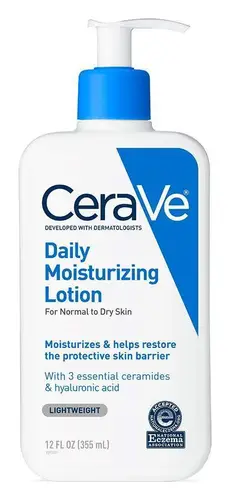
This wash off mask is made with Limnanthes Alba Seed Oil and Petrolatum for a rinse-off hydration boost.
This brightening oil is formulated around Retinyl Palmitate and Helianthus Annuus Seed Oil to fade the look of dark spots and hydrate skin.


What's inside
What's inside
 Key Ingredients
Benefits
Concerns
Ingredients Side-by-side
Water
Skin ConditioningLimnanthes Alba Seed Oil
Skin Conditioning



Petrolatum
Emollient

Butylene Glycol
Humectant
Glycerin
Humectant
Cetearyl Alcohol
Emollient



Butyrospermum Parkii Butter
Skin Conditioning
Laureth-23
Cleansing
Hydrogenated Polyisobutene
EmollientC10-30 Cholesterol/Lanosterol Esters
Emulsifying
Carthamus Tinctorius Seed Oil
Masking
Ceteth-20
CleansingCetearyl Glucoside
Emulsifying
Acrylates/C10-30 Alkyl Acrylate Crosspolymer
Emulsion StabilisingCetyl Esters
Emollient
Citrus Aurantium Dulcis Peel Oil
Masking
Citrus Limon Peel Oil
Masking


Cymbopogon Citratus Leaf/Stem Oil
Masking
Disodium EDTA
ChelatingEthylene Brassylate
MaskingGlyceryl Stearate
Emollient
Lavandula Hybrida Oil
Emollient
Linalool
Perfuming
Linalyl Acetate
Masking
Litsea Cubeba Fruit Oil
Masking
Menthol
Masking
Octanal
Perfuming
Olea Europaea Fruit Oil
Masking
PEG-100 Stearate
Surfactant
Persea Gratissima Oil
Skin Conditioning
Phenoxyethanol
Preservative
Phoenix Dactylifera Fruit Extract
EmollientPhosphatidylcholine
EmulsifyingPhytosterols
Skin Conditioning
PPG-2 Myristyl Ether Propionate
Emollient
Salix Alba Bark Extract
Astringent

Sodium Hyaluronate
Humectant


Triethanolamine
BufferingBlue 1 Lake
Cosmetic ColorantWater, Limnanthes Alba Seed Oil, Petrolatum, Butylene Glycol, Glycerin, Cetearyl Alcohol, Butyrospermum Parkii Butter, Laureth-23, Hydrogenated Polyisobutene, C10-30 Cholesterol/Lanosterol Esters, Carthamus Tinctorius Seed Oil, Ceteth-20, Cetearyl Glucoside, Acrylates/C10-30 Alkyl Acrylate Crosspolymer, Cetyl Esters, Citrus Aurantium Dulcis Peel Oil, Citrus Limon Peel Oil, Cymbopogon Citratus Leaf/Stem Oil, Disodium EDTA, Ethylene Brassylate, Glyceryl Stearate, Lavandula Hybrida Oil, Linalool, Linalyl Acetate, Litsea Cubeba Fruit Oil, Menthol, Octanal, Olea Europaea Fruit Oil, PEG-100 Stearate, Persea Gratissima Oil, Phenoxyethanol, Phoenix Dactylifera Fruit Extract, Phosphatidylcholine, Phytosterols, PPG-2 Myristyl Ether Propionate, Salix Alba Bark Extract, Sodium Hyaluronate, Triethanolamine, Blue 1 Lake
Paraffinum Liquidum
Emollient
Triisononanoin
Skin ConditioningCetearyl Ethylhexanoate
Emollient
Isopropyl Myristate
Emollient
Retinyl Palmitate
Skin Conditioning

Helianthus Annuus Seed Oil
Emollient
Tocopheryl Acetate
Antioxidant

Anthemis Nobilis Flower Oil
Masking
Lavandula Angustifolia Oil
Masking
Rosmarinus Officinalis Leaf Oil
Masking
Calendula Officinalis Extract
Skin Conditioning
Glycine Soja Oil
Emollient
Bisabolol
Antioxidant
Tocopherol
Antioxidant
Parfum
Masking
Alpha-Isomethyl Ionone
Perfuming
Amyl Cinnamal
Perfuming
Benzyl Salicylate
Perfuming
Citronellol
Perfuming
Coumarin
Perfuming
Eugenol
Perfuming
Farnesol
Perfuming
Geraniol
Perfuming
Hydroxycitronellal
Perfuming
Limonene
Perfuming
Linalool
Perfuming
CI 26100
Cosmetic ColorantParaffinum Liquidum, Triisononanoin, Cetearyl Ethylhexanoate, Isopropyl Myristate, Retinyl Palmitate, Helianthus Annuus Seed Oil, Tocopheryl Acetate, Anthemis Nobilis Flower Oil, Lavandula Angustifolia Oil, Rosmarinus Officinalis Leaf Oil, Calendula Officinalis Extract, Glycine Soja Oil, Bisabolol, Tocopherol, Parfum, Alpha-Isomethyl Ionone, Amyl Cinnamal, Benzyl Salicylate, Citronellol, Coumarin, Eugenol, Farnesol, Geraniol, Hydroxycitronellal, Limonene, Linalool, CI 26100
Reviews
Ingredients Explained
These ingredients are found in both products.
Ingredients higher up in an ingredient list are typically present in a larger amount.
Linalool is a small, naturally occurring scent molecule found in plants like lavender, coriander, bergamot, and more.
It is one of the two most-used fragrance ingredients in cosmetics and added purely for smell. Since it's not used for a skin benefit, there's no "effective dose". Concentration depends on the fragrance load of the product.
The EU requires it to be named on the label above 0.001% in leave-on and 0.01% in rinse-off products.
Fresh linalool is a weak sensitizer but air exposure turns some of it into hydroperoxides, which are strong sensitizers. Those oxidation products are the actual allergy concern.
Patch-test clinics see positive reactions to linalool hydroperoxides in about 4% to 12% of dermatitis patients depending on country and test concentration.
Resassuringly, one analytical study found hydroperoxide levels in real fragranced products to be orders of magnitude below what induced sensitization in animal studies with no evidence of oxidation building up during normal storage.
The practical takeaway is that linalool is fine for most people but worth avoiding if you have a confirmed fragrance contact allergy or a badly compromised barrier.
Products stored a long time after opening are also the high-risk scenario since that is when oxidation happens.
The scent of linalool is described as floral, spicy tropical, and citrus-like.
Learn more about Linalool