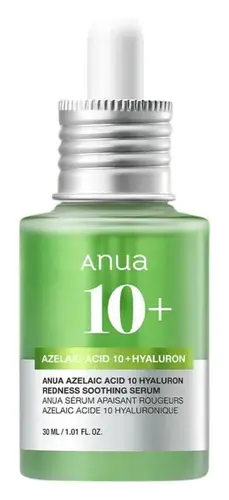
This acne treatment is formulated around Niacinamide and Salicylic Acid to clear breakouts and calm redness.
This acne treatment is formulated around Azelaic Acid to clear breakouts and calm redness.


What's inside
What's inside
 Key Ingredients
Benefits
Concerns
Ingredients Side-by-side
Water
Skin ConditioningPropylene Glycol
Humectant


Cetearyl Alcohol
Emollient




Glycerin
Humectant

Triethylhexanoin
MaskingDimethicone
Emollient
Hydrogenated Polyisobutene
EmollientNiacinamide
Smoothing









Salicylic Acid
Masking



Glyceryl Stearate
Emollient
Cetyl Alcohol
Emollient
Psidium Guajava Fruit Extract
AstringentButylene Glycol
Humectant
Sodium Hydroxide
BufferingMenthol
Masking
Potassium Cetyl Phosphate
EmulsifyingButyrospermum Parkii Butter
Skin Conditioning
PEG-75 Stearate
Surfactant
1,2-Hexanediol
Skin Conditioning
Hydroxyacetophenone
Antioxidant
PEG-100 Stearate
Surfactant
Polyacrylamide
Xanthan Gum
EmulsifyingC13-14 Isoparaffin
Emollient
Acrylates/C10-30 Alkyl Acrylate Crosspolymer
Emulsion StabilisingAllantoin
Skin Conditioning
Ceteth-20
CleansingSteareth-20
CleansingDipotassium Glycyrrhizate
Humectant
Laurocapram
Skin ConditioningPEG-60 Hydrogenated Castor Oil
Emulsifying
Trideceth-12
EmulsifyingO-Cymen-5-Ol
Antimicrobial
Laureth-7
EmulsifyingMelaleuca Alternifolia Leaf Oil
Antioxidant

Phospholipids
Skin Conditioning
Mentha Arvensis Leaf Extract
MaskingChrysanthellum Indicum Extract
Skin Conditioning
Portulaca Oleracea Extract
Skin Conditioning
Pelargonium Graveolens Flower/Leaf/Stem Extract
MaskingAloe Barbadensis Extract
Skin Conditioning
Sophora Angustifolia Root Extract
Skin ConditioningPhellodendron Amurense Bark Extract
Skin ConditioningTocopheryl Acetate
Antioxidant
Azelaic Acid
Buffering
Hydroxyphenyl Propamidobenzoic Acid
Skin ConditioningHydroxypropyl Cyclodextrin
MaskingWater, Propylene Glycol, Cetearyl Alcohol, Glycerin, Triethylhexanoin, Dimethicone, Hydrogenated Polyisobutene, Niacinamide, Salicylic Acid, Glyceryl Stearate, Cetyl Alcohol, Psidium Guajava Fruit Extract, Butylene Glycol, Sodium Hydroxide, Menthol, Potassium Cetyl Phosphate, Butyrospermum Parkii Butter, PEG-75 Stearate, 1,2-Hexanediol, Hydroxyacetophenone, PEG-100 Stearate, Polyacrylamide, Xanthan Gum, C13-14 Isoparaffin, Acrylates/C10-30 Alkyl Acrylate Crosspolymer, Allantoin, Ceteth-20, Steareth-20, Dipotassium Glycyrrhizate, Laurocapram, PEG-60 Hydrogenated Castor Oil, Trideceth-12, O-Cymen-5-Ol, Laureth-7, Melaleuca Alternifolia Leaf Oil, Phospholipids, Mentha Arvensis Leaf Extract, Chrysanthellum Indicum Extract, Portulaca Oleracea Extract, Pelargonium Graveolens Flower/Leaf/Stem Extract, Aloe Barbadensis Extract, Sophora Angustifolia Root Extract, Phellodendron Amurense Bark Extract, Tocopheryl Acetate, Azelaic Acid, Hydroxyphenyl Propamidobenzoic Acid, Hydroxypropyl Cyclodextrin
Water
Skin ConditioningAzelaic Acid
Buffering
Butylene Glycol
Humectant
Methylpropanediol
SolventDimethicone
Emollient
Cetearyl Glucoside
Emulsifying
Dipropylene Glycol
HumectantSorbitan Olivate
Emulsifying
Polyacrylate-6
Squalane
Emollient
Cetyl Alcohol
Emollient
Hydroxypropyl Cyclodextrin
Masking1,2-Hexanediol
Skin Conditioning
Hydroxyacetophenone
Antioxidant
Hydroxyethylpiperazine Ethane Sulfonic Acid
BufferingStearyl Alcohol
Emollient
Allantoin
Skin Conditioning
Cyclodextrin
AbsorbentCapryloyl Glycine
CleansingXanthan Gum
EmulsifyingO-Cymen-5-Ol
Antimicrobial
Madecassoside
Antioxidant
Centella Asiatica Extract
Cleansing
Lavandula Angustifolia Oil
Masking
Saururus Chinensis Leaf/Root Extract
Antimicrobial
Taraxacum Officinale Leaf Extract
Skin ConditioningStephania Tetrandra Root Extract
Skin ConditioningWater, Azelaic Acid, Butylene Glycol, Methylpropanediol, Dimethicone, Cetearyl Glucoside, Dipropylene Glycol, Sorbitan Olivate, Polyacrylate-6, Squalane, Cetyl Alcohol, Hydroxypropyl Cyclodextrin, 1,2-Hexanediol, Hydroxyacetophenone, Hydroxyethylpiperazine Ethane Sulfonic Acid, Stearyl Alcohol, Allantoin, Cyclodextrin, Capryloyl Glycine, Xanthan Gum, O-Cymen-5-Ol, Madecassoside, Centella Asiatica Extract, Lavandula Angustifolia Oil, Saururus Chinensis Leaf/Root Extract, Taraxacum Officinale Leaf Extract, Stephania Tetrandra Root Extract
Reviews
Ingredients Explained
These ingredients are found in both products.
Ingredients higher up in an ingredient list are typically present in a larger amount.
1,2-Hexanediol is a synthetic liquid and another multi-functional powerhouse.
It is a:
- Humectant, drawing moisture into the skin
- Emollient, helping to soften skin
- Solvent, dispersing and stabilizing formulas
- Preservative booster, enhancing the antimicrobial activity of other preservatives
Allantoin is a soothing ingredient known for its protective and moisturizing properties; it's basically a quiet workhorse ingredient you can find in a huge range of cosmetics.
Though it can be derived from the comfrey plant, allantoin is produced synthetically for cosmetic products to ensure purity.
Research shows it can encourage your skin cells to turn over and renew by stimulating keratinocyte and fibroblast proliferation.
It also has mild keratolytic properties to help loosen and shed dead skin cells without being harsh.
Studies also suggest allantoin can help calm inflammation by dialing down some of the chemical signals your skin sends out when it is irritated.
This ingredient is typically used in the 0.1-0.5% range, and the FDA recognizes it as a skin protectant in OTC products up to 2%.
Overall, allantoin is a wonderful addition to most routines; it is stable across a wide pH range (~4-8), works well with other ingredients, and is considered non-sensitizing/non-irritating.
Fun fact: Allantoin is naturally occurring in comfrey root, beets, chamomile, and wheat sprouts. Our bodies even produce it as a byproduct of uric acid metabolism.
Learn more about AllantoinAzelaic acid is a multitasker ingredient that helps treat acne, pigmentation, and irritation. It is a great option for sensitive skin.
What makes it special?
OTC Azelaic acid is usually available in concentrations from 10-15% and anything over requires a prescription.
Here's what each tier does best:
Unlike other acids, azelaic acid will not make your skin more photosensitive/sun sensitive.
Though this ingredient is naturally occurring in grains like wheat, rye, and barley, it is usually synthetically created for cosmetics to ensure stability and effectiveness.
Learn more about Azelaic AcidButylene Glycol (or BG) is used within cosmetic products for a few different reasons:
Overall, Butylene Glycol is a safe and well-rounded ingredient that works well with other ingredients.
Though this ingredient works well with most skin types, some people with sensitive skin may experience a reaction such as allergic rashes, closed comedones, or itchiness.
Learn more about Butylene GlycolCetyl Alcohol is a fatty alcohol. Fatty Alcohols are most often used as an emollient or to thicken a product.
Its main roles are:
Though it has "alcohol" in the name, it is not related to denatured alcohol or ethyl alcohol.
The FDA allows products labeled "alcohol-free" to have fatty alcohols.
This ingredient may not be fungal acne safe. It is a primary fatty alcohol with a chain length above 12 carbons. A study from 2019 show Malassezia can feed on fatty alcohols in this range, so it may trigger fungal acne in those prone to it.
Learn more about Cetyl AlcoholDimethicone is a type of synthetic silicone created from natural materials such as quartz. It is also known as polydimethylsiloxane.
What it does:
Dimethicone comes in different viscosities:
Depending on the viscosity, dimethicone has different properties.
Ingredients lists don't always show which type is used, so we recommend reaching out to the brand if you have questions about the viscosity.
This ingredient is unlikely to cause irritation because it does not get absorbed into skin. However, people with silicone allergies should be careful about using this ingredient.
Note: Dimethicone may contribute to pilling. This is because it is not oil or water soluble, so pilling may occur when layered with products. When mixed with heavy oils in a formula, the outcome is also quite greasy.
Learn more about DimethiconeHydroxyacetophenone is a small phenolic molecule that earns its place in a formulas as an antioxidant and preservative booster.
As a phenol, it is able to neutralize free radicals to protect both the product and the skin from oxidative stress.
Though it can't kill microbes on its own, it works as a good supporting agent when combined with other preservatives like Phenoxyethanol or 1,2-Hexanediol.
This ingredient naturally occurs as piceol in Norwegian spruce needles (~0.4-1.1% dry weight and in cloudberries). Though the cosmetic-grade material is synthesized for purity and consistency.
You'll usually see it used at low levels and suppliers recommend up to 1% added to a water phase.
Safety testing was done at concentrations like 0.05% in SPF products and 0.5% in a Human Repeated Insult Patch Test. The safety evidence is assuring; this ingredient is safe for cosmetics in current use and also holds safety status as a food flavoring as well.
An honest caveat: the "soothing" and "anti-inflammatory" claims come mostly from supplier marketing rather than published clinical trials. The Cosmetic Ingredient Review's own literature search found no useful efficacy studies on this ingredient.
So the antioxidant and preservative-boosting roles are the well supported ones while the calming benefit is plausible but thinly evidenced.
Overall, this is a well-tolerated, low-irritation multitasker that quietly helps a formula stay fresh and stable.
Learn more about HydroxyacetophenoneThis ingredient is used in skincare as a delivery system.
It works by "encapsulating" active ingredients with its unique ring shape that is water-loving on the outside and oil-loving on the inside. This improves the stability and absorption of the product into the skin.
According to a manufacturer, it also offer some moisturizing effects.
Learn more about Hydroxypropyl CyclodextrinThis ingredient is more commonly known as IPMP or Isopropyl Methylphenol. It is a preservative and has antimicrobial properties.
According to the EPA, this ingredient is allowed for use in cleansers, creams, powders, bath products, toothpaste, perfume, and more.
Water. It's the most common cosmetic ingredient of all. You'll usually see it at the top of ingredient lists, meaning that it makes up the largest part of the product.
So why is it so popular? Water most often acts as a solvent - this means that it helps dissolve other ingredients into the formulation.
You'll also recognize water as that liquid we all need to stay alive. If you see this, drink a glass of water. Remember to stay hydrated!
Learn more about WaterXanthan gum is used as a stabilizer and thickener within cosmetic products. It helps give products a sticky, thick feeling - preventing them from being too runny.
On the technical side of things, xanthan gum is a polysaccharide - a combination consisting of multiple sugar molecules bonded together.
Xanthan gum is a pretty common and great ingredient. It is a natural, non-toxic, non-irritating ingredient that is also commonly used in food products.
Learn more about Xanthan Gum