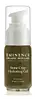
This calming moisturizer is formulated around Aloe Barbadensis Leaf Juice and Arbutin to calm redness and hydrate skin.
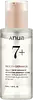
This hydrating serum is formulated around Niacinamide and Oryza Sativa Extract to hydrate skin and strengthen the skin barrier.


What's inside
What's inside
 Key Ingredients
Benefits
Concerns
No concerns
Ingredients Side-by-side
Sempervivum Tectorum Leaf Juice
Skin ConditioningAloe Barbadensis Leaf Juice
Skin Conditioning


Citrus Limon Peel Extract
EmollientArctostaphylos Uva Ursi Leaf Extract
Skin Conditioning
Jasminum Officinale Flower Extract
Masking


Lavandula Angustifolia Flower Extract
Cleansing
Calendula Officinalis Flower Extract
Masking
Oryza Sativa Extract
Absorbent
Camellia Sinensis Leaf Extract
Antimicrobial



Rosmarinus Officinalis Leaf Extract
AntimicrobialGlycine Soja Germ Extract
EmollientGlycerin
Humectant

Caesalpinia Spinosa Gum
Skin ConditioningPropanediol
Solvent
Arbutin
Antioxidant
Magnesium Ascorbyl Phosphate
Antioxidant

Sempervivum Tectorum Extract
Skin ConditioningAlgin
MaskingPanthenol
Skin Conditioning
Benzyl Alcohol
Perfuming



Dehydroacetic Acid
Preservative
Rosmarinus Officinalis Extract
AntimicrobialThymus Vulgaris Extract
Perfuming
Salvia Officinalis Leaf Extract
CleansingLactic Acid
Buffering

Sodium Benzoate
Masking
Potassium Sorbate
Preservative
Xanthan Gum
EmulsifyingCI 75810
Cosmetic ColorantEuterpe Oleracea Fruit Extract
Citrus Limon Peel
MaskingMalpighia Glabra Fruit
Skin ConditioningEmblica Officinalis Fruit
Skin ConditioningAdansonia Digitata Oil
Emollient

Myrciaria Dubia Fruit Extract
Skin ConditioningDaucus Carota Sativa Root Extract
Skin Conditioning
Cocos Nucifera Water
Masking
Lycium Barbarum Fruit Extract
Astringent
Tapioca Starch
Sempervivum Tectorum Leaf Juice, Aloe Barbadensis Leaf Juice, Citrus Limon Peel Extract, Arctostaphylos Uva Ursi Leaf Extract, Jasminum Officinale Flower Extract, Lavandula Angustifolia Flower Extract, Calendula Officinalis Flower Extract, Oryza Sativa Extract, Camellia Sinensis Leaf Extract, Rosmarinus Officinalis Leaf Extract, Glycine Soja Germ Extract, Glycerin, Caesalpinia Spinosa Gum, Propanediol, Arbutin, Magnesium Ascorbyl Phosphate, Sempervivum Tectorum Extract, Algin, Panthenol, Benzyl Alcohol, Dehydroacetic Acid, Rosmarinus Officinalis Extract, Thymus Vulgaris Extract, Salvia Officinalis Leaf Extract, Lactic Acid, Sodium Benzoate, Potassium Sorbate, Xanthan Gum, CI 75810, Euterpe Oleracea Fruit Extract, Citrus Limon Peel, Malpighia Glabra Fruit, Emblica Officinalis Fruit, Adansonia Digitata Oil, Myrciaria Dubia Fruit Extract, Daucus Carota Sativa Root Extract, Cocos Nucifera Water, Lycium Barbarum Fruit Extract, Tapioca Starch
Oryza Sativa Bran Water
Masking
Dipropylene Glycol
HumectantGlycerin
Humectant
Methylpropanediol
SolventWater
Skin ConditioningButylene Glycol
Humectant
Methyl Gluceth-10
EmulsifyingNiacinamide
Smoothing

1,2-Hexanediol
Skin Conditioning
Panthenol
Skin Conditioning
Hydroxyethyl Urea
Humectant
Pentylene Glycol
Skin Conditioning
Sodium Polyacrylate
Absorbent
Oryza Sativa Extract
Absorbent
Caprylic/Capric Triglyceride
Masking
Carbomer
Emulsion StabilisingHydrogenated Lecithin
Emulsifying
Ethylhexylglycerin
Skin ConditioningPolyquaternium-51
Skin Conditioning
Adenosine
Skin Conditioning
Allantoin
Skin Conditioning
Sodium Phytate
ChelatingXanthan Gum
EmulsifyingCeramide NP
Skin Conditioning
Sodium Hyaluronate
Humectant
Alpha-Arbutin
Antioxidant
Angelica Keiskei Extract
Antioxidant
Corchorus Olitorius Leaf Extract
Skin ConditioningDioscorea Japonica Root Extract
Skin Conditioning
Hibiscus Esculentus Fruit Extract
Skin ConditioningNelumbo Nucifera Root Extract
Skin ConditioningBeta-Glucan
Skin Conditioning
Tocopherol
Antioxidant
Defatted Rice Bran Extract
Antioxidant
Arbutin
Antioxidant
Zinc Stearate
Cosmetic ColorantDefatted Rice Bran
Skin ConditioningOryza Sativa Bran
Abrasive
Hydrolyzed Rice Protein
Skin ConditioningOryza Sativa Seed Protein
Antioxidant
Honey Extract
Humectant
Hyaluronic Acid
Humectant
Hydrolyzed Hyaluronic Acid
Humectant
Oryza Sativa Bran Water, Dipropylene Glycol, Glycerin, Methylpropanediol, Water, Butylene Glycol, Methyl Gluceth-10, Niacinamide, 1,2-Hexanediol, Panthenol, Hydroxyethyl Urea, Pentylene Glycol, Sodium Polyacrylate, Oryza Sativa Extract, Caprylic/Capric Triglyceride, Carbomer, Hydrogenated Lecithin, Ethylhexylglycerin, Polyquaternium-51, Adenosine, Allantoin, Sodium Phytate, Xanthan Gum, Ceramide NP, Sodium Hyaluronate, Alpha-Arbutin, Angelica Keiskei Extract, Corchorus Olitorius Leaf Extract, Dioscorea Japonica Root Extract, Hibiscus Esculentus Fruit Extract, Nelumbo Nucifera Root Extract, Beta-Glucan, Tocopherol, Defatted Rice Bran Extract, Arbutin, Zinc Stearate, Defatted Rice Bran, Oryza Sativa Bran, Hydrolyzed Rice Protein, Oryza Sativa Seed Protein, Honey Extract, Hyaluronic Acid, Hydrolyzed Hyaluronic Acid
Reviews
Alternatives
Ingredients Explained
These ingredients are found in both products.
Ingredients higher up in an ingredient list are typically present in a larger amount.
Arbutin is a naturally occurring molecule (found in bearberry, cranberry, and blueberry) that is used in skincare as a gentle brightening agent to fade dark spots, melasma, and post-inflammatory hyperpigmentation.
Chemically, it is a sugar-bound form of hydroquinone.
It works mainly by inhibiting tyrosinase, the enzyme your skin uses to make melanin. This means less new pigment gets produced over time.
There are two forms you'll see on labels: beta-arbutin (listed as just "Arbutin") and alpha-arbutin (the more stable and effective of the two).
The evidence behind this is solid: it's less cytotoxic to melanocytes than hydroquinone and comparably effective with kojic acid for hyperpigmentation.
One human study using a 10% solution reduced UVR-induced hyperpigmentation by 43.5% (jumping to 63.3% when paired with aloesin).
More recent clinical work backs it up too; a 2025 study on a 5% alpha-arbutin + 2% kojic acid cream found it comparable to triple combination prescription formulas but with lower recurrence for melasma.
Typical usage in cosmetics serums land in the 1-2% range.
It's a well-tolerated, non-irritating, and non-photoreactive ingredient that also gives some antioxidant benefits too.
Learn more about ArbutinGlycerin (or glycerol) is a compound naturally found in your skin. It's a powerhouse humectant that pulls water into the stratum corneum.
Topically, glycerin does several things at once:
Your skin makes glycerin on its own (mostly from sebaceous oil breakdown) and shuttles it to your outermost layer of skin, or your epidermis, via aquaporin-3.
Aquaporin-3 is a transporter that is essential for normal skin hydration, elasticity, and repair. Interestingly, mice lacking in AQP3 have dry and less elastic skin that can be fully corrected with glycerin.
This ingredient is non-irritating, plays well with almost every ingredient, and works across all skin types. Typical use is anywhere between 3-10% but can go up to 79% in some leave-on products.
Just know very high concentrations (>40%) can feel tacky in low humidity.
Glycerin is the name for this ingredient in American English. British English uses Glycerol/Glycerine.
Learn more about GlycerinOryza Sativa Extract comes from the rice grain, Oryza sativa. Rice extract has wound healing, antioxidant, anti-inflammatory, and hydrating properties.
Rice grains contain numerous antioxidants which may help with anti-aging, such as vitamin E. Antioxidants help stabilize free-radical molecules. Unstable free-radical molecules may damage your skin cells and accelerate signs of aging.
A study from 2002 found rice to help increase the rate of wound healing. The same study found an improvement of skin barrier function in the patients after taking rice baths.
Numerous in-vitro studies have found rice water to help decrease sun damage by increasing collagen production and inhibiting the process of tyrosinase.
Long story short- tyrosinase is an enzyme that controls melanin production. Our bodies start producing melanin (AKA tanning) when exposed to UV radiation to protect against damage. Rice water is found to partially block this process.
Though more research is needed on rice's ability to help with UV protection, recent studies seem promising.
Wondering why rice is hydrating? The protein in rice have emollient properties. Emollients create a barrier on the skin to trap moisture in, keeping your skin moisturized.
Some rice extract may have mildly-exfoliating properties. These are mainly limited to Oryza Sativa (Rice) Bran and Oryza Sativa (Rice) Germ Powder.
This rice was first cultivated in China over 10,000 years ago. Many cultures throughout Asia have used rice water on skin and hair for centuries.
Learn more about Oryza Sativa ExtractPanthenol is a common ingredient that helps hydrate and soothe the skin. It is found naturally in our skin and hair.
There are two forms of panthenol: D and L.
D-panthenol is also known as dexpanthenol. Most cosmetics use dexpanthenol or a mixture of D and L-panthenol.
Panthenol is famous due to its ability to go deeper into the skin's layers. Using this ingredient has numerous pros (and no cons):
Like hyaluronic acid, panthenol is a humectant. Humectants are able to bind and hold large amounts of water to keep skin hydrated.
This ingredient works well for wound healing. It works by increasing tissue in the wound and helps close open wounds.
Once oxidized, panthenol converts to pantothenic acid. Panthothenic acid is found in all living cells.
This ingredient is also referred to as pro-vitamin B5.
Learn more about PanthenolXanthan gum is used as a stabilizer and thickener within cosmetic products. It helps give products a sticky, thick feeling - preventing them from being too runny.
On the technical side of things, xanthan gum is a polysaccharide - a combination consisting of multiple sugar molecules bonded together.
Xanthan gum is a pretty common and great ingredient. It is a natural, non-toxic, non-irritating ingredient that is also commonly used in food products.
Learn more about Xanthan Gum

