Eminence Organics Citrus And Kale Potent C+E Serum Versus Skinfix Barrier+ Triple Lipid-Hyaluronate Serum
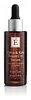
This brightening serum is formulated around Tocopherol and Sodium Ascorbyl Phosphate to brighten dull-looking skin and soften the look of wrinkles.
This barrier-repair serum is formulated around Jojoba Oil/Macadamia Seed Oil Esters and Squalene to strengthen the skin barrier and hydrate skin.

What's inside
What's inside
 Key Ingredients
Benefits
Concerns
Ingredients Side-by-side
Solanum Lycopersicum Fruit Juice
Skin ConditioningEquisetum Arvense Extract
AstringentPrunus Avium Fruit Extract
Skin ConditioningLinum Usitatissimum Seed Extract
Perfuming
Humulus Lupulus Extract
AntimicrobialHordeum Vulgare Seed Extract
Skin ConditioningTriticum Vulgare Germ Extract
Skin ConditioningAlgae Extract
EmollientSpinacia Oleracea Leaf Extract
Skin ConditioningBrassica Oleracea Italica Extract
AstringentMedicago Sativa Extract
TonicBeta Vulgaris Root Extract
Skin ConditioningRose Extract
Skin ConditioningFucus Vesiculosus Extract
Emollient
Yucca Filamentosa Root Extract
Trifolium Pratense Flower Extract
AstringentHoney
Humectant
Carica Papaya Fruit Extract
Skin ConditioningHelianthus Annuus Seed Oil
Emollient


Rosmarinus Officinalis Leaf Extract
AntimicrobialPersea Gratissima Fruit Extract
EmollientNelumbo Nucifera Flower Extract
Skin ConditioningWater
Skin ConditioningMannitol
Humectant
Tocopherol
Antioxidant






Magnesium Sulfate
Niacinamide
Smoothing






Zinc Sulfate
Antimicrobial
Brassica Oleracea Acephala Leaf Extract
HumectantPantothenic Acid
Skin ConditioningBiotin
AntiseborrhoeicSodium Ascorbyl Phosphate
Antioxidant
Sodium Benzoate
Masking
Gluconolactone
Skin Conditioning
Citrus Limon Peel Oil
Masking




Citrus Grandis Peel Oil
Masking
Ferulic Acid
Antimicrobial
Hydrolyzed Hyaluronic Acid
Humectant
CI 75810
Cosmetic ColorantEuterpe Oleracea Fruit Extract
Citrus Limon Fruit Extract
Masking
Malpighia Emarginata Fruit Extract
Skin ConditioningPhyllanthus Emblica Fruit Extract
HumectantAdansonia Digitata Seed Oil
Emollient
Myrciaria Dubia Fruit Extract
Skin ConditioningDaucus Carota Sativa Root Extract
Skin Conditioning
Cocos Nucifera Water
Masking
Lycium Barbarum Fruit Extract
Astringent
Tapioca Starch
Thioctic Acid
Antioxidant
Glycerin
Humectant
Solanum Lycopersicum Fruit Juice, Equisetum Arvense Extract, Prunus Avium Fruit Extract, Linum Usitatissimum Seed Extract, Humulus Lupulus Extract, Hordeum Vulgare Seed Extract, Triticum Vulgare Germ Extract, Algae Extract, Spinacia Oleracea Leaf Extract, Brassica Oleracea Italica Extract, Medicago Sativa Extract, Beta Vulgaris Root Extract, Rose Extract, Fucus Vesiculosus Extract, Yucca Filamentosa Root Extract, Trifolium Pratense Flower Extract, Honey, Carica Papaya Fruit Extract, Helianthus Annuus Seed Oil, Rosmarinus Officinalis Leaf Extract, Persea Gratissima Fruit Extract, Nelumbo Nucifera Flower Extract, Water, Mannitol, Tocopherol, Magnesium Sulfate, Niacinamide, Zinc Sulfate, Brassica Oleracea Acephala Leaf Extract, Pantothenic Acid, Biotin, Sodium Ascorbyl Phosphate, Sodium Benzoate, Gluconolactone, Citrus Limon Peel Oil, Citrus Grandis Peel Oil, Ferulic Acid, Hydrolyzed Hyaluronic Acid, CI 75810, Euterpe Oleracea Fruit Extract, Citrus Limon Fruit Extract, Malpighia Emarginata Fruit Extract, Phyllanthus Emblica Fruit Extract, Adansonia Digitata Seed Oil, Myrciaria Dubia Fruit Extract, Daucus Carota Sativa Root Extract, Cocos Nucifera Water, Lycium Barbarum Fruit Extract, Tapioca Starch, Thioctic Acid, Glycerin
Water
Skin ConditioningPropanediol
Solvent
Jojoba Oil/Macadamia Seed Oil Esters
Skin Conditioning
Caprylyl Caprylate/Caprate
Emollient
Glycerin
Humectant
Polyacrylate Crosspolymer-11
Emulsion StabilisingGlycine Soja Seed Extract
Skin Conditioning
Oryza Sativa Bran Extract
Skin Conditioning
Squalene
Emollient
Sodium Hyaluronate
Humectant
Tocopherol
Antioxidant
Phytosteryl Macadamiate
Skin Conditioning
Paeonia Albiflora Root Extract
Skin ConditioningGluconolactone
Skin Conditioning
Trisodium Ethylenediamine Disuccinate
Phytosterols
Skin Conditioning
Rosmarinus Officinalis Leaf Extract
AntimicrobialHelianthus Annuus Extract
Emollient
Aloe Barbadensis Leaf Juice
Skin Conditioning
Chondrus Crispus Extract
Skin Conditioning
Xanthan Gum
EmulsifyingEthylhexylglycerin
Skin ConditioningPotassium Sorbate
Preservative
Sodium Benzoate
Masking
Citric Acid
Buffering
Phenoxyethanol
Preservative
Water, Propanediol, Jojoba Oil/Macadamia Seed Oil Esters, Caprylyl Caprylate/Caprate, Glycerin, Polyacrylate Crosspolymer-11, Glycine Soja Seed Extract, Oryza Sativa Bran Extract, Squalene, Sodium Hyaluronate, Tocopherol, Phytosteryl Macadamiate, Paeonia Albiflora Root Extract, Gluconolactone, Trisodium Ethylenediamine Disuccinate, Phytosterols, Rosmarinus Officinalis Leaf Extract, Helianthus Annuus Extract, Aloe Barbadensis Leaf Juice, Chondrus Crispus Extract, Xanthan Gum, Ethylhexylglycerin, Potassium Sorbate, Sodium Benzoate, Citric Acid, Phenoxyethanol
Reviews
Alternatives
Ingredients Explained
These ingredients are found in both products.
Ingredients higher up in an ingredient list are typically present in a larger amount.
Gluconolactone is a PHA. PHAs are a great gentle alternative to traditional AHAs.
When applied, Gluconolactone has the same affect on skin as AHAs such as lactic acid. It helps dissolve the dead skin cells in the top layer of your skin. This improves texture and brightens the skin.
PHAs are more gentle than AHAs due to their larger structure. They do not penetrate as deeply as AHAs and take a longer time to dissolve dead cells. Studies show PHAs do not cause as much irritation.
Gluconolactone has some interesting properties:
In a 2004 study, Gluconolactone was found to prevent UV damage in mouse skin cells and has not been found to increase sun sensitivity. However, we still recommend wearing SPF daily.
This ingredient is is an created by reacting gluconic acid with an alcohol.
Learn more about GluconolactoneGlycerin (or glycerol) is a compound naturally found in your skin. It's a powerhouse humectant that pulls water into the stratum corneum.
Topically, glycerin does several things at once:
Your skin makes glycerin on its own (mostly from sebaceous oil breakdown) and shuttles it to your outermost layer of skin, or your epidermis, via aquaporin-3.
Aquaporin-3 is a transporter that is essential for normal skin hydration, elasticity, and repair. Interestingly, mice lacking in AQP3 have dry and less elastic skin that can be fully corrected with glycerin.
This ingredient is non-irritating, plays well with almost every ingredient, and works across all skin types. Typical use is anywhere between 3-10% but can go up to 79% in some leave-on products.
Just know very high concentrations (>40%) can feel tacky in low humidity.
Glycerin is the name for this ingredient in American English. British English uses Glycerol/Glycerine.
Learn more about GlycerinThis is a botanical extract from the rosemary plant (the same one you cook with). In skincare, it mostly works as a skin conditioning agent.
Its activity comes from a handful of polyphenols, carnosic acid, carnosol, and rosmarinic acid. Almost 90% of the antioxidant activity of this ingredient can be attributed to canosol and carnosic acid.
These compounds protect your skin two ways:
1) They fight off free radicals, or the unstable molecules from things like sun and pollution that age and damage skin.
2) They help calm inflammation by switching off the chemical signals that tell skin to get red and irritated.
Lab studies also suggest that rosmarinic acid may help protect collagen and slow sugar-related damage to it.
The Cosmetic Ingredient Review has concluded rosemary-derived ingredients to be safe when formulated to be non-sensitizing.
Rosemary can occasionally cause allergic contact dermatitis (due to carnosol), so be sure to patch test if you have reactive or fragrance-sensitive skin.
Learn more about Rosmarinus Officinalis Leaf ExtractSodium Benzoate is a preservative. It's used in both cosmetic and food products to inhibit the growth of mold and bacteria. It is typically produced synthetically.
Both the US FDA and EU Health Committee have approved the use of sodium benzoate. In the US, levels of 0.1% (of the total product) are allowed.
Sodium benzoate works as a preservative by inhibiting the growth of bacteria inside of cells. It prevents the cell from fermenting a type of sugar using an enzyme called phosphofructokinase.
It is the salt of benzoic acid. Foods containing sodium benzoate include soda, salad dressings, condiments, fruit juices, wines, and snack foods.
Studies for using ascorbic acid and sodium benzoate in cosmetics are lacking, especially in skincare routines with multiple steps.
We always recommend speaking with a professional, such as a dermatologist, if you have any concerns.
Learn more about Sodium BenzoateTocopherol is a fat-soluble antioxidant known as Vitamin E.
You'll find this ingredient in the vast majority of skincare (for good reason). It works to neutralize free radicals, or unstable molecules generated by UV exposure, pollution, and other environmental stressors, before they can cause oxidative damage to your skin cells.
Topically applied tocopherol has been shown to protect against UV damage by ramping up the skin's own natural defense enzymes.
It also acts as a skin conditioning agent; some studies show that regular topical use can improve the skin's water-binding capacity over 2-4 weeks.
This ingredient is especially loved for being a team player. When combined with Vitamin C, the photoprotective effect of both ingredients roughly doubles and the combo also helps reduce UV-induced DNA damage.
This ingredient has some brightening potential but it's more of a prevention ingredient than spot-fader. Cell studies show it can slow down melanin production but it's worth noting that it's not the most powerful brightener out there.
In formulations, it also serves as a stabilizer that helps protect other oxidation-prone ingredients from degrading.
Concentrations usually range from 0.1-1% in most leave-on products.
Learn more about TocopherolWater. It's the most common cosmetic ingredient of all. You'll usually see it at the top of ingredient lists, meaning that it makes up the largest part of the product.
So why is it so popular? Water most often acts as a solvent - this means that it helps dissolve other ingredients into the formulation.
You'll also recognize water as that liquid we all need to stay alive. If you see this, drink a glass of water. Remember to stay hydrated!
Learn more about Water