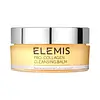
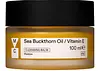
Elemis Pro-Collagen Cleansing Balm Versus Modern Chemistry By Boots Modern Chemistry Restore Cleansing Balm
This oil-based makeup remover is made to dissolve makeup, sunscreen, and daily buildup.
This oil-based makeup remover is made to dissolve makeup, sunscreen, and daily buildup.

What's inside
What's inside
 Key Ingredients
Benefits
Concerns
Ingredients Side-by-side
Prunus Amygdalus Dulcis Oil
Skin Conditioning





Caprylic/Capric Triglyceride
Masking

PEG-6 Caprylic/Capric Glycerides
EmulsifyingPEG-8 Beeswax
Emulsifying
Cetearyl Alcohol
Emollient

Sorbitan Stearate
Emulsifying
Sambucus Nigra Oil
Masking
PEG-60 Almond Glycerides
Emulsifying
Silica
Abrasive


Avena Sativa Kernel Oil
Skin Conditioning

Triticum Vulgare Germ Oil
Emollient
Butyrospermum Parkii Butter
Skin Conditioning
Citrus Aurantium Dulcis Peel Wax
Skin ConditioningGlycerin
Humectant
Lecithin
Emollient
Borago Officinalis Seed Oil
Emollient
Lavandula Angustifolia Oil
Masking



Phenoxyethanol
Preservative
Cocos Nucifera Oil
Masking
Linalool
Perfuming
Lavandula Hybrida Oil
Emollient
Pelargonium Graveolens Flower Oil
Masking
Eucalyptus Globulus Leaf Oil
Perfuming
Geraniol
Perfuming
Acacia Decurrens Flower Wax
Emollient
Rosa Multiflora Flower Wax
Skin ConditioningTocopherol
Antioxidant




Anthemis Nobilis Flower Oil
Masking
Cocoyl Hydrolyzed Collagen
Cleansing
Limonene
Perfuming
Mentha Arvensis Leaf Oil
Masking
Simmondsia Chinensis Seed Oil
Emollient
Citrus Aurantium Dulcis Oil
Masking
Parfum
Masking
Vitis Vinifera Seed Oil
Emollient
Menthol
Masking
Eugenia Caryophyllus Leaf Oil
Masking
Citral
Perfuming
Padina Pavonica Thallus Extract
Skin ConditioningPrunus Amygdalus Dulcis Oil, Caprylic/Capric Triglyceride, PEG-6 Caprylic/Capric Glycerides, PEG-8 Beeswax, Cetearyl Alcohol, Sorbitan Stearate, Sambucus Nigra Oil, PEG-60 Almond Glycerides, Silica, Avena Sativa Kernel Oil, Triticum Vulgare Germ Oil, Butyrospermum Parkii Butter, Citrus Aurantium Dulcis Peel Wax, Glycerin, Lecithin, Borago Officinalis Seed Oil, Lavandula Angustifolia Oil, Phenoxyethanol, Cocos Nucifera Oil, Linalool, Lavandula Hybrida Oil, Pelargonium Graveolens Flower Oil, Eucalyptus Globulus Leaf Oil, Geraniol, Acacia Decurrens Flower Wax, Rosa Multiflora Flower Wax, Tocopherol, Anthemis Nobilis Flower Oil, Cocoyl Hydrolyzed Collagen, Limonene, Mentha Arvensis Leaf Oil, Simmondsia Chinensis Seed Oil, Citrus Aurantium Dulcis Oil, Parfum, Vitis Vinifera Seed Oil, Menthol, Eugenia Caryophyllus Leaf Oil, Citral, Padina Pavonica Thallus Extract
Carthamus Tinctorius Seed Oil
Masking
Vitis Vinifera Seed Oil
Emollient
C10-18 Triglycerides
Emollient
Helianthus Annuus Seed Oil
Emollient
PEG-20 Glyceryl Triisostearate
Emollient
Cetearyl Alcohol
Emollient
Trihydroxystearin
Skin Conditioning
Hippophae Rhamnoides Fruit Oil
Skin Protecting
C12-15 Alkyl Benzoate
AntimicrobialTocopherol
Antioxidant
Citrus Aurantium Flower Oil
Perfuming
Stearalkonium Hectorite
Gel FormingGlycine Soja Oil
Emollient
Parfum
Masking
Propylene Carbonate
SolventCitrus Limon Peel Oil
Masking
Citrus Aurantium Peel Oil
Linalyl Acetate
Masking
Linalool
Perfuming
Limonene
Perfuming
Geranyl Acetate
Perfuming
Citronellol
Perfuming
Hydroxycitronellal
Perfuming
Geraniol
Perfuming
Ganoderma Lucidum Extract
Skin Protecting
Schisandra Chinensis Fruit Extract
Skin Conditioning
Tremella Fuciformis Extract
Humectant
Withania Somnifera Root Extract
Skin Conditioning
Citral
Perfuming
Terpineol
Masking
Moringa Oleifera Seed Oil
Emollient
Salvia Hispanica Seed Oil
Emollient
Carthamus Tinctorius Seed Oil, Vitis Vinifera Seed Oil, C10-18 Triglycerides, Helianthus Annuus Seed Oil, PEG-20 Glyceryl Triisostearate, Cetearyl Alcohol, Trihydroxystearin, Hippophae Rhamnoides Fruit Oil, C12-15 Alkyl Benzoate, Tocopherol, Citrus Aurantium Flower Oil, Stearalkonium Hectorite, Glycine Soja Oil, Parfum, Propylene Carbonate, Citrus Limon Peel Oil, Citrus Aurantium Peel Oil, Linalyl Acetate, Linalool, Limonene, Geranyl Acetate, Citronellol, Hydroxycitronellal, Geraniol, Ganoderma Lucidum Extract, Schisandra Chinensis Fruit Extract, Tremella Fuciformis Extract, Withania Somnifera Root Extract, Citral, Terpineol, Moringa Oleifera Seed Oil, Salvia Hispanica Seed Oil
Reviews
Ingredients Explained
These ingredients are found in both products.
Ingredients higher up in an ingredient list are typically present in a larger amount.
Cetearyl alcohol is a waxy mixture of two fatty alcohols: cetyl alcohol and stearyl alcohol. It is an emollient and emulsifier.
Despite having "alcohol" in its name, it has nothing to do with drying solvent alcohols; the FDA also allows "alcohol-free" products to contain fatty alcohols like this ingredient.
It plays several roles in a formula:
Typical use levels for this ingredient sit around 1-10% and the Cosmetic Ingredient Review Expert Panel has affirmed safety at concentrations up to 25% in leave-on products.
Multiple assessments have found it to be non-irritating and non-sensitizing to most people.
However, there have been some cases of allergic contact dermatitis in patients with chronically compromised skin barriers.
Cetearyl alcohol has a comedogenic rating of 2 and irritancy rating of 1. Both of these numbers come from the 1989 study that used rabbit ears; a "2" means mildly comedogenic and a "1" means low irritancy.
Here's the catch: rabbit skin is more sensitive than human skin and throws a lot of false positives. A 1996 reappraisal found that ingredients rated 1-2 in the rabbit ear tests are generally safe for humans.
Remember comedogenic ratings are unable to assess the entire formula of a product or how it will react on your skin. Just be sure to patch test if you are unsure about certain ingredients.
This ingredient is not fungal acne safe. Cetearyl alcohol is a fatty alcohol with chain lengths that fall within the range that Malassezia can metabolize.
A 2019 study has also observed Malassezia growth in the presence of this ingredient, confirming it to be not-fungal acne safe.
Learn more about Cetearyl AlcoholCitral is the molecule responsible for the fresh lemon scent in lemon, lime, and lemongrass. It is a fragrance ingredient that can be created from plant essential oils or synthetically.
Though Citral has documented antimicrobial activity against acne bacteria (which is where the marketing claims about it being good for acne-prone skin originate), real formulas use it at fragrance-level concentrations under 1% so there's likely no skin benefit.
You should know this ingredient is a known EU fragrance allergen.
Animal studies classifies this ingredient as a weak-to-moderate skin sensitizer and clinical patch testing on eczema patients confirmed it to be both a contact allergen and irritant.
The term 'citral' is a collective term for two geometric isomers: geranial/Citral A and neral/Citral B.
The term 'fragrance' is not regulated in many countries. In many cases, it is up to the brand to define this term. For instance, many brands choose to label themselves as "fragrance-free" because they are not using synthetic fragrances. However, their products may still contain ingredients such as essential oils that are considered a fragrance.
Learn more about CitralGeraniol is used to add fragrance/parfum to a product. It is the main component of citronellol. It is a monoterpenoid and an alcohol.
Monoterpenes are naturally found in many parts of different plants.
Geraniol can be found in many essential oils including Rose Oil and Citronella Oil. The scent of Geraniol is often described as "rose-like". Many foods also contain Geraniol for fruit flavoring.
Geraniol can irritate the skin when exposed to air. However, irritation depends on the ability of geraniol to penetrate into the skin. In general, geraniol is not able to penetrate skin easily.
Geraniol is colorless and has low water-solubility. However, it is soluble in common organic solvents.
Like citronellol, it is a natural insect repellent.
2,6-Octadien-1-ol, 3,7-dimethyl-, (2E)-
Learn more about GeraniolLimonene is a fragrance that adds scent and taste to a formulation.
It's found in the peel oil of citrus fruits and other plants such as lavender and eucalyptus. The scent of limonene is generally described as "sweet citrus".
Limonene acts as an antioxidant, meaning it helps neutralize free radicals.
When exposed to air, oxidized limonene may sensitize the skin. Because of this, limonene is often avoided by people with sensitive skin.
The term 'fragrance' is not regulated in many countries. In many cases, it is up to the brand to define this term. For instance, many brands choose to label themselves as "fragrance-free" because they are not using synthetic fragrances. However, their products may still contain ingredients such as essential oils that are considered a fragrance.
Learn more about LimoneneLinalool is a fragrance and helps add scent to products. It's derived from common plants such as cinnamon, mint, citrus, and lavender.
Like Limonene, this ingredient oxidizes when exposed to air. Oxidized linalool can cause allergies and skin sensitivity.
This ingredient has a scent that is floral, spicy tropical, and citrus-like.
Learn more about LinaloolParfum is a catch-all term for an ingredient or more that is used to give a scent to products.
Also called "fragrance", this ingredient can be a blend of hundreds of chemicals or plant oils. This means every product with "fragrance" or "parfum" in the ingredients list is a different mixture.
For instance, Habanolide is a proprietary trade name for a specific aroma chemical. When used as a fragrance ingredient in cosmetics, most aroma chemicals fall under the broad labeling category of “FRAGRANCE” or “PARFUM” according to EU and US regulations.
The term 'parfum' or 'fragrance' is not regulated in many countries. In many cases, it is up to the brand to define this term.
For instance, many brands choose to label themselves as "fragrance-free" because they are not using synthetic fragrances. However, their products may still contain ingredients such as essential oils that are considered a fragrance by INCI standards.
One example is Calendula flower extract. Calendula is an essential oil that still imparts a scent or 'fragrance'.
Depending on the blend, the ingredients in the mixture can cause allergies and sensitivities on the skin. Some ingredients that are known EU allergens include linalool and citronellol.
Parfum can also be used to mask or cover an unpleasant scent.
The bottom line is: not all fragrances/parfum/ingredients are created equally. If you are worried about fragrances, we recommend taking a closer look at an ingredient. And of course, we always recommend speaking with a professional.
Learn more about ParfumTocopherol is a fat-soluble antioxidant known as Vitamin E.
You'll find this ingredient in the vast majority of skincare (for good reason). It works to neutralize free radicals, or unstable molecules generated by UV exposure, pollution, and other environmental stressors, before they can cause oxidative damage to your skin cells.
Topically applied tocopherol has been shown to protect against UV damage by ramping up the skin's own natural defense enzymes.
It also acts as a skin conditioning agent; some studies show that regular topical use can improve the skin's water-binding capacity over 2-4 weeks.
This ingredient is especially loved for being a team player. When combined with Vitamin C, the photoprotective effect of both ingredients roughly doubles and the combo also helps reduce UV-induced DNA damage.
This ingredient has some brightening potential but it's more of a prevention ingredient than spot-fader. Cell studies show it can slow down melanin production but it's worth noting that it's not the most powerful brightener out there.
In formulations, it also serves as a stabilizer that helps protect other oxidation-prone ingredients from degrading.
Concentrations usually range from 0.1-1% in most leave-on products.
Learn more about TocopherolVitis Vinifera Seed Oil comes from the grape vine. Grape seeds are a byproduct of creating grape juice or wine.
The components of grape seeds have many skin benefits. Research has found it to be antimicrobial and anti-inflammatory. It also contains many potent antioxidants such as Vitamin E , Vitamin C, proanthocyanidins, polyphenols, flavonoids, and anthocyanins. Proanthocyanidin has been shown to help even out skin tone.
Antioxidants help fight free-radical molecules. Free-radical molecules are capable of damaging our cells and other genetic material. Antioxidants help stabilize free-radicals by donating extra electrons. Grape seed extract may help reduce the signs of aging.
The antimicrobial properties of grape seed may help treat acne. However, more research is needed to support this claim.
Grape seed has also been found to help absorb UV rays. Grape seed extract should not replace your sunscreen.
The fatty acids of grape seed oil give it emollient properties. Emollients help soothe and soften your skin by creating a film. This film traps moisture within, keeping your skin hydrated.
Learn more about Vitis Vinifera Seed Oil

