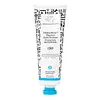
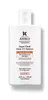
Drunk Elephant Umbra Sheer Physical Daily Defense Broad Spectrum Sunscreen SPF 30 Versus Kiehl's Super Fluid Daily UV Defense Sunscreen SPF 50+
This mineral sunscreen covers the full UV range and blocks ~97% of UVB at SPF 30.
This chemical sunscreen covers most of the UV range, lighter on the deep UVA that drives aging.

What's inside
What's inside
 Key Ingredients
Benefits
Concerns
Ingredients Side-by-side
Zinc Oxide 20%
Cosmetic Colorant


Water
Skin ConditioningCaprylic/Capric Triglyceride
Masking


Dicaprylyl Carbonate
EmollientPentylene Glycol
Skin Conditioning
Glycerin
Humectant
Steareth-2
EmulsifyingPropanediol
Solvent
Steareth-21
CleansingPolyhydroxystearic Acid
Emulsifying

Cetearyl Alcohol
Emollient



Silica
Abrasive

Sclerocarya Birrea Seed Oil
Humectant
Aloe Barbadensis Leaf Extract
Emollient

Chondrus Crispus Extract
Skin Conditioning
Haematococcus Pluvialis Extract
Antioxidant
Helianthus Annuus Sprout Extract
Skin ConditioningVitis Vinifera Juice Extract
Antioxidant
Helianthus Annuus Seed Oil
Emollient
Simmondsia Chinensis Seed Oil
Emollient
Raspberry Seed Oil/Tocopheryl Succinate Aminopropanediol Esters
Skin Conditioning
Hydrolyzed Wheat Protein
Skin ConditioningTocopheryl Acetate
Antioxidant

Tocopherol
Antioxidant

Sea Water
HumectantAcetyl Glucosamine
Skin Conditioning
Cetearyl Glucoside
Emulsifying
Sodium Stearoyl Glutamate
CleansingTetrahexyldecyl Ascorbate
Antioxidant

Glycine
Buffering
Sucrose
Humectant
Lecithin
Emollient
Triethoxycaprylylsilane

Xanthan Gum
EmulsifyingTrisodium Ethylenediamine Disuccinate
Caprylhydroxamic Acid
Caprylyl Glycol
Emollient
Phenoxyethanol
Preservative
Chlorphenesin
Antimicrobial
Sodium Dehydroacetate
Preservative
CI 77491
Cosmetic ColorantZinc Oxide 20%, Water, Caprylic/Capric Triglyceride, Dicaprylyl Carbonate, Pentylene Glycol, Glycerin, Steareth-2, Propanediol, Steareth-21, Polyhydroxystearic Acid, Cetearyl Alcohol, Silica, Sclerocarya Birrea Seed Oil, Aloe Barbadensis Leaf Extract, Chondrus Crispus Extract, Haematococcus Pluvialis Extract, Helianthus Annuus Sprout Extract, Vitis Vinifera Juice Extract, Helianthus Annuus Seed Oil, Simmondsia Chinensis Seed Oil, Raspberry Seed Oil/Tocopheryl Succinate Aminopropanediol Esters, Hydrolyzed Wheat Protein, Tocopheryl Acetate, Tocopherol, Sea Water, Acetyl Glucosamine, Cetearyl Glucoside, Sodium Stearoyl Glutamate, Tetrahexyldecyl Ascorbate, Glycine, Sucrose, Lecithin, Triethoxycaprylylsilane, Xanthan Gum, Trisodium Ethylenediamine Disuccinate, Caprylhydroxamic Acid, Caprylyl Glycol, Phenoxyethanol, Chlorphenesin, Sodium Dehydroacetate, CI 77491
Butyl Methoxydibenzoylmethane 3%
UV Absorber
Homosalate 15%
Skin Conditioning
Ethylhexyl Salicylate 5%
UV Absorber
Octocrylene 10%
UV Absorber
Water
Skin ConditioningDimethicone
Emollient
Alcohol Denat.
Antimicrobial

Silica
Abrasive
Styrene/Acrylates Copolymer
Butyloctyl Salicylate
Skin Conditioning
PEG-30 Dipolyhydroxystearate
Emulsifying
Polymethylsilsesquioxane
Tocopherol
Antioxidant
Phenoxyethanol
Preservative
PEG-8 Laurate
Emulsifying
Lauryl PEG/PPG-18/18 Methicone
Skin Conditioning
Sodium Chloride
MaskingCaprylyl Glycol
Emollient
Isostearyl Alcohol
Emollient
Poly C10-30 Alkyl Acrylate
Emulsion StabilisingP-Anisic Acid
MaskingPentaerythrityl Tetra-Di-T-Butyl Hydroxyhydrocinnamate
Antioxidant
Trisodium Ethylenediamine Disuccinate
Sodium Dodecylbenzenesulfonate
CleansingButyl Methoxydibenzoylmethane 3%, Homosalate 15%, Ethylhexyl Salicylate 5%, Octocrylene 10%, Water, Dimethicone, Alcohol Denat., Silica, Styrene/Acrylates Copolymer, Butyloctyl Salicylate, PEG-30 Dipolyhydroxystearate, Polymethylsilsesquioxane, Tocopherol, Phenoxyethanol, PEG-8 Laurate, Lauryl PEG/PPG-18/18 Methicone, Sodium Chloride, Caprylyl Glycol, Isostearyl Alcohol, Poly C10-30 Alkyl Acrylate, P-Anisic Acid, Pentaerythrityl Tetra-Di-T-Butyl Hydroxyhydrocinnamate, Trisodium Ethylenediamine Disuccinate, Sodium Dodecylbenzenesulfonate
Reviews
Ingredients Explained
These ingredients are found in both products.
Ingredients higher up in an ingredient list are typically present in a larger amount.
Caprylyl Glycol is a humectant, skin conditioner, emollient, and preservative booster derived from either caprylic acid or synthetically created.
Typical use levels vary from 0.3-1% as a preservative booster and go up to 2% to condition skin.
Because it is not a free-fatty acid, this ingredient is fungal acne safe (there's nothing for Malassezia to feed on).
Learn more about Caprylyl GlycolPhenoxyethanol is one of the most widely used preservatives in skincare (and for good reason!).
It has a large spectrum of antimicrobial activity and especially effective bacteria, yeast, and mold while only having a weak effect on your skin's natural microbiome.
On a cellular level, it disrupts the cell membranes of microbes by poking holes that make the cell leak. This shuts down the chemical reactions the microbe needs to make energy so it can no longer survive.
Another perk of this ingredient is that it stays functional across a wide pH range (3-10).
You'll often see it paired with boosters like Ethylhexylglycerin; one study showed that a 1:9 ratio of Ethylhexylglycerin to Phenoxyethanol damages bacterial membranes as effectively as doubling the Phenoxyethanol concentration on its own.
Typical use concentrations range from 0.3-1% depending on the formula, and this ingredient is capped at 1% int the EU.
Safety-wise, the fear mongering does not hold up to the evidence. The EU's Scientific Committee on Consumer Safety and FDA consider it safe as a preservative at up to 1%, including for children of all ages.
Adverse systemic effects only showed up in animal studies at exposures roughly 200x higher than what people get from cosmetics. And despite its very widespread use, this ingredient is a rare sensitizer and allergic reactions are uncommon.
Learn more about PhenoxyethanolSilica, also known as silicon dioxide, is a naturally occurring mineral. It is used as a fine, spherical, and porous powder in cosmetics.
Though it has exfoliant properties, the function of silica varies depending on the product.
The unique structure of silica enhances the spreadability and adds smoothness, making it a great texture enhancer.
It is also used as an active carrier, emulsifier, and mattifier due to its ability to absorb excess oil.
In some products, tiny microneedles called spicules are made from silica or hydrolyzed sponge. When you rub them in, they lightly polish away dead skin layers and enhance the penetration of active ingredients.
Learn more about SilicaTocopherol is a fat-soluble antioxidant known as Vitamin E.
You'll find this ingredient in the vast majority of skincare (for good reason). It works to neutralize free radicals, or unstable molecules generated by UV exposure, pollution, and other environmental stressors, before they can cause oxidative damage to your skin cells.
Topically applied tocopherol has been shown to protect against UV damage by ramping up the skin's own natural defense enzymes.
It also acts as a skin conditioning agent; some studies show that regular topical use can improve the skin's water-binding capacity over 2-4 weeks.
This ingredient is especially loved for being a team player. When combined with Vitamin C, the photoprotective effect of both ingredients roughly doubles and the combo also helps reduce UV-induced DNA damage.
This ingredient has some brightening potential but it's more of a prevention ingredient than spot-fader. Cell studies show it can slow down melanin production but it's worth noting that it's not the most powerful brightener out there.
In formulations, it also serves as a stabilizer that helps protect other oxidation-prone ingredients from degrading.
Concentrations usually range from 0.1-1% in most leave-on products.
Learn more about TocopherolTrisodium Ethylenediamine Disuccinate is used to help stabilize a product.
It is a chelating agent, meaning it helps prevent metal ions from binding to other ingredients. This prevents unwanted reactions in products. Metal ions can come into a product via the water ingredient. They are found in trace amounts and are not known to be harmful.
Water. It's the most common cosmetic ingredient of all. You'll usually see it at the top of ingredient lists, meaning that it makes up the largest part of the product.
So why is it so popular? Water most often acts as a solvent - this means that it helps dissolve other ingredients into the formulation.
You'll also recognize water as that liquid we all need to stay alive. If you see this, drink a glass of water. Remember to stay hydrated!
Learn more about Water

