Drunk Elephant Lala Retro Whipped Cream Versus Origins Ginzing Oil-Free Energy-Boosting Gel Moisturizer
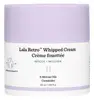
This barrier-repair moisturizer is formulated around Camellia Sinensis Seed Oil and Ceramide NP to strengthen the skin barrier and hydrate skin.
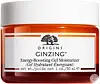
This brightening moisturizer is formulated around Niacinamide and Panax Ginseng Root Extract to brighten dull-looking skin and balance excess oil.

What's inside
What's inside
 Key Ingredients
Benefits
Concerns
Ingredients Side-by-side
Water
Skin ConditioningGlycerin
Humectant


Caprylic/Capric Triglyceride
Masking
Isopropyl Isostearate
Emollient




Camellia Sinensis Seed Oil
Humectant

Glyceryl Stearate Se
Emulsifying
Cetearyl Alcohol
Emollient
Palmitic Acid
Emollient
Stearic Acid
Cleansing
Pentylene Glycol
Skin Conditioning
Plantago Lanceolata Leaf Extract
AntimicrobialAdansonia Digitata Seed Oil
Emollient
Citrullus Lanatus Seed Oil
Emollient
Passiflora Edulis Seed Oil
Emollient
Schinziophyton Rautanenii Kernel Oil
Emollient
Sclerocarya Birrea Seed Oil
Humectant
Polyglyceryl-6 Ximenia Americana Seedate
Emollient
Cholesterol
Emollient
Ceramide AP
Skin Conditioning


Ceramide EOP
Skin Conditioning
Sodium Hyaluronate Crosspolymer
Humectant
Ceramide NP
Skin Conditioning
Phytosphingosine
Skin Conditioning
Ceteareth-20
Cleansing
Trisodium Ethylenediamine Disuccinate
ChelatingTocopherol
Antioxidant



Sodium Lauroyl Lactylate
EmulsifyingSodium Hydroxide
BufferingCitric Acid
Buffering
Carbomer
Emulsion StabilisingXanthan Gum
EmulsifyingCaprylyl Glycol
Emollient
Chlorphenesin
Antimicrobial
Phenoxyethanol
Preservative
Ethylhexylglycerin
Skin ConditioningWater, Glycerin, Caprylic/Capric Triglyceride, Isopropyl Isostearate, Camellia Sinensis Seed Oil, Glyceryl Stearate Se, Cetearyl Alcohol, Palmitic Acid, Stearic Acid, Pentylene Glycol, Plantago Lanceolata Leaf Extract, Adansonia Digitata Seed Oil, Citrullus Lanatus Seed Oil, Passiflora Edulis Seed Oil, Schinziophyton Rautanenii Kernel Oil, Sclerocarya Birrea Seed Oil, Polyglyceryl-6 Ximenia Americana Seedate, Cholesterol, Ceramide AP, Ceramide EOP, Sodium Hyaluronate Crosspolymer, Ceramide NP, Phytosphingosine, Ceteareth-20, Trisodium Ethylenediamine Disuccinate, Tocopherol, Sodium Lauroyl Lactylate, Sodium Hydroxide, Citric Acid, Carbomer, Xanthan Gum, Caprylyl Glycol, Chlorphenesin, Phenoxyethanol, Ethylhexylglycerin
Water
Skin ConditioningButylene Glycol
Humectant
Dicaprylyl Carbonate
EmollientSilica
Abrasive


Glycerin
Humectant
Niacinamide
Smoothing


Isopropyl Isostearate
Emollient
Citrus Limon Peel Oil
Masking




Citrus Grandis Peel Oil
Masking
Mentha Viridis Leaf Oil
Astringent
Citrus Aurantium Dulcis Peel Oil
Masking
Limonene
Perfuming
Linalool
Perfuming
Citral
Perfuming
Butyrospermum Parkii Butter
Skin Conditioning
Simmondsia Chinensis Butter
Skin Conditioning
Hydroxyethyl Urea
Humectant
Hordeum Vulgare Extract
EmollientTrehalose
Humectant
Cucumis Sativus Fruit Extract
Emollient
Panax Ginseng Root Extract
Emollient
Sodium Polyaspartate
HumectantTocopheryl Acetate
Antioxidant
Sodium PCA
Humectant
Helianthus Annuus Seedcake
Abrasive
Sorbitol
Humectant
Caffeine
Skin Conditioning
Linoleic Acid
Cleansing
Ophiopogon Japonicus Root Extract
Skin ConditioningSqualane
Emollient
Sodium Hyaluronate
Humectant
PPG-15 Stearyl Ether
EmollientAmmonium Acryloyldimethyltaurate/Vp Copolymer
Hydroxyacetophenone
Antioxidant
Carbomer
Emulsion StabilisingCaprylyl Glycol
Emollient
Xanthan Gum
EmulsifyingSodium Hydroxide
BufferingEthylhexylglycerin
Skin ConditioningDisodium EDTA
ChelatingPhenoxyethanol
Preservative
Water, Butylene Glycol, Dicaprylyl Carbonate, Silica, Glycerin, Niacinamide, Isopropyl Isostearate, Citrus Limon Peel Oil, Citrus Grandis Peel Oil, Mentha Viridis Leaf Oil, Citrus Aurantium Dulcis Peel Oil, Limonene, Linalool, Citral, Butyrospermum Parkii Butter, Simmondsia Chinensis Butter, Hydroxyethyl Urea, Hordeum Vulgare Extract, Trehalose, Cucumis Sativus Fruit Extract, Panax Ginseng Root Extract, Sodium Polyaspartate, Tocopheryl Acetate, Sodium PCA, Helianthus Annuus Seedcake, Sorbitol, Caffeine, Linoleic Acid, Ophiopogon Japonicus Root Extract, Squalane, Sodium Hyaluronate, PPG-15 Stearyl Ether, Ammonium Acryloyldimethyltaurate/Vp Copolymer, Hydroxyacetophenone, Carbomer, Caprylyl Glycol, Xanthan Gum, Sodium Hydroxide, Ethylhexylglycerin, Disodium EDTA, Phenoxyethanol
Reviews
Alternatives
Ingredients Explained
These ingredients are found in both products.
Ingredients higher up in an ingredient list are typically present in a larger amount.
Caprylyl Glycol is a humectant, skin conditioner, emollient, and preservative booster derived from either caprylic acid or synthetically created.
Typical use levels vary from 0.3-1% as a preservative booster and go up to 2% to condition skin.
Because it is not a free-fatty acid, this ingredient is fungal acne safe (there's nothing for Malassezia to feed on).
Learn more about Caprylyl GlycolCarbomer is a synthetic thickening and gelling agent. It's basically the ingredient that gives a lot of serums, gels, creams, and sunscreens their smooth, non-sticky texture.
Although legally permitted at very high levels, carbomers are normally used at concentrations below 1%.
It also needs to be neutralized to actually thicken, and because it is a large molecule, it doesn't really penetrate the skin barrier.
Allergy-wise, the risk is very low. Clinical studies show carbomers have low potential for skin irritation/sensitization even at concentrations up to 100%.
A 2024 UK study patch-tested 1,302 patients and found true allergy to the parent group of carbomer to be rare with no confirmed relevant reactions.
Learn more about CarbomerEthylhexylglycerin is created from glycerin. It is a multitasker ingredient that:
The CIR Expert Panel found minimal skin absorption or sensitization of any kind in a safety assessment. Though this ingredient is considered well-tolerated, a small number of cases of allergic dermatitis have been published since 2002. Just be sure to patch test if you are unsure.
Industry-reported use ranges from 8% in rinse-off products and 2% in leave-on formulations.
Learn more about EthylhexylglycerinGlycerin (or glycerol) is a compound naturally found in your skin. It's a powerhouse humectant that pulls water into the stratum corneum.
Topically, glycerin does several things at once:
Your skin makes glycerin on its own (mostly from sebaceous oil breakdown) and shuttles it to your outermost layer of skin, or your epidermis, via aquaporin-3.
Aquaporin-3 is a transporter that is essential for normal skin hydration, elasticity, and repair. Interestingly, mice lacking in AQP3 have dry and less elastic skin that can be fully corrected with glycerin.
This ingredient is non-irritating, plays well with almost every ingredient, and works across all skin types. Typical use is anywhere between 3-10% but can go up to 79% in some leave-on products.
Just know very high concentrations (>40%) can feel tacky in low humidity.
Glycerin is the name for this ingredient in American English. British English uses Glycerol/Glycerine.
Learn more about GlycerinIsopropyl Isostearate is a synthetic ester made by combining isopropyl alcohol and isostearic acid. Its an emollient that helps hydrate skin.
This also allows it to improve spreadability of a product and give products a silky feel on skin.
While this ingredient was given a comedogenic rating of 4-5, research has shown that finished products containing comedogenic ingredients don't always increase the formation of microcomedones.
Since isostearic acid is a C18 fatty acid, this ingredient falls within the range that Malassezia feeds on. This ingredient may not be fungal acne safe.
Learn more about Isopropyl IsostearatePhenoxyethanol is one of the most widely used preservatives in skincare (and for good reason!).
It has a large spectrum of antimicrobial activity and especially effective bacteria, yeast, and mold while only having a weak effect on your skin's natural microbiome.
On a cellular level, it disrupts the cell membranes of microbes by poking holes that make the cell leak. This shuts down the chemical reactions the microbe needs to make energy so it can no longer survive.
Another perk of this ingredient is that it stays functional across a wide pH range (3-10).
You'll often see it paired with boosters like Ethylhexylglycerin; one study showed that a 1:9 ratio of Ethylhexylglycerin to Phenoxyethanol damages bacterial membranes as effectively as doubling the Phenoxyethanol concentration on its own.
Typical use concentrations range from 0.3-1% depending on the formula, and this ingredient is capped at 1% int the EU.
Safety-wise, the fear mongering does not hold up to the evidence. The EU's Scientific Committee on Consumer Safety and FDA consider it safe as a preservative at up to 1%, including for children of all ages.
Adverse systemic effects only showed up in animal studies at exposures roughly 200x higher than what people get from cosmetics. And despite its very widespread use, this ingredient is a rare sensitizer and allergic reactions are uncommon.
Learn more about PhenoxyethanolSodium Hydroxide is also known as lye or caustic soda. It is used to adjust the pH of products; many ingredients require a specific pH to be effective.
In small amounts, sodium hydroxide is considered safe to use. However, large amounts may cause chemical burns due to its high alkaline.
Your skin has a natural pH and acid mantle. This acid mantle helps prevent harmful bacteria from breaking through. The acid mantle also helps keep your skin hydrated.
"Alkaline" refers to a high pH level. A low pH level would be considered acidic.
Learn more about Sodium HydroxideWater. It's the most common cosmetic ingredient of all. You'll usually see it at the top of ingredient lists, meaning that it makes up the largest part of the product.
So why is it so popular? Water most often acts as a solvent - this means that it helps dissolve other ingredients into the formulation.
You'll also recognize water as that liquid we all need to stay alive. If you see this, drink a glass of water. Remember to stay hydrated!
Learn more about WaterXanthan gum is used as a stabilizer and thickener within cosmetic products. It helps give products a sticky, thick feeling - preventing them from being too runny.
On the technical side of things, xanthan gum is a polysaccharide - a combination consisting of multiple sugar molecules bonded together.
Xanthan gum is a pretty common and great ingredient. It is a natural, non-toxic, non-irritating ingredient that is also commonly used in food products.
Learn more about Xanthan Gum

