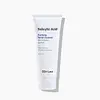
This salicylic acid gel cleanser is formulated around Salicylic Acid to clear breakouts and unclog pores.
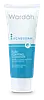
This salicylic acid foaming cleanser is formulated around Salicylic Acid to clear breakouts and unclog pores.


What's inside
What's inside
 Key Ingredients
Benefits
Concerns
Ingredients Side-by-side
Water
Skin ConditioningGlycerin
Humectant


Dipropylene Glycol
HumectantSodium Cocoamphoacetate
CleansingPotassium Cocoyl Glycinate
Surfactant
Chondrus Crispus
Masking
Potassium Cocoate
Emulsifying

Sodium Lauroyl Sarcosinate
CleansingDecyl Glucoside
Cleansing
Sodium Polyacrylate
Absorbent
Glyceryl Caprylate
EmollientDecylene Glycol
Skin ConditioningAcacia Senegal Gum
MaskingXanthan Gum
EmulsifyingSodium Lauroyl Glutamate
SurfactantPropanediol
Solvent
Hydrated Silica
Abrasive
Cinnamomum Cassia Extract
Skin ConditioningSerenoa Serrulata Fruit Extract
Skin Conditioning
Lactobionic Acid
Buffering





Trehalose
Humectant
Dipotassium Glycyrrhizate
Humectant

Mandelic Acid
Antimicrobial



Butylene Glycol
Humectant
Cyclodextrin
AbsorbentSalicylic Acid
Masking

Betaine
Humectant
Sapindus Mukorossi Peel Extract
Skin ConditioningPanthenol
Skin Conditioning
Sodium PCA
Humectant
Sorbitol
Humectant
Escin
TonicRuscus Aculeatus Root Extract
Astringent
1,2-Hexanediol
Skin Conditioning
Chondrus Crispus Extract
Skin Conditioning
Ammonium Glycyrrhizate
MaskingCentella Asiatica Leaf Extract
Skin Conditioning
Hydroxyacetophenone
Antioxidant
Phenoxyethanol
Preservative
Hydrolyzed Yeast Protein
Skin ConditioningAlanine
Masking
Lysine
Skin ConditioningArginine
Masking
Calendula Officinalis Flower Extract
Masking
Serine
Masking
Glycine
Buffering
Sodium Citrate
BufferingThreonine
Sodium Hyaluronate
Humectant
Gluconolactone
Skin Conditioning
Proline
Skin Conditioning
Sodium Benzoate
Masking
Glutamic Acid
Humectant
Water, Glycerin, Dipropylene Glycol, Sodium Cocoamphoacetate, Potassium Cocoyl Glycinate, Chondrus Crispus, Potassium Cocoate, Sodium Lauroyl Sarcosinate, Decyl Glucoside, Sodium Polyacrylate, Glyceryl Caprylate, Decylene Glycol, Acacia Senegal Gum, Xanthan Gum, Sodium Lauroyl Glutamate, Propanediol, Hydrated Silica, Cinnamomum Cassia Extract, Serenoa Serrulata Fruit Extract, Lactobionic Acid, Trehalose, Dipotassium Glycyrrhizate, Mandelic Acid, Butylene Glycol, Cyclodextrin, Salicylic Acid, Betaine, Sapindus Mukorossi Peel Extract, Panthenol, Sodium PCA, Sorbitol, Escin, Ruscus Aculeatus Root Extract, 1,2-Hexanediol, Chondrus Crispus Extract, Ammonium Glycyrrhizate, Centella Asiatica Leaf Extract, Hydroxyacetophenone, Phenoxyethanol, Hydrolyzed Yeast Protein, Alanine, Lysine, Arginine, Calendula Officinalis Flower Extract, Serine, Glycine, Sodium Citrate, Threonine, Sodium Hyaluronate, Gluconolactone, Proline, Sodium Benzoate, Glutamic Acid
Allantoin
Skin Conditioning
Aloe Barbadensis Leaf Extract
Emollient
Water
Skin ConditioningSodium Laureth Sulfate
Cleansing
Cocamidopropyl Betaine
Cleansing
Propylene Glycol
Humectant
Sodium Lauroyl Sarcosinate
CleansingSodium Chloride
MaskingDecyl Glucoside
Cleansing
PEG-120 Methyl Glucose Dioleate
Emulsifying
Acrylates Copolymer
PEG-3 Distearate
Emulsifying
Zinc Gluconate
Skin Conditioning
Salicylic Acid
Masking
DMDM Hydantoin
Preservative
Parfum
Masking
Triethanolamine
BufferingDisodium EDTA
Allantoin, Aloe Barbadensis Leaf Extract, Water, Sodium Laureth Sulfate, Cocamidopropyl Betaine, Propylene Glycol, Sodium Lauroyl Sarcosinate, Sodium Chloride, Decyl Glucoside, PEG-120 Methyl Glucose Dioleate, Acrylates Copolymer, PEG-3 Distearate, Zinc Gluconate, Salicylic Acid, DMDM Hydantoin, Parfum, Triethanolamine, Disodium EDTA
Reviews
Ingredients Explained
These ingredients are found in both products.
Ingredients higher up in an ingredient list are typically present in a larger amount.
Decyl Glucoside is a plant-derived surfactant and emulsion stabilizer. It is created by reacting glucose with the fatty acids from plants.
Like all surfactants, it works by lowering the surface tension between water and oil. This makes it so that dirt, sebum, and makeup can be lifted off your skin and rinsed away. It also produces a dense and creamy foam.
Because it has a neutral charge, it is compatible with a wide range of ingredients and stays stable across a broad pH range/water hardiness conditions.
Patch testing has shown it to have the lowest irritation potential among common cleansing surfactants (like SLS).
Typical use levels range from 5-20% in rinse-off cleansers.
One thing worth knowing: The American Contact Dermatitis Society named the parent family, alkyl glucosides, "Allergen of the Year" in 2017. The prevalence of allergy is pretty low but be sure to patch test if you've reacted to "gentle" or sulfate-free cleansers before.
This ingredient is fungal acne safe because the fatty alcohol portion of this ingredient is not within the C11-24 chain length that Malassezia can metabolize.
Learn more about Decyl GlucosideSalicylic Acid (also known as beta hydroxy acid or BHA) is a well-known ingredient for treating skin that struggles with acne and clogged pores. It exfoliates both the skin's surface and deep within the pores to help clear out buildup, control oil, and reduce inflammation.
Unlike AHAs (alpha hydroxy acids), salicylic acid is oil-soluble. This allows it to penetrate into pores which makes it especially effective for treating blackheads and preventing future breakouts.
Salicylic acid is also known for its soothing properties. It has a similar structure to aspirin and can calm inflamed or irritated skin, making it a good option for acne-prone skin that is also sensitive.
Concentrations of 0.5-2% are recognized by the U.S. FDA as an over-the-counter topical acne product.
It can cause irritation and/or dryness if one's skin already has a compromised moisture barrier, so it's best to focus on repairing that before introducing this ingredient into your routine.
While salicylic acid does not increase sun sensitivity, it’s still important to wear sunscreen daily to protect your skin.
If you are looking for the ingredient called BHA or Butylated Hydroxyanisole, click here.
Learn more about Salicylic AcidSodium Lauroyl Sarcosinate is a cleansing agent and emulsifier. It is a surfactant derived from sarcosine, and a common source is coconut oil.
As a surfactant, Sodium Lauroyl Sarcosinate helps lift dirts, oil, and other molecules to be washed away. In leave-on products, this ingredient is used as an emulsifier. Emulsifier help prevent ingredients such as oils and waters from separating.
Sodium Lauroyl Sarcosinate is also commonly found as a foaming agent in shampoo, toothpaste, and shaving foam. It is amphiphilic, meaning it loves both water and fats.
Learn more about Sodium Lauroyl SarcosinateWater. It's the most common cosmetic ingredient of all. You'll usually see it at the top of ingredient lists, meaning that it makes up the largest part of the product.
So why is it so popular? Water most often acts as a solvent - this means that it helps dissolve other ingredients into the formulation.
You'll also recognize water as that liquid we all need to stay alive. If you see this, drink a glass of water. Remember to stay hydrated!
Learn more about Water

