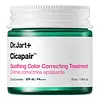
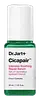
Dr. Jart+ Cicapair Soothing Color Correcting Treatment SPF 40 Versus Dr. Jart+ Cicapair Intensive Soothing Repair Serum

What's inside
What's inside
 Key Ingredients
Benefits
Concerns
No concerns
Ingredients Side-by-side
Water
Skin ConditioningZinc Oxide
Cosmetic Colorant


Isononyl Isononanoate
EmollientC12-15 Alkyl Benzoate
AntimicrobialGlycerin
Humectant


Butyloctyl Salicylate
Skin Conditioning
Lauryl PEG-10 Tris(Trimethylsiloxy)Silylethyl Dimethicone
Emulsifying
Lauryl Polyglyceryl-3 Polydimethylsiloxyethyl Dimethicone
Skin Conditioning
Titanium Dioxide
Cosmetic Colorant
Caprylic/Capric Triglyceride
Masking
Triheptanoin
Skin ConditioningSynthetic Fluorphlogopite
Disteardimonium Hectorite
StabilisingMagnesium Sulfate
Pentylene Glycol
Skin Conditioning
Beeswax
Emulsion Stabilising


Centella Asiatica Leaf Extract
Skin Conditioning


Niacinamide
Smoothing





Allantoin
Skin Conditioning
Glyceryl Caprylate
EmollientAsiaticoside
Antioxidant
Madecassic Acid
Skin Conditioning
Asiatic Acid
Skin Conditioning
Palmitoyl Tripeptide-8
Skin Conditioning
Caprylyl Glycol
Emollient
Butylene Glycol
Humectant
Polyglyceryl-4 Oleate
Emulsifying
Sodium Stearoyl Glutamate
CleansingTocopherol
Antioxidant
Dimethicone
Emollient
Zea Mays Starch
Absorbent
Silica Dimethyl Silylate
EmollientAluminum Hydroxide
EmollientHydrogenated Lecithin
Emulsifying
Stearic Acid
Cleansing
Sodium Surfactin
CleansingIsopentyldiol
Humectant
Propanediol
Solvent
Zein
Skin ConditioningDextran
Triethoxycaprylylsilane
CI 77492
Cosmetic ColorantCI 77891
Cosmetic ColorantCI 77288
Cosmetic ColorantCI 77491
Cosmetic ColorantWater, Zinc Oxide, Isononyl Isononanoate, C12-15 Alkyl Benzoate, Glycerin, Butyloctyl Salicylate, Lauryl PEG-10 Tris(Trimethylsiloxy)Silylethyl Dimethicone, Lauryl Polyglyceryl-3 Polydimethylsiloxyethyl Dimethicone, Titanium Dioxide, Caprylic/Capric Triglyceride, Triheptanoin, Synthetic Fluorphlogopite, Disteardimonium Hectorite, Magnesium Sulfate, Pentylene Glycol, Beeswax, Centella Asiatica Leaf Extract, Niacinamide, Allantoin, Glyceryl Caprylate, Asiaticoside, Madecassic Acid, Asiatic Acid, Palmitoyl Tripeptide-8, Caprylyl Glycol, Butylene Glycol, Polyglyceryl-4 Oleate, Sodium Stearoyl Glutamate, Tocopherol, Dimethicone, Zea Mays Starch, Silica Dimethyl Silylate, Aluminum Hydroxide, Hydrogenated Lecithin, Stearic Acid, Sodium Surfactin, Isopentyldiol, Propanediol, Zein, Dextran, Triethoxycaprylylsilane, CI 77492, CI 77891, CI 77288, CI 77491
Water
Skin ConditioningGlycerin
Humectant
Butylene Glycol
Humectant
Propanediol
Solvent
Methyl Gluceth-20
Humectant
Ethoxydiglycol
HumectantBetaine
Humectant
Allantoin
Skin Conditioning
Octyldodecanol
Emollient
Ethylhexylglycerin
Skin ConditioningAsiaticoside
Antioxidant
Madecassic Acid
Skin Conditioning
Glycolipids
Skin ConditioningAsiatic Acid
Skin Conditioning
Polyglyceryl-4 Oleate
Emulsifying
Centella Asiatica Leaf Extract
Skin Conditioning
Sodium Stearoyl Glutamate
CleansingPalmitoyl Tripeptide-8
Skin Conditioning
1,2-Hexanediol
Skin Conditioning
Isopentyldiol
Humectant
Carbomer
Emulsion StabilisingXanthan Gum
EmulsifyingTromethamine
BufferingPolyglyceryl-10 Laurate
Skin Conditioning
Hydrogenated Lecithin
Emulsifying
C12-13 Alketh-9
EmulsifyingSodium Surfactin
CleansingDextran
CI 19140
Cosmetic ColorantCI 42090
Cosmetic ColorantWater, Glycerin, Butylene Glycol, Propanediol, Methyl Gluceth-20, Ethoxydiglycol, Betaine, Allantoin, Octyldodecanol, Ethylhexylglycerin, Asiaticoside, Madecassic Acid, Glycolipids, Asiatic Acid, Polyglyceryl-4 Oleate, Centella Asiatica Leaf Extract, Sodium Stearoyl Glutamate, Palmitoyl Tripeptide-8, 1,2-Hexanediol, Isopentyldiol, Carbomer, Xanthan Gum, Tromethamine, Polyglyceryl-10 Laurate, Hydrogenated Lecithin, C12-13 Alketh-9, Sodium Surfactin, Dextran, CI 19140, CI 42090
Reviews
Ingredients Explained
These ingredients are found in both products.
Ingredients higher up in an ingredient list are typically present in a larger amount.
Allantoin is a soothing ingredient known for its protective and moisturizing properties; it's basically a quiet workhorse ingredient you can find in a huge range of cosmetics.
Though it can be derived from the comfrey plant, allantoin is produced synthetically for cosmetic products to ensure purity.
Research shows it can encourage your skin cells to turn over and renew by stimulating keratinocyte and fibroblast proliferation.
It also has mild keratolytic properties to help loosen and shed dead skin cells without being harsh.
Studies also suggest allantoin can help calm inflammation by dialing down some of the chemical signals your skin sends out when it is irritated.
This ingredient is typically used in the 0.1-0.5% range, and the FDA recognizes it as a skin protectant in OTC products up to 2%.
Overall, allantoin is a wonderful addition to most routines; it is stable across a wide pH range (~4-8), works well with other ingredients, and is considered non-sensitizing/non-irritating.
Fun fact: Allantoin is naturally occurring in comfrey root, beets, chamomile, and wheat sprouts. Our bodies even produce it as a byproduct of uric acid metabolism.
Learn more about AllantoinAsiatic Acid is a major component of Centella Asiatica Extract. It has wound-healing, anti-inflammatory, and antioxidant properties.
Studies show Asiatic Acid is able to block the pathway for skin inflammation receptors, helping to soothe skin.
As an antioxidant, asiatic acid helps protect our skin against damaging environmental factors.
Learn more about Asiatic AcidAsiaticoside comes from the super popular skin-soothing ingredient, Centella asiatica. It's the reason centella-based products have a strong reputation for repairing and calming skin, along with its sibling compound Madecassoside.
Research from 2016-2025 supports its role in:
You'll usually find this in concentrations between 0.2-5%.
Learn more about AsiaticosideButylene Glycol (or BG) is used within cosmetic products for a few different reasons:
Overall, Butylene Glycol is a safe and well-rounded ingredient that works well with other ingredients.
Though this ingredient works well with most skin types, some people with sensitive skin may experience a reaction such as allergic rashes, closed comedones, or itchiness.
Learn more about Butylene GlycolCentella Asiatica Leaf Extract comes from the leaves of an herb plant native to Southeast Asia. Centella Asiatica is rich in antioxidants and amino acids. It can help reduce irritation and soothe the skin.
Many active components found in centella asiatica, such as Madecassic Acid and Asiaticoside, encourage the skin to naturally produce hyaluronic acid. This helps keep our skin hydrated. Many of these components also show antioxidant activity and may help reduce the signs of aging.
Research shows centella asiatica can help increase Type I collagen production by increasing fibroblast production. Fibroblast helps form connective tissue.
The combination of all these properties makes centella asiatica leaf extract effective at soothing the skin.
Other components of centella asiatica leaf extract include Vitamin A, vitamin C, several B vitamins, and Asiatic Acid.
Recent studies found madecassoside may help prevent damage from UV rays by preventing UV-induced inflammation. Further research is needed.
This plant has been used as a medicine and in food for many centuries. As a medicine, it is used to treat burns, scratches, and wounds.
Learn more about Centella Asiatica Leaf ExtractDextran is a sugar (polysaccharide) with skin hydrating properties.
Fun fact: Louis Pasteur first discovered this ingredient as a microbial product in wine.
Glycerin (or glycerol) is a compound naturally found in your skin. It's a powerhouse humectant that pulls water into the stratum corneum.
Topically, glycerin does several things at once:
Your skin makes glycerin on its own (mostly from sebaceous oil breakdown) and shuttles it to your outermost layer of skin, or your epidermis, via aquaporin-3.
Aquaporin-3 is a transporter that is essential for normal skin hydration, elasticity, and repair. Interestingly, mice lacking in AQP3 have dry and less elastic skin that can be fully corrected with glycerin.
This ingredient is non-irritating, plays well with almost every ingredient, and works across all skin types. Typical use is anywhere between 3-10% but can go up to 79% in some leave-on products.
Just know very high concentrations (>40%) can feel tacky in low humidity.
Glycerin is the name for this ingredient in American English. British English uses Glycerol/Glycerine.
Learn more about GlycerinHydrogenated Lecithin is a more stable version of lecithin.
It's made by taking lecithin (a phospholipid commonly found in soybeans and egg yolks) and hydrogenating it. This just means the unsaturated fatty acids are turned into saturated ones so they don't go bad as easily.
This ingredient is an emollient, emulsifier, and penetration enhancer. As an emollient, it helps soften and hydrate skin by trapping moisture within. As an emulsifier, it prevents oil and water ingredients from separating.
Hydrogenated Lecithin can form tiny spherical structures made of phospholipid bilayers called liposomes. These liposomes are able to capture compounds inside their structure and deliver them through the skin barrier.
Because phospholipids are a natural component of our cell membranes, this ingredient is inherently compatible with skin.
A 2021 study found lecithin-based surfactants were less harsh and more tolerable comared to Sodium Lauryl Sulfate (SLS).
Learn more about Hydrogenated LecithinIsopentyldiol is a synthetic solvent, humectant, and emollient.
Humectants have the ability to attract and hold water while emollients create a thin film to prevent water from evaporating. This combination keeps your skin and hair soft and hydrated. Plus, isopentyldiol does not leave a sticky feeling behind.
As a surfactant, isopentyldiol is a hydrotrope. Hydrotropes help surfactants (cleansing agents) dissolve into water.
According to the manufacturer, using this ingredient with sorbitol boosts skin hydration and helps close cuticles of damaged hair.
This ingredient is water-soluble.
Learn more about IsopentyldiolMadecassic Acid is a major component of Centella Asiatica Extract. It has anti-inflammatory and antioxidant properties.
It is a triterpenoid, meaning it naturally acts as an antioxidant. Antioxidants protect your skin against damage from environmental factors such as pollution and UV.
Studies show Madecassic Acid helps soothe the skin due to its ability to block inflammation pathways.
Learn more about Madecassic AcidThis synthetic peptide is created from palmitic acid, arginine, histidine, and phenylalanine.
According to the manufacturer, this peptide is great at soothing skin inflammation.
Polyglyceryl-4 Oleate isn't fungal acne safe.
Propanediol is an all-star ingredient. It softens, hydrates, and smooths the skin.
It’s often used to:
Propanediol is not likely to cause sensitivity and considered safe to use. It is derived from corn or petroleum with a clear color and no scent.
Learn more about PropanediolSodium Stearoyl Glutamate is an amino-acid based emulsifier. It is made by combining stearic acid with L-glutamic acid and neutralizing it to a sodium salt.
As an emulsifier, it works mainly as an oil-in-water one and helps keep the oil and water in your formulas blended. It also contributes to a smooth, non-greasy skin feel.
This ingredient is biodegradable and commonly available in natural/COSMOS-certified grades.
Learn more about Sodium Stearoyl GlutamateWe don't have a description for Sodium Surfactin yet.
Water. It's the most common cosmetic ingredient of all. You'll usually see it at the top of ingredient lists, meaning that it makes up the largest part of the product.
So why is it so popular? Water most often acts as a solvent - this means that it helps dissolve other ingredients into the formulation.
You'll also recognize water as that liquid we all need to stay alive. If you see this, drink a glass of water. Remember to stay hydrated!
Learn more about Water
