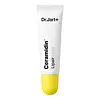
This barrier-repair lip moisturizer is formulated around Ceramide NP and Hippophae Rhamnoides Oil to strengthen the lip barrier and hydrate lips.
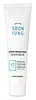
This barrier-repair moisturizer is formulated around Panthenol and Madecassoside to strengthen the skin barrier and hydrate skin.

What's inside
What's inside
 Key Ingredients
Benefits
Concerns
Ingredients Side-by-side
Phytosteryl/Isostearyl/Cetyl/Stearyl/Behenyl Dimer Dilinoleate
Skin Conditioning

Pentaerythrityl Tetraethylhexanoate
Emollient
Diisostearyl Malate
EmollientHydrogenated Polyisobutene
EmollientEthylhexyl Stearate
Emollient


Ceresin
Emulsion StabilisingMethyl Hydrogenated Rosinate
Perfuming

Tribehenin
Emollient
Silica Dimethyl Silylate
EmollientPolymethylsilsesquioxane

Vp/Hexadecene Copolymer
Ethylene/Propylene/Styrene Copolymer
Butylene/Ethylene/Styrene Copolymer
Ceramide NP
Skin Conditioning




Citrus Aurantium Bergamia Fruit Oil
Masking


Dehydroacetic Acid
Preservative
Hippophae Rhamnoides Oil
Emollient
Pelargonium Graveolens Flower Oil
Masking
Salvia Officinalis Oil
Masking
Pogostemon Cablin Leaf Oil
Masking
Water
Skin ConditioningDipropylene Glycol
HumectantHydrogenated Lecithin
Emulsifying
Cetyl-Pg Hydroxyethyl Palmitamide
Skin ConditioningPropanediol
Solvent
Glyceryl Stearate
Emollient
Sodium Hyaluronate Crosspolymer
Humectant

Ceramide Ns
Skin Conditioning
Hydrolyzed Glycosaminoglycans
HumectantGlycerin
Humectant
Sodium Hyaluronate
Humectant
Ceramide AP
Skin Conditioning
Ceramide As
Skin Conditioning
Benzyl Glycol
SolventHydrolyzed Hyaluronic Acid
Humectant
Cholesterol
Emollient
Ethylhexylglycerin
Skin ConditioningCeramide EOP
Skin Conditioning
Hyaluronic Acid
Humectant
Raspberry Ketone
Masking
Phytosteryl/Isostearyl/Cetyl/Stearyl/Behenyl Dimer Dilinoleate, Pentaerythrityl Tetraethylhexanoate, Diisostearyl Malate, Hydrogenated Polyisobutene, Ethylhexyl Stearate, Ceresin, Methyl Hydrogenated Rosinate, Tribehenin, Silica Dimethyl Silylate, Polymethylsilsesquioxane, Vp/Hexadecene Copolymer, Ethylene/Propylene/Styrene Copolymer, Butylene/Ethylene/Styrene Copolymer, Ceramide NP, Citrus Aurantium Bergamia Fruit Oil, Dehydroacetic Acid, Hippophae Rhamnoides Oil, Pelargonium Graveolens Flower Oil, Salvia Officinalis Oil, Pogostemon Cablin Leaf Oil, Water, Dipropylene Glycol, Hydrogenated Lecithin, Cetyl-Pg Hydroxyethyl Palmitamide, Propanediol, Glyceryl Stearate, Sodium Hyaluronate Crosspolymer, Ceramide Ns, Hydrolyzed Glycosaminoglycans, Glycerin, Sodium Hyaluronate, Ceramide AP, Ceramide As, Benzyl Glycol, Hydrolyzed Hyaluronic Acid, Cholesterol, Ethylhexylglycerin, Ceramide EOP, Hyaluronic Acid, Raspberry Ketone
Water
Skin ConditioningPropanediol
Solvent
Pentaerythrityl Tetraethylhexanoate
Emollient
Caprylic/Capric Triglyceride
Masking
Glycerin
Humectant
Helianthus Annuus Seed Oil
Emollient
Polyglyceryl-3 Methylglucose Distearate
Emulsifying
Butyrospermum Parkii Butter
Skin Conditioning
Cetearyl Alcohol
Emollient
Panthenol
Skin Conditioning
Madecassoside
Antioxidant

Camellia Sinensis Leaf Extract
Antimicrobial


Ceramide AP
Skin Conditioning
1,2-Hexanediol
Skin Conditioning
Potassium Carbomer
Emulsion StabilisingXanthan Gum
EmulsifyingButylene Glycol
Humectant
Disodium EDTA
ChelatingWater, Propanediol, Pentaerythrityl Tetraethylhexanoate, Caprylic/Capric Triglyceride, Glycerin, Helianthus Annuus Seed Oil, Polyglyceryl-3 Methylglucose Distearate, Butyrospermum Parkii Butter, Cetearyl Alcohol, Panthenol, Madecassoside, Camellia Sinensis Leaf Extract, Ceramide AP, 1,2-Hexanediol, Potassium Carbomer, Xanthan Gum, Butylene Glycol, Disodium EDTA
Reviews
Alternatives
Ingredients Explained
These ingredients are found in both products.
Ingredients higher up in an ingredient list are typically present in a larger amount.
Ceramide AP is is a skin-identical lipid that mimics what your skin already makes naturally. Ceramides help maintain epidermal integrity and barrier function.
You'll often see this ingredient paired with other ceramides (like ceramide NP), cholesterol, or fatty acids because this combination best mimics the natural lipid mix your skin already has.
The skin's ability to produce ceramides gets disrupted in skin conditions like eczema. This in turn weakens the skin barrier and applying ceramides topically has been shown to replenish what's been lost to restore barrier function.
Most of the studies with Ceramide AP test it as part of a multi-ceramide complex; studies reinforce ceramide AP's role in rebalancing ceramides in skin and improving skin hydration.
Learn more about Ceramide APGlycerin (or glycerol) is a compound naturally found in your skin. It's a powerhouse humectant that pulls water into the stratum corneum.
Topically, glycerin does several things at once:
Your skin makes glycerin on its own (mostly from sebaceous oil breakdown) and shuttles it to your outermost layer of skin, or your epidermis, via aquaporin-3.
Aquaporin-3 is a transporter that is essential for normal skin hydration, elasticity, and repair. Interestingly, mice lacking in AQP3 have dry and less elastic skin that can be fully corrected with glycerin.
This ingredient is non-irritating, plays well with almost every ingredient, and works across all skin types. Typical use is anywhere between 3-10% but can go up to 79% in some leave-on products.
Just know very high concentrations (>40%) can feel tacky in low humidity.
Glycerin is the name for this ingredient in American English. British English uses Glycerol/Glycerine.
Learn more about GlycerinPentaerythrityl Tetraethylhexanoate is an emollient that helps make your skin smooth and hydrated. It specializes in creating a non-oily and "wet" feeling on skin.
This ingredient comes from isostearic acid, a saturated fatty acid. It is a synthetic ingredient.
Propanediol is an all-star ingredient. It softens, hydrates, and smooths the skin.
It’s often used to:
Propanediol is not likely to cause sensitivity and considered safe to use. It is derived from corn or petroleum with a clear color and no scent.
Learn more about PropanediolWater. It's the most common cosmetic ingredient of all. You'll usually see it at the top of ingredient lists, meaning that it makes up the largest part of the product.
So why is it so popular? Water most often acts as a solvent - this means that it helps dissolve other ingredients into the formulation.
You'll also recognize water as that liquid we all need to stay alive. If you see this, drink a glass of water. Remember to stay hydrated!
Learn more about Water

