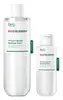
This calming toner is formulated around Niacinamide and Centella Asiatica Leaf Extract to calm redness and strengthen the skin barrier.
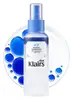
This calming toner is formulated around Allantoin and Madecassoside to calm redness and hydrate skin.

What's inside
What's inside
 Key Ingredients
Benefits
Concerns
Ingredients Side-by-side
Water
Skin ConditioningChamaecyparis Obtusa Water
MaskingPropanediol
Solvent

Butylene Glycol
Humectant
Glycerin
Humectant
1,2-Hexanediol
Skin Conditioning
Niacinamide
Smoothing









Erythritol
Humectant
Pentylene Glycol
Skin Conditioning
Streptococcus Thermophilus Ferment
Humectant

Saccharomyces Ferment Filtrate
Humectant
Zea Mays Starch
Absorbent
Pyrus Malus Juice
Skin ConditioningVincetoxicum Atratum Extract
Skin ConditioningCentella Asiatica Leaf Extract
Skin Conditioning
Bifida Ferment Filtrate
Skin Conditioning
Lactobacillus Ferment
Skin Conditioning
Centella Asiatica Flower/Leaf/Stem Extract
Skin Conditioning
Centella Asiatica Root Extract
Skin Conditioning
Althaea Rosea Flower Extract
Skin ConditioningMentha Piperita Leaf Water
Skin ConditioningCentella Asiatica Extract
Cleansing
Panthenol
Skin Conditioning
Gellan Gum
Allantoin
Skin Conditioning
Betaine
Humectant
Hydroxyacetophenone
Antioxidant
Calcium Chloride
AstringentSodium Chloride
MaskingAdenosine
Skin Conditioning
Dehydroxanthan Gum
Emulsion StabilisingMandelic Acid
Antimicrobial

Trehalose
Humectant
Cellulose Gum
Emulsion StabilisingSodium Citrate
BufferingMethyl Diisopropyl Propionamide
MaskingCeramide NP
Skin Conditioning
Sorbitol
Humectant
Stearic Acid
Cleansing
Hydrogenated Lecithin
Emulsifying
Silica
Abrasive
Ethylhexylglycerin
Skin ConditioningAlbatrellus Confluens Extract
Humectant
Beta-Glucan
Skin Conditioning
Madecassoside
Antioxidant
Asiaticoside
Antioxidant
Madecassic Acid
Skin Conditioning
Asiatic Acid
Skin Conditioning
Water, Chamaecyparis Obtusa Water, Propanediol, Butylene Glycol, Glycerin, 1,2-Hexanediol, Niacinamide, Erythritol, Pentylene Glycol, Streptococcus Thermophilus Ferment, Saccharomyces Ferment Filtrate, Zea Mays Starch, Pyrus Malus Juice, Vincetoxicum Atratum Extract, Centella Asiatica Leaf Extract, Bifida Ferment Filtrate, Lactobacillus Ferment, Centella Asiatica Flower/Leaf/Stem Extract, Centella Asiatica Root Extract, Althaea Rosea Flower Extract, Mentha Piperita Leaf Water, Centella Asiatica Extract, Panthenol, Gellan Gum, Allantoin, Betaine, Hydroxyacetophenone, Calcium Chloride, Sodium Chloride, Adenosine, Dehydroxanthan Gum, Mandelic Acid, Trehalose, Cellulose Gum, Sodium Citrate, Methyl Diisopropyl Propionamide, Ceramide NP, Sorbitol, Stearic Acid, Hydrogenated Lecithin, Silica, Ethylhexylglycerin, Albatrellus Confluens Extract, Beta-Glucan, Madecassoside, Asiaticoside, Madecassic Acid, Asiatic Acid
Water
Skin ConditioningCaprylic/Capric Triglyceride
Masking
Butylene Glycol
Humectant
1,2-Hexanediol
Skin Conditioning
Erythritol
Humectant
Xylitol
Humectant
Allantoin
Skin Conditioning
Sodium Chloride
MaskingTrehalose
Humectant
Ethylhexylglycerin
Skin ConditioningCaprylyl Glycol
Emollient
Tocopheryl Acetate
Antioxidant
Sodium Citrate
BufferingGuaiazulene
Antimicrobial

Citric Acid
Buffering
Ectoin
Skin Conditioning
Madecassoside
Antioxidant
Rosa Canina Fruit Oil
Emollient
Bisabolol
Antioxidant
Sodium Hyaluronate Crosspolymer
Humectant
Sh-Oligopeptide-1
Skin Conditioning
Sh-Polypeptide-1
Skin Conditioning
Vaccinium Vitis-Idaea Fruit Extract
Antioxidant
Zinc PCA
Humectant
Water, Caprylic/Capric Triglyceride, Butylene Glycol, 1,2-Hexanediol, Erythritol, Xylitol, Allantoin, Sodium Chloride, Trehalose, Ethylhexylglycerin, Caprylyl Glycol, Tocopheryl Acetate, Sodium Citrate, Guaiazulene, Citric Acid, Ectoin, Madecassoside, Rosa Canina Fruit Oil, Bisabolol, Sodium Hyaluronate Crosspolymer, Sh-Oligopeptide-1, Sh-Polypeptide-1, Vaccinium Vitis-Idaea Fruit Extract, Zinc PCA
Ingredients Explained
These ingredients are found in both products.
Ingredients higher up in an ingredient list are typically present in a larger amount.
1,2-Hexanediol is a synthetic liquid and another multi-functional powerhouse.
It is a:
- Humectant, drawing moisture into the skin
- Emollient, helping to soften skin
- Solvent, dispersing and stabilizing formulas
- Preservative booster, enhancing the antimicrobial activity of other preservatives
Allantoin is a soothing ingredient known for its protective and moisturizing properties; it's basically a quiet workhorse ingredient you can find in a huge range of cosmetics.
Though it can be derived from the comfrey plant, allantoin is produced synthetically for cosmetic products to ensure purity.
Research shows it can encourage your skin cells to turn over and renew by stimulating keratinocyte and fibroblast proliferation.
It also has mild keratolytic properties to help loosen and shed dead skin cells without being harsh.
Studies also suggest allantoin can help calm inflammation by dialing down some of the chemical signals your skin sends out when it is irritated.
This ingredient is typically used in the 0.1-0.5% range, and the FDA recognizes it as a skin protectant in OTC products up to 2%.
Overall, allantoin is a wonderful addition to most routines; it is stable across a wide pH range (~4-8), works well with other ingredients, and is considered non-sensitizing/non-irritating.
Fun fact: Allantoin is naturally occurring in comfrey root, beets, chamomile, and wheat sprouts. Our bodies even produce it as a byproduct of uric acid metabolism.
Learn more about AllantoinButylene Glycol (or BG) is used within cosmetic products for a few different reasons:
Overall, Butylene Glycol is a safe and well-rounded ingredient that works well with other ingredients.
Though this ingredient works well with most skin types, some people with sensitive skin may experience a reaction such as allergic rashes, closed comedones, or itchiness.
Learn more about Butylene GlycolYou might know this ingredient as a sugar substitute in foods. It is a sugar alcohol with humectant properties.
Humectants attract water to your skin (like glycerin or hyaluronic acid).
Fun fact: Erythritol can be naturally found in some fermented foods.
Learn more about ErythritolEthylhexylglycerin is created from glycerin. It is a multitasker ingredient that:
The CIR Expert Panel found minimal skin absorption or sensitization of any kind in a safety assessment. Though this ingredient is considered well-tolerated, a small number of cases of allergic dermatitis have been published since 2002. Just be sure to patch test if you are unsure.
Industry-reported use ranges from 8% in rinse-off products and 2% in leave-on formulations.
Learn more about EthylhexylglycerinMadecassoside is one of four active compounds found in Centella asiatica and is one of the main reasons Centella is so effective at calming irritated skin and supporting the moisture barrier.
There's a solid body of peer-reviewed research backing Madecassoside for several skin benefits. Studies have found:
Madecassoside pairs well with other hydrating or antioxidant ingredients like Ascorbic Acid or Hyaluronic Acid.
Learn more about MadecassosideChances are, you eat sodium chloride every day. Sodium Chloride is also known as table salt. This ingredient has many purposes in skincare: thickener, emulsifier, and exfoliator.
You'll most likely find this ingredient in cleansers where it is used to create a gel-like texture. As an emulsifier, it also prevents ingredients from separating.
You might see people debate whether Sodium Chloride is comedogenic, but there actually haven't been any comedogenic tests done on it. Either way, the overall formulation of a product matters a lot more than any single ingredient.
You might see this ingredient used in scrubs as a primary exfoliating ingredient.
Learn more about Sodium ChlorideSodium Citrate is the sodium salts of citric acid. In skincare, it is used to alter pH levels and acts as a preservative.
Its main functions are to maintain the pH of a product and neutralize metal ions.
The acidity of our skin is maintained by our glands and skin biome; normal pH level of skin is slightly acidic (~4.75-5.5).
Being slightly acidic allows our skin to create an "acid mantle". This acid mantle is a thin barrier that protects our skin from bacteria and contaminants.
Learn more about Sodium CitrateTrehalose is a disaccharide made of two glucose molecules (glucose is sugar!). Trehalose is used to help moisturize skin. It also has antioxidant properties.
As a humectant, trehalose helps draw moisture from the air to your skin. This helps keep your skin hydrated.
Due to its antioxidant properties, trehalose may help with signs of aging. Antioxidants help fight free-radical molecules, unstable molecules that may damage your skin.
In medicine, trehalose and hyaluronic acid are used to help treat dry eyes.
Some animals, plants, and bacteria create trehalose as a source of energy to survive freeze or lack of water.
Learn more about TrehaloseWater. It's the most common cosmetic ingredient of all. You'll usually see it at the top of ingredient lists, meaning that it makes up the largest part of the product.
So why is it so popular? Water most often acts as a solvent - this means that it helps dissolve other ingredients into the formulation.
You'll also recognize water as that liquid we all need to stay alive. If you see this, drink a glass of water. Remember to stay hydrated!
Learn more about Water

