

What's inside
What's inside
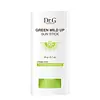 Key Ingredients
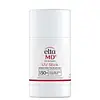
Benefits
Concerns
Ingredients Side-by-side
Octyldodecanol
Emollient
Zinc Oxide
Cosmetic Colorant


Cetyl Ethylhexanoate
EmollientBenzotriazolyl Dodecyl P-Cresol
UV AbsorberCoco-Caprylate/Caprate
Emollient
C12-15 Alkyl Benzoate
AntimicrobialIsopropyl Palmitate
Emollient

Acrylates Copolymer
Butylene Glycol Dicaprylate/Dicaprate
EmollientSilica Silylate
EmollientDibutyl Lauroyl Glutamide
Skin ConditioningDibutyl Ethylhexanoyl Glutamide
Skin ConditioningCaprylic/Capric Triglyceride
Masking
Butyloctyl Salicylate
Skin Conditioning
Dextrin Palmitate
Emulsifying
Vinyldimethicone

Vinyl Dimethicone/Methicone Silsesquioxane Crosspolymer
Centella Asiatica Extract
Cleansing



Mentha Viridis Extract
MaskingPinus Pinaster Bark Extract
Antioxidant
Caesalpinia Spinosa Fruit Extract
Skin ProtectingKappaphycus Alvarezii Extract
Skin ConditioningBuddleja Officinalis Flower Extract
UV FilterCamellia Sinensis Leaf Extract
Antimicrobial
Ginkgo Biloba Leaf Extract
Skin Conditioning
Camellia Japonica Leaf Extract
Skin ConditioningEruca Sativa Leaf Extract
Skin ConditioningTriticum Vulgare Sprout Extract
Skin ConditioningBrassica Oleracea Italica Sprout Extract
EmollientMedicago Sativa Extract
TonicGlyceryl Caprylate
EmollientTriethoxycaprylylsilane
Polyhydroxystearic Acid
Emulsifying
Polyglyceryl-6 Polyricinoleate
Emulsifying
Tocopherol
Antioxidant

Water
Skin Conditioning7-Dehydrocholesterol
Emulsion StabilisingEctoin
Skin Conditioning
Propanediol
Solvent
Butylene Glycol
Humectant
Lactobacillus Ferment
Skin Conditioning
1,2-Hexanediol
Skin Conditioning
Parfum
Masking


Octyldodecanol, Zinc Oxide, Cetyl Ethylhexanoate, Benzotriazolyl Dodecyl P-Cresol, Coco-Caprylate/Caprate, C12-15 Alkyl Benzoate, Isopropyl Palmitate, Acrylates Copolymer, Butylene Glycol Dicaprylate/Dicaprate, Silica Silylate, Dibutyl Lauroyl Glutamide, Dibutyl Ethylhexanoyl Glutamide, Caprylic/Capric Triglyceride, Butyloctyl Salicylate, Dextrin Palmitate, Vinyldimethicone, Vinyl Dimethicone/Methicone Silsesquioxane Crosspolymer, Centella Asiatica Extract, Mentha Viridis Extract, Pinus Pinaster Bark Extract, Caesalpinia Spinosa Fruit Extract, Kappaphycus Alvarezii Extract, Buddleja Officinalis Flower Extract, Camellia Sinensis Leaf Extract, Ginkgo Biloba Leaf Extract, Camellia Japonica Leaf Extract, Eruca Sativa Leaf Extract, Triticum Vulgare Sprout Extract, Brassica Oleracea Italica Sprout Extract, Medicago Sativa Extract, Glyceryl Caprylate, Triethoxycaprylylsilane, Polyhydroxystearic Acid, Polyglyceryl-6 Polyricinoleate, Tocopherol, Water, 7-Dehydrocholesterol, Ectoin, Propanediol, Butylene Glycol, Lactobacillus Ferment, 1,2-Hexanediol, Parfum
Zinc Oxide 22%
Cosmetic Colorant
Caprylic/Capric Triglyceride
Masking
Helianthus Annuus Seed Wax
Skin Conditioning
Cetearyl Nonanoate
EmollientTheobroma Cacao Seed Butter
Emollient
Butyloctyl Salicylate
Skin Conditioning
Lauryl Laurate
Skin Conditioning
Polyhydroxystearic Acid
Emulsifying
Euphorbia Cerifera Wax
Capryloyl Glycerin/Sebacic Acid Copolymer
Skin ConditioningMica
Cosmetic Colorant
Behenyl Behenate
EmollientButyrospermum Parkii Butter
Skin Conditioning
Oryzanol
Skin ConditioningEthyl Ferulate
Antioxidant
Isostearic Acid
Cleansing
Lecithin
Emollient
Polyglyceryl-3 Polyricinoleate
Emulsifying
Bisabolol
Masking
Tocopherol
Antioxidant
Silica
Abrasive
Zinc Oxide 22%, Caprylic/Capric Triglyceride, Helianthus Annuus Seed Wax, Cetearyl Nonanoate, Theobroma Cacao Seed Butter, Butyloctyl Salicylate, Lauryl Laurate, Polyhydroxystearic Acid, Euphorbia Cerifera Wax, Capryloyl Glycerin/Sebacic Acid Copolymer, Mica, Behenyl Behenate, Butyrospermum Parkii Butter, Oryzanol, Ethyl Ferulate, Isostearic Acid, Lecithin, Polyglyceryl-3 Polyricinoleate, Bisabolol, Tocopherol, Silica
Reviews
Ingredients Explained
These ingredients are found in both products.
Ingredients higher up in an ingredient list are typically present in a larger amount.
Butyloctyl Salicylate is a chemical UV filter structurally similar to octisalate. It is a photostabilizer, SPF booster, emollient and solvent. This ingredient helps evenly spread out ingredients.
According to a manufacturer, it is suitable for pairing with micro Titanium Dioxide, Zinc Oxide, and pigments.
Photostabilizers help stabilize UV-filters and prevents them from degrading quickly.
Learn more about Butyloctyl SalicylateThis ingredient is an emollient, solvent, and texture enhancer. It is considered a skin-softener by helping the skin prevent moisture loss.
It helps thicken a product's formula and makes it easier to spread by dissolving clumping compounds.
Caprylic Triglyceride is made by combining glycerin with coconut oil, forming a clear liquid.
While there is an assumption Caprylic Triglyceride can clog pores due to it being derived from coconut oil, there is no research supporting this.
Learn more about Caprylic/Capric TriglyceridePolyhydroxystearic Acid is a soft wax made from castor oil.
It is is a texture thickener, emulsifier, and film-former. Emulsifiers prevent ingredients from separating, such as oils and waters.
Polyhydroxystearic Acid may not be fungal acne safe.
Learn more about Polyhydroxystearic AcidTocopherol (also known as Vitamin E) is a common antioxidant used to help protect the skin from free-radicals and strengthen the skin barrier. It's also fat soluble - this means our skin is great at absorbing it.
Vitamin E also helps keep your natural skin lipids healthy. Your lipid skin barrier naturally consists of lipids, ceramides, and fatty acids. Vitamin E offers extra protection for your skin’s lipid barrier, keeping your skin healthy and nourished.
Another benefit is a bit of UV protection. Vitamin E helps reduce the damage caused by UVB rays. (It should not replace your sunscreen). Combining it with Vitamin C can decrease sunburned cells and hyperpigmentation after UV exposure.
You might have noticed Vitamin E + C often paired together. This is because it is great at stabilizing Vitamin C. Using the two together helps increase the effectiveness of both ingredients.
There are often claims that Vitamin E can reduce/prevent scarring, but these claims haven't been confirmed by scientific research.
Learn more about TocopherolZinc Oxide is a mineral broad-spectrum UV filter; it is the broadest UVA and UVB reflector approved by the FDA. It also has skin protectant and skin soothing properties.
Zinc oxide is one of the most effective broad-spectrum UV filters. It protects against UVB, UVAII, and UVAI. In comparison to its counterpart titanium dioxide, zinc oxide provides uniform and extended UVA protection.
Another great benefit? This ingredient is highly photostable so it won't degrade easily under sunlight.
A common myth is that mineral UV filters are widely believed to primarily reflect UV light.
However, modern research shows titanium dioxide absorbs UV radiation like chemical filters (~95% absorption & 5% reflection).
Zinc oxide has great skin soothing properties so you'll likely find this in sunscreens formulated for sensitive skin or babies/children. It is unlikely to cause "eye sting" like other sunscreen ingredients.
Regulatory agencies consider zinc oxide to be non-toxic and safe. It has also been shown to not penetrate the skin.
Unfortunately, this ingredient does leave a visible white cast. This is why mineral sunscreens are often less cosmetically elegant than chemical or hybrid ones.
In cosmetics, zinc oxide can be found in both non-nano and nano-sized forms. The nano version is used to reduce white cast and improve the texture of sunscreen formulas.
There are ongoing concerns surrounding nano-zinc oxide's impact on marine ecosystems and whether it can be absorbed into skin.
Regarding marine ecosystems and coral reefs, there is no conclusive evidence that any form of zinc oxide (or any other sunscreen ingredients) will cause harm. The science is still developing but many consumers are keeping a close eye on this issue.
Please note, many destinations have reef-safety sunscreen rules. For instance, the U.S. Virgin Islands advises all visitors to use non-nano mineral sunscreens.
There has also been some stir about whether micronized or nano zinc oxide has potential photoxicity and absorption through the skin/lungs.
An in-vitro (done in a test tube or petri dish) study demonstrated micronized zinc oxide to have potential phototoxicity. There's no need to fret; the EU Commission's Scientific Committee on Consumer Safety has stated, "The relevance of these findings needs to be clarified by appropriate investigations in vivo." Or in other words, further studies done on living organisms are needed to prove this.
Current research shows zinc oxide nanoparticles do not penetrate intact or sunburned skin. They either remain on the surface or in the outermost layer of dead skin (stratum corneum).
Zinc oxide is one of only two classified mineral UV filters with titanium dioxide being the other one.
Fun fact: Zinc has been used throughout history as an ingredient in paint and medicine. An Indian text from 500BC is believed to list zinc oxide as a salve for open wound. The Ancient Greek physician Dioscorides has also mentioned the use of zinc as an ointment in 1AD.
Learn more about Zinc Oxide
