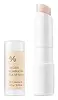
This barrier-repair lip moisturizer is formulated around Squalane and Butyrospermum Parkii Butter to strengthen the lip barrier and hydrate lips.
This barrier-repair lip moisturizer is formulated around Butyrospermum Parkii Butter and Rosa Canina Fruit Oil to strengthen the lip barrier and hydrate lips.

What's inside
What's inside
 Key Ingredients
Benefits
Concerns
Ingredients Side-by-side
Polyglyceryl-2 Triisostearate
Emulsifying

Squalane
Emollient


Bis-Diglyceryl Polyacyladipate-2
Emollient
Caprylic/Capric Triglyceride
Masking
Octyldodecanol
Emollient
Phytosteryl/Isostearyl/Cetyl/Stearyl/Behenyl Dimer Dilinoleate
Skin Conditioning
Synthetic Wax
Abrasive

Octyldodecyl Stearoyl Stearate
Emollient
Polyhydroxystearic Acid
Emulsifying
Butyrospermum Parkii Butter
Skin Conditioning

Ethylene/Propylene Copolymer
Abrasive
Copernicia Cerifera Wax
Eclipta Prostrata Extract
Skin Conditioning
Eclipta Prostrata Leaf Extract
Skin ConditioningEuphorbia Cerifera Wax
Moringa Oleifera Seed Oil
Emollient
Water
Skin ConditioningMelia Azadirachta Leaf Extract
Skin ConditioningMelia Azadirachta Flower Extract
Skin ConditioningButylene Glycol
Humectant
Anemarrhena Asphodeloides Root Extract
Skin Conditioning
Ceramide NP
Skin Conditioning

Citric Acid
Buffering

Ocimum Sanctum Leaf Extract
Skin ConditioningCandida Bombicola/Glucose/Methyl Rapeseedate Ferment
AntimicrobialCorallina Officinalis Extract
Skin Conditioning
Oryza Sativa Germ Oil
Emollient
Camellia Sinensis Leaf Extract
Antimicrobial


Saccharomyces Ferment Filtrate
Humectant
Schisandra Chinensis Fruit Extract
Skin Conditioning
1,2-Hexanediol
Skin Conditioning
Polyglyceryl-2 Triisostearate, Squalane, Bis-Diglyceryl Polyacyladipate-2, Caprylic/Capric Triglyceride, Octyldodecanol, Phytosteryl/Isostearyl/Cetyl/Stearyl/Behenyl Dimer Dilinoleate, Synthetic Wax, Octyldodecyl Stearoyl Stearate, Polyhydroxystearic Acid, Butyrospermum Parkii Butter, Ethylene/Propylene Copolymer, Copernicia Cerifera Wax, Eclipta Prostrata Extract, Eclipta Prostrata Leaf Extract, Euphorbia Cerifera Wax, Moringa Oleifera Seed Oil, Water, Melia Azadirachta Leaf Extract, Melia Azadirachta Flower Extract, Butylene Glycol, Anemarrhena Asphodeloides Root Extract, Ceramide NP, Citric Acid, Ocimum Sanctum Leaf Extract, Candida Bombicola/Glucose/Methyl Rapeseedate Ferment, Corallina Officinalis Extract, Oryza Sativa Germ Oil, Camellia Sinensis Leaf Extract, Saccharomyces Ferment Filtrate, Schisandra Chinensis Fruit Extract, 1,2-Hexanediol
Diisostearyl Malate
EmollientCaprylic/Capric Triglyceride
Masking
Polyglyceryl-2 Isostearate
Emulsifying
Hydrogenated Polyisobutene
EmollientOctyldodecanol
Emollient
Butyrospermum Parkii Butter
Skin Conditioning
Microcrystalline Wax
Emulsion StabilisingPolyethylene
Abrasive
Ceresin
Emulsion Stabilising1,2-Hexanediol
Skin Conditioning
Ethylhexylglycerin
Skin ConditioningPhenoxyethanol
Preservative
Glycerin
Humectant
Tocopheryl Acetate
Antioxidant
Rosa Canina Fruit Oil
Emollient
Prunus Armeniaca Kernel Oil
Masking
Persea Gratissima Oil
Skin Conditioning
Macadamia Ternifolia Seed Oil
Emollient
Butylene Glycol
Humectant
Water
Skin ConditioningPropylene Glycol
Humectant
Hydrogenated Lecithin
Emulsifying
Ceramide NP
Skin Conditioning
Anemarrhena Asphodeloides Root Extract
Skin Conditioning
CI 45410
Cosmetic ColorantParfum
Masking


Diisostearyl Malate, Caprylic/Capric Triglyceride, Polyglyceryl-2 Isostearate, Hydrogenated Polyisobutene, Octyldodecanol, Butyrospermum Parkii Butter, Microcrystalline Wax, Polyethylene, Ceresin, 1,2-Hexanediol, Ethylhexylglycerin, Phenoxyethanol, Glycerin, Tocopheryl Acetate, Rosa Canina Fruit Oil, Prunus Armeniaca Kernel Oil, Persea Gratissima Oil, Macadamia Ternifolia Seed Oil, Butylene Glycol, Water, Propylene Glycol, Hydrogenated Lecithin, Ceramide NP, Anemarrhena Asphodeloides Root Extract, CI 45410, Parfum
Reviews
Ingredients Explained
These ingredients are found in both products.
Ingredients higher up in an ingredient list are typically present in a larger amount.
1,2-Hexanediol is a synthetic liquid and another multi-functional powerhouse.
It is a:
- Humectant, drawing moisture into the skin
- Emollient, helping to soften skin
- Solvent, dispersing and stabilizing formulas
- Preservative booster, enhancing the antimicrobial activity of other preservatives
This ingredient is more commonly known as Zhi Mu root. You might see this ingredient listed under 'Volufiline' products.
That's because 'Volufiline' is comprised of this ingredient and Hydrogenated Polyisobutene.
Zhi Mu root is rich in sarsasapogenin. This compound has anti-inflammatory and soothing properties.
It is commonly used in East Asian medicine.
Learn more about Anemarrhena Asphodeloides Root ExtractButylene Glycol (or BG) is used within cosmetic products for a few different reasons:
Overall, Butylene Glycol is a safe and well-rounded ingredient that works well with other ingredients.
Though this ingredient works well with most skin types, some people with sensitive skin may experience a reaction such as allergic rashes, closed comedones, or itchiness.
Learn more about Butylene GlycolThis ingredient is also known as shea butter. It is a plant-derived extract from the nuts of the Africa shea tree and one of the most well-studied emollients.
Because it has a high concentration of fatty acids (primarily oleic, stearic, and linoleic) it is able to form a protective barrier on the skin's surface. This helps seal in moisture and prevents transepidermal water loss (TEWL).
In vitro research found an increase in skin hydration by 58% and a decrease in TEWL by 37.8% after 24 hours of applying this ingredient (pretty impressive for a single ingredient!).
Besides hydration, shea butter also contains triterpenes that have anti-inflammatory potential. In particule, lupeol cinnamate has shown the highest anti-inflammatory activity in vivo.
Shea butter also contains vitamins A and E which may contribute to antioxidant activity.
While Shea Butter has an SPF rating of about 3-4, it is not a sunscreen replacement.
This ingredient may not be fungal acne safe because its fatty acids fall within the C11-C24 range that the Malassezia yeast can metabolize.
This ingredient shows up on a lot of "pore-clogging" lists but there's no real evidence behind that. It doesn't even have a comedogenic rating from an actual study; the numbers you'll find online come from blogs citing other blogs.
Ratings for other ingredients mostly come from a 1980s rabbit ear test. This test doesn't translate well to human skin or to real products because the ingredient sits at a much lower percentage.
Some people still find it breaks them out. So if that's you, definitely trust your skin. Just know this one's based on experience and not evidence.
Learn more about Butyrospermum Parkii ButterCaprylic/Capric Triglyceride (aka MCT Oil) is a lightweight emollient, solvent, and texture enhancer. It is considered a skin-softener by helping to prevent moisture loss.
Though it behaves like an oil, it is not technically one due to its chemical composition. One perk of this ingredient is that it is very stable, resistant to oxidation, and unlikely to go rancid.
In practice, that translates to a long shelf life and a consistently elegant skin feel.
While there is an assumption Caprylic Triglyceride can clog pores due to it being derived from coconut oil, there is no research supporting this. Just patch test if you have concerns.
Fractionated coconut oil and MCT Oil are both listed as Caprylic/Capric Triglyceride according to INCI. This is because INCI names are based on the ingredient’s final chemical composition and not its marketing name or source.
This ingredient is treated as the gold standard fungal acne safe oil. Even though it is coconut derived, the problematic lauric acid is stripped out.
This leaves just caprylic (C8) and capric (C10) acid. These chain lengths actually trend antifungal; a 2020 study found caprylic acid was enough to disrupt Malassezia furfur cell membrane, with a caprylic acid derivative damaging membrane structures at concentrations as low as 0.2%.
Learn more about Caprylic/Capric TriglycerideCeramide NP (formerly known as Ceramide 3) is one of the skin's naturally occurring lipids.
Since ceramides are the major lipid components of the skin, they are crucial for maintaining skin barrier and hydration. Ceramide NP most closely mirrors the dominant kind in human skin amongst ceramide subtypes.
This ceramide works by slotting into gaps within the stratum corneum's lipid matrix to limit trans-epidermal water loss (TEWL) and shield the skin against external irritants.
A study with 312 patients found that using a ceramide-containing routine for 4 weeks reduced the severity of atopic dermatitis by over 61%.
Another clinical study in subjects aged 60 and older found that a ceramide body wash and moisturizer improved skin dryness and itchy skin in 15 days.
Overall, ceramides are considered non-irritating and safety tests have found little to no observable adverse effects from using this ingredient.
Ceramide NP is usually sourced from plants (like soybean or rice bran), or produced synthetically.
Learn more about Ceramide NPOctyldodecanol is a fatty alcohol sourced from plant oils like coconut or palm (or made synthetically).
It is:
You'll likely see this in many BHA products because this is the go-to solvent for salicylic acid.
This ingredient is typically used at levels between 2-20%.
Regarding fungal acne:
In 2019, this ingredient was tested against multiple Malassezia species (the yeast that causes fungal acne) and showed no growth.
Water. It's the most common cosmetic ingredient of all. You'll usually see it at the top of ingredient lists, meaning that it makes up the largest part of the product.
So why is it so popular? Water most often acts as a solvent - this means that it helps dissolve other ingredients into the formulation.
You'll also recognize water as that liquid we all need to stay alive. If you see this, drink a glass of water. Remember to stay hydrated!
Learn more about Water


