This barrier-repair lip moisturizer is formulated around Squalane and Butyrospermum Parkii Butter to strengthen the lip barrier and hydrate lips.
This barrier-repair lip moisturizer is formulated around Asiaticoside and Cholesterol to strengthen the lip barrier and hydrate lips.

What's inside
What's inside
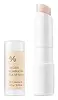 Key Ingredients
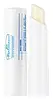
Benefits
Concerns
Ingredients Side-by-side
Polyglyceryl-2 Triisostearate
Emulsifying

Squalane
Emollient


Bis-Diglyceryl Polyacyladipate-2
Emollient
Caprylic/Capric Triglyceride
Masking
Octyldodecanol
Emollient
Phytosteryl/Isostearyl/Cetyl/Stearyl/Behenyl Dimer Dilinoleate
Skin Conditioning
Synthetic Wax
Abrasive

Octyldodecyl Stearoyl Stearate
Emollient
Polyhydroxystearic Acid
Emulsifying
Butyrospermum Parkii Butter
Skin Conditioning

Ethylene/Propylene Copolymer
Abrasive
Copernicia Cerifera Wax
Eclipta Prostrata Extract
Skin Conditioning
Eclipta Prostrata Leaf Extract
Skin ConditioningEuphorbia Cerifera Wax
Moringa Oleifera Seed Oil
Emollient
Water
Skin ConditioningMelia Azadirachta Leaf Extract
Skin ConditioningMelia Azadirachta Flower Extract
Skin ConditioningButylene Glycol
Humectant
Anemarrhena Asphodeloides Root Extract
Skin Conditioning
Ceramide NP
Skin Conditioning

Citric Acid
Buffering

Ocimum Sanctum Leaf Extract
Skin ConditioningCandida Bombicola/Glucose/Methyl Rapeseedate Ferment
AntimicrobialCorallina Officinalis Extract
Skin Conditioning
Oryza Sativa Germ Oil
Emollient
Camellia Sinensis Leaf Extract
Antimicrobial


Saccharomyces Ferment Filtrate
Humectant
Schisandra Chinensis Fruit Extract
Skin Conditioning
1,2-Hexanediol
Skin Conditioning
Polyglyceryl-2 Triisostearate, Squalane, Bis-Diglyceryl Polyacyladipate-2, Caprylic/Capric Triglyceride, Octyldodecanol, Phytosteryl/Isostearyl/Cetyl/Stearyl/Behenyl Dimer Dilinoleate, Synthetic Wax, Octyldodecyl Stearoyl Stearate, Polyhydroxystearic Acid, Butyrospermum Parkii Butter, Ethylene/Propylene Copolymer, Copernicia Cerifera Wax, Eclipta Prostrata Extract, Eclipta Prostrata Leaf Extract, Euphorbia Cerifera Wax, Moringa Oleifera Seed Oil, Water, Melia Azadirachta Leaf Extract, Melia Azadirachta Flower Extract, Butylene Glycol, Anemarrhena Asphodeloides Root Extract, Ceramide NP, Citric Acid, Ocimum Sanctum Leaf Extract, Candida Bombicola/Glucose/Methyl Rapeseedate Ferment, Corallina Officinalis Extract, Oryza Sativa Germ Oil, Camellia Sinensis Leaf Extract, Saccharomyces Ferment Filtrate, Schisandra Chinensis Fruit Extract, 1,2-Hexanediol
Phytosteryl/Isostearyl/Cetyl/Stearyl/Behenyl Dimer Dilinoleate
Skin Conditioning
Dipentaerythrityl Hexa C5-9 Acid Esters
Skin ConditioningHydrogenated Polyisobutene
EmollientPolyglyceryl-2 Triisostearate
Emulsifying
Diphenylsiloxy Phenyl Trimethicone
Skin Conditioning
Macadamia Seed Oil Polyglyceryl-6 Esters Behenate
Emollient
Ceresin
Emulsion StabilisingSynthetic Wax
Abrasive
Diisostearyl Malate
EmollientMyristica Fragrans Extract
MaskingCera Microcristallina
Emulsion StabilisingEthylene/Propylene Copolymer
Abrasive
Glycerin
Humectant
Quaternium-18 Bentonite
PEG-5 Phytosterol
Emulsifying1,2-Hexanediol
Skin Conditioning
Asiaticoside
Antioxidant
Cholesterol
Emollient
Dimethicone
Emollient
Ceramide NP
Skin Conditioning
Hydrogenated Lecithin
Emulsifying
Dipropylene Glycol
HumectantGlycereth-20
HumectantPEG-10 Rapeseed Sterol
CleansingGlyceryl Stearate
Emollient
Phytosphingosine
Skin Conditioning
Monarda Didyma Leaf Extract
Skin ConditioningWater
Skin ConditioningBetula Platyphylla Japonica Juice
Skin Conditioning
Salvia Officinalis Leaf Extract
CleansingCorchorus Olitorius Leaf Extract
Skin ConditioningEthylhexylglycerin
Skin ConditioningCI 77891
Cosmetic ColorantCI 77492
Cosmetic ColorantPhytosteryl/Isostearyl/Cetyl/Stearyl/Behenyl Dimer Dilinoleate, Dipentaerythrityl Hexa C5-9 Acid Esters, Hydrogenated Polyisobutene, Polyglyceryl-2 Triisostearate, Diphenylsiloxy Phenyl Trimethicone, Macadamia Seed Oil Polyglyceryl-6 Esters Behenate, Ceresin, Synthetic Wax, Diisostearyl Malate, Myristica Fragrans Extract, Cera Microcristallina, Ethylene/Propylene Copolymer, Glycerin, Quaternium-18 Bentonite, PEG-5 Phytosterol, 1,2-Hexanediol, Asiaticoside, Cholesterol, Dimethicone, Ceramide NP, Hydrogenated Lecithin, Dipropylene Glycol, Glycereth-20, PEG-10 Rapeseed Sterol, Glyceryl Stearate, Phytosphingosine, Monarda Didyma Leaf Extract, Water, Betula Platyphylla Japonica Juice, Salvia Officinalis Leaf Extract, Corchorus Olitorius Leaf Extract, Ethylhexylglycerin, CI 77891, CI 77492
Reviews
Ingredients Explained
These ingredients are found in both products.
Ingredients higher up in an ingredient list are typically present in a larger amount.
1,2-Hexanediol is a synthetic liquid and another multi-functional powerhouse.
It is a:
- Humectant, drawing moisture into the skin
- Emollient, helping to soften skin
- Solvent, dispersing and stabilizing formulas
- Preservative booster, enhancing the antimicrobial activity of other preservatives
Ceramide NP (formerly known as Ceramide 3) is one of the skin's naturally occurring lipids.
Since ceramides are the major lipid components of the skin, they are crucial for maintaining skin barrier and hydration. Ceramide NP most closely mirrors the dominant kind in human skin amongst ceramide subtypes.
This ceramide works by slotting into gaps within the stratum corneum's lipid matrix to limit trans-epidermal water loss (TEWL) and shield the skin against external irritants.
A study with 312 patients found that using a ceramide-containing routine for 4 weeks reduced the severity of atopic dermatitis by over 61%.
Another clinical study in subjects aged 60 and older found that a ceramide body wash and moisturizer improved skin dryness and itchy skin in 15 days.
Overall, ceramides are considered non-irritating and safety tests have found little to no observable adverse effects from using this ingredient.
Ceramide NP is usually sourced from plants (like soybean or rice bran), or produced synthetically.
Learn more about Ceramide NPEthylene/Propylene Copolymer is an exfoliant.
This is a plant-derived ester that functions as a skin conditioner. It's basically a two linoleic acid molecules combined with fatty alcohols.
In practice, it works as a rich emollient that helps reduce moisture loss and give skin a soft appearance.
The phytosterol part of this ingredient brings an added structural bonus: phytosterols are structurally similar to cholesterol so they can fit right into the stratum corneum's lipid matrix to help reinforce the skin barrier.
Due to its molecular structure, this ingredient delivers a cushiony and glossy feeling without being excessively greasy.
It did not produce skin irritation or sensitization in clinical studies, and this ingredient is deemed safe to use in cosmetics at current practices.
Because this ingredient contains C16, C18, and C22 fatty chains, it may not be Malassezia/fungal acne safe. The Malassezia yeast potentially feeds on fatty acids in the C11-C24 range.
Learn more about Phytosteryl/Isostearyl/Cetyl/Stearyl/Behenyl Dimer DilinoleatePolyglyceryl-2 Triisostearate is a plant-derived emulsifier and pigment-dispersing agent with a non-sticky skin feel.
It helps products glide on smoothly and prevents oil and water from separating in a formula, making it suitable for sunscreen and makeup formulations.
The EU inventory of cosmetics has no use restrictions on this ingredient and it is considered well-tolerated.
This ingredient may not be fungal acne safe because it is derived from isostearic acid.
Learn more about Polyglyceryl-2 TriisostearateSynthetic Wax is a manufactured hydrocarbon wax. In formulas, it works as an occlusive emollient that helps reduce water loss and improves the spreadability of products.
Research comparing synthetic wax to traditional mineral-derived products found that formulas containing it perform as well for skin hydration.
It is considered non-comedogenic and vegan-friendly.
This ingredient has a well-established safety record by the CIR Expert Panel for Cosmetic Ingredient Safety.
Synthetic Waxes are straight/branched-chain hydrocarbons with no ester bond or fatty acids. That means there is nothing for the Malassezia yeast to feed on.
Learn more about Synthetic WaxWater. It's the most common cosmetic ingredient of all. You'll usually see it at the top of ingredient lists, meaning that it makes up the largest part of the product.
So why is it so popular? Water most often acts as a solvent - this means that it helps dissolve other ingredients into the formulation.
You'll also recognize water as that liquid we all need to stay alive. If you see this, drink a glass of water. Remember to stay hydrated!
Learn more about Water


