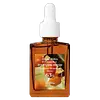
This brightening serum is formulated around Niacinamide and Tranexamic Acid to brighten dull-looking skin and fade the look of dark spots.
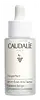
This brightening serum is formulated around Palmitoyl Grapevine Shoot Extract and Squalane to fade the look of dark spots and brighten dull-looking skin.


What's inside
What's inside
 Key Ingredients
Benefits
Concerns
Ingredients Side-by-side
Hippophae Rhamnoides Water
Masking
Centella Asiatica Leaf Water
Skin Conditioning


Niacinamide
Smoothing








Butylene Glycol
Humectant

1,2-Hexanediol
Skin Conditioning
Dipropylene Glycol
Humectant
Water
Skin ConditioningMethyl Gluceth-20
Humectant
Methylpropanediol
SolventBetaine
Humectant
Tranexamic Acid
Astringent
Glycerin
Humectant
Pentylene Glycol
Skin Conditioning
Propanediol
Solvent
Hydroxyethyl Urea
Humectant
Laminaria Japonica Extract
Skin Protecting
Eclipta Prostrata Leaf Extract
Skin ConditioningFicus Carica Fruit Extract
Humectant
Centella Asiatica Extract
Cleansing
Hydrogenated Lecithin
Emulsifying
Sodium Hyaluronate
Humectant
Carbomer
Emulsion Stabilising3-O-Ethyl Ascorbic Acid
Skin Conditioning
C12-14 Pareth-12
EmulsifyingAmmonium Acryloyldimethyltaurate/Vp Copolymer
Xanthan Gum
EmulsifyingTromethamine
BufferingPanthenol
Skin Conditioning
Ethylhexylglycerin
Skin Conditioning
Adenosine
Skin Conditioning
Disodium EDTA
Fructooligosaccharides
Humectant
Beta-Glucan
Skin Conditioning
Ascorbic Acid
Antioxidant
Hydrolyzed Hyaluronic Acid
Humectant
Ceramide NP
Skin Conditioning
Alpha-Arbutin
Antioxidant
Tocopherol
Antioxidant
Bifida Ferment Lysate
Skin Conditioning
Bisabolol
Antioxidant
Ubiquinone
Antioxidant
Hydroxydecyl Ubiquinone
Antioxidant
Sodium Acetylated Hyaluronate
Humectant
Hippophae Rhamnoides Water, Centella Asiatica Leaf Water, Niacinamide, Butylene Glycol, 1,2-Hexanediol, Dipropylene Glycol, Water, Methyl Gluceth-20, Methylpropanediol, Betaine, Tranexamic Acid, Glycerin, Pentylene Glycol, Propanediol, Hydroxyethyl Urea, Laminaria Japonica Extract, Eclipta Prostrata Leaf Extract, Ficus Carica Fruit Extract, Centella Asiatica Extract, Hydrogenated Lecithin, Sodium Hyaluronate, Carbomer, 3-O-Ethyl Ascorbic Acid, C12-14 Pareth-12, Ammonium Acryloyldimethyltaurate/Vp Copolymer, Xanthan Gum, Tromethamine, Panthenol, Ethylhexylglycerin, Adenosine, Disodium EDTA, Fructooligosaccharides, Beta-Glucan, Ascorbic Acid, Hydrolyzed Hyaluronic Acid, Ceramide NP, Alpha-Arbutin, Tocopherol, Bifida Ferment Lysate, Bisabolol, Ubiquinone, Hydroxydecyl Ubiquinone, Sodium Acetylated Hyaluronate
Water
Skin ConditioningButylene Glycol
Humectant
Glycerin
Humectant
Coco-Caprylate/Caprate
Emollient
Squalane
Emollient
Palmitoyl Grapevine Shoot Extract
Antioxidant
Polyglyceryl-3 Distearate
Emulsifying
Bisabolol
Antioxidant
Glyceryl Stearate
Emollient
Xanthan Gum
EmulsifyingCaprylyl Glycol
Emollient
Microcrystalline Cellulose
AbsorbentPolyacrylate Crosspolymer-6
Emulsion StabilisingPotassium Sorbate
Preservative

Glyceryl Stearate Citrate
Emollient
Citric Acid
Buffering
Sodium Phytate
Sodium Hydroxide
Buffering
Parfum
Masking
Water, Butylene Glycol, Glycerin, Coco-Caprylate/Caprate, Squalane, Palmitoyl Grapevine Shoot Extract, Polyglyceryl-3 Distearate, Bisabolol, Glyceryl Stearate, Xanthan Gum, Caprylyl Glycol, Microcrystalline Cellulose, Polyacrylate Crosspolymer-6, Potassium Sorbate, Glyceryl Stearate Citrate, Citric Acid, Sodium Phytate, Sodium Hydroxide, Parfum
Reviews
Ingredients Explained
These ingredients are found in both products.
Ingredients higher up in an ingredient list are typically present in a larger amount.
Bisabolol is a gentle skin conditioner, antioxidant, and soothing ingredient.
It's primary claim to fame is soothing and research shows topically applied bisabolol can quiet the chemical messengers that cause your skin to become inflamed, helping to sooth any irritation.
A clinical study found that applying 0.5% bisabolol daily for 8 weeks produced an average 9% decrease in skin pigmentation. Researchers found it can also suppress the process that leads to excess melanin production in skin.
In vitro studies found that bisabolol combined with propylene glycol significantly increased skin permeability by increasing lipid fluidity in the stratum corneum.
You'll likely see use concentrations quite low, usually 0.1-0.2%.
Overall, this is a well-tolerated ingredient that works well in formulas designed for sensitive, reactive, or post-procedure skin.
Learn more about BisabololButylene Glycol (or BG) is used within cosmetic products for a few different reasons:
Overall, Butylene Glycol is a safe and well-rounded ingredient that works well with other ingredients.
Though this ingredient works well with most skin types, some people with sensitive skin may experience a reaction such as allergic rashes, closed comedones, or itchiness.
Learn more about Butylene GlycolGlycerin (or glycerol) is a compound naturally found in your skin. It's a powerhouse humectant that pulls water into the stratum corneum.
Topically, glycerin does several things at once:
Your skin makes glycerin on its own (mostly from sebaceous oil breakdown) and shuttles it to your outermost layer of skin, or your epidermis, via aquaporin-3.
Aquaporin-3 is a transporter that is essential for normal skin hydration, elasticity, and repair. Interestingly, mice lacking in AQP3 have dry and less elastic skin that can be fully corrected with glycerin.
This ingredient is non-irritating, plays well with almost every ingredient, and works across all skin types. Typical use is anywhere between 3-10% but can go up to 79% in some leave-on products.
Just know very high concentrations (>40%) can feel tacky in low humidity.
Glycerin is the name for this ingredient in American English. British English uses Glycerol/Glycerine.
Learn more about GlycerinWater. It's the most common cosmetic ingredient of all. You'll usually see it at the top of ingredient lists, meaning that it makes up the largest part of the product.
So why is it so popular? Water most often acts as a solvent - this means that it helps dissolve other ingredients into the formulation.
You'll also recognize water as that liquid we all need to stay alive. If you see this, drink a glass of water. Remember to stay hydrated!
Learn more about WaterXanthan gum is used as a stabilizer and thickener within cosmetic products. It helps give products a sticky, thick feeling - preventing them from being too runny.
On the technical side of things, xanthan gum is a polysaccharide - a combination consisting of multiple sugar molecules bonded together.
Xanthan gum is a pretty common and great ingredient. It is a natural, non-toxic, non-irritating ingredient that is also commonly used in food products.
Learn more about Xanthan Gum

