
What's inside
What's inside
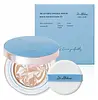 Key Ingredients
Benefits
Concerns
Ingredients Side-by-side
Water
Skin ConditioningTitanium Dioxide
Cosmetic Colorant

Ethylhexyl Methoxycinnamate
UV Absorber
Ethylhexyl Salicylate
UV Absorber
Dipropylene Glycol
HumectantPhenyl Trimethicone
Skin Conditioning
Cyclopentasiloxane
Emollient
Homosalate
Skin Conditioning
C30-45 Alkyldimethylsilyl Polypropylsilsesquioxane
Niacinamide
Smoothing











Vp/Hexadecene Copolymer
Ceresin
Emulsion StabilisingCyclohexasiloxane
Emollient
Glycereth-26
Humectant
Diisostearyl Malate
EmollientDiethylamino Hydroxybenzoyl Hexyl Benzoate
UV Filter
Sodium Chloride
MaskingAdansonia Digitata Seed Extract
Skin ConditioningCamellia Japonica Flower Extract
EmollientHyaluronic Acid
Humectant
Ceramide NP
Skin Conditioning
Hexapeptide-9
Skin Conditioning
Acetyl Hexapeptide-8
Humectant
Tripeptide-1
Skin Conditioning
Tripeptide-32
Skin Conditioning
Chitosan
Hydrogenated Lecithin
Emulsifying
Dimethicone
Emollient
Methyl Methacrylate Crosspolymer
Squalane
Emollient
Aluminum Hydroxide
EmollientAcrylates/Ethylhexyl Acrylate/Dimethicone Methacrylate Copolymer
Skin Conditioning
Glyceryl Caprylate
EmollientStearic Acid
Cleansing


Dimethicone/PEG-10/15 Crosspolymer
Cetyl PEG/PPG-10/1 Dimethicone
Emulsifying
Hexadecene
SolventTriethoxycaprylylsilane
Disodium Stearoyl Glutamate
CleansingAdenosine
Skin Conditioning
Glycerin
Humectant
Caprylic/Capric Triglyceride
Masking
Tripropylene Glycol
Antioxidant
Sodium Citrate
BufferingButylene Glycol
Humectant
Propylene Glycol
Humectant
1,2-Hexanediol
Skin Conditioning
Ethylhexylglycerin
Skin ConditioningTocopherol
Antioxidant
Tocopheryl Acetate
Antioxidant
Disodium EDTA
ChelatingBHT
Antioxidant
Phenoxyethanol
Preservative
Parfum
Masking

Ultramarines
CI 77492
Cosmetic ColorantCI 77491
Cosmetic ColorantCI 77499
Cosmetic ColorantWater, Titanium Dioxide, Ethylhexyl Methoxycinnamate, Ethylhexyl Salicylate, Dipropylene Glycol, Phenyl Trimethicone, Cyclopentasiloxane, Homosalate, C30-45 Alkyldimethylsilyl Polypropylsilsesquioxane, Niacinamide, Vp/Hexadecene Copolymer, Ceresin, Cyclohexasiloxane, Glycereth-26, Diisostearyl Malate, Diethylamino Hydroxybenzoyl Hexyl Benzoate, Sodium Chloride, Adansonia Digitata Seed Extract, Camellia Japonica Flower Extract, Hyaluronic Acid, Ceramide NP, Hexapeptide-9, Acetyl Hexapeptide-8, Tripeptide-1, Tripeptide-32, Chitosan, Hydrogenated Lecithin, Dimethicone, Methyl Methacrylate Crosspolymer, Squalane, Aluminum Hydroxide, Acrylates/Ethylhexyl Acrylate/Dimethicone Methacrylate Copolymer, Glyceryl Caprylate, Stearic Acid, Dimethicone/PEG-10/15 Crosspolymer, Cetyl PEG/PPG-10/1 Dimethicone, Hexadecene, Triethoxycaprylylsilane, Disodium Stearoyl Glutamate, Adenosine, Glycerin, Caprylic/Capric Triglyceride, Tripropylene Glycol, Sodium Citrate, Butylene Glycol, Propylene Glycol, 1,2-Hexanediol, Ethylhexylglycerin, Tocopherol, Tocopheryl Acetate, Disodium EDTA, BHT, Phenoxyethanol, Parfum, Ultramarines, CI 77492, CI 77491, CI 77499
Water
Skin ConditioningCyclopentasiloxane
Emollient
Potassium Azeloyl Diglycinate
Skin Conditioning
Polymethylsilsesquioxane
Silica
Abrasive
Glycerin
Humectant
Propanediol
Solvent
Vinyl Dimethicone/Methicone Silsesquioxane Crosspolymer
PEG-10 Dimethicone
Skin Conditioning
Dimethicone/Vinyl Dimethicone Crosspolymer
Skin Conditioning
Arginine
Masking
Butylene Glycol
Humectant
Sodium Acetylated Hyaluronate
Humectant
Allantoin
Skin Conditioning
Inositol
Humectant
Dipotassium Glycyrrhizate
Humectant
Ceramide NP
Skin Conditioning
Niacinamide
Smoothing
Panthenol
Skin Conditioning
Sodium Hyaluronate
Humectant
Hydrolyzed Hyaluronic Acid
Humectant
Phytic Acid
Chelating
Silver Oxide
AntimicrobialGlycylglycine
Enantia Chlorantha Bark Extract
Skin ConditioningSaccharomyces/Day Lily Flower Ferment Filtrate
Skin Conditioning
Saxifraga Sarmentosa Extract
Skin ConditioningOleanolic Acid
Skin ConditioningWater, Cyclopentasiloxane, Potassium Azeloyl Diglycinate, Polymethylsilsesquioxane, Silica, Glycerin, Propanediol, Vinyl Dimethicone/Methicone Silsesquioxane Crosspolymer, PEG-10 Dimethicone, Dimethicone/Vinyl Dimethicone Crosspolymer, Arginine, Butylene Glycol, Sodium Acetylated Hyaluronate, Allantoin, Inositol, Dipotassium Glycyrrhizate, Ceramide NP, Niacinamide, Panthenol, Sodium Hyaluronate, Hydrolyzed Hyaluronic Acid, Phytic Acid, Silver Oxide, Glycylglycine, Enantia Chlorantha Bark Extract, Saccharomyces/Day Lily Flower Ferment Filtrate, Saxifraga Sarmentosa Extract, Oleanolic Acid
Ingredients Explained
These ingredients are found in both products.
Ingredients higher up in an ingredient list are typically present in a larger amount.
Butylene Glycol (or BG) is used within cosmetic products for a few different reasons:
Overall, Butylene Glycol is a safe and well-rounded ingredient that works well with other ingredients.
Though this ingredient works well with most skin types, some people with sensitive skin may experience a reaction such as allergic rashes, closed comedones, or itchiness.
Learn more about Butylene GlycolCeramide NP (formerly known as Ceramide 3) is one of the skin's naturally occurring lipids.
Since ceramides are the major lipid components of the skin, they are crucial for maintaining skin barrier and hydration. Ceramide NP most closely mirrors the dominant kind in human skin amongst ceramide subtypes.
This ceramide works by slotting into gaps within the stratum corneum's lipid matrix to limit trans-epidermal water loss (TEWL) and shield the skin against external irritants.
A study with 312 patients found that using a ceramide-containing routine for 4 weeks reduced the severity of atopic dermatitis by over 61%.
Another clinical study in subjects aged 60 and older found that a ceramide body wash and moisturizer improved skin dryness and itchy skin in 15 days.
Overall, ceramides are considered non-irritating and safety tests have found little to no observable adverse effects from using this ingredient.
Ceramide NP is usually sourced from plants (like soybean or rice bran), or produced synthetically.
Learn more about Ceramide NPCyclopentasiloxane (D5) is a lightweight silicone that mostly acts as an emollient and solvent in cosmetics. Its the reason your products feel silky, fast-spreading, and non-greasy.
Since D5 is volatile, it does its thing and then evaporates off the skin quickly.
The safety profile of this ingredient is reassuring; the US CIR Expert Panel concluded D5 is safe as used in cosmetics and Health Canada concluded that D5 is not harmful to human health or the environment as currently used in cosmetics
There's a study that people mention about D5 in a rat study showing tumors. This study is related to long-term inhalation of high D5 levels.
Regulatory bodies have judged this study to be not applicable in topical skincare since skin absorption of D5 is very low and we're not really inhaling huge amounts of D5.
The only restriction for this ingredient is environmental. The European Chemicals Agency (ECHA) restricted D5 in wash-off cosmetics at or above 0.1% due to their persistence in water.
Learn more about CyclopentasiloxaneGlycerin (or glycerol) is a compound naturally found in your skin. It's a powerhouse humectant that pulls water into the stratum corneum.
Topically, glycerin does several things at once:
Your skin makes glycerin on its own (mostly from sebaceous oil breakdown) and shuttles it to your outermost layer of skin, or your epidermis, via aquaporin-3.
Aquaporin-3 is a transporter that is essential for normal skin hydration, elasticity, and repair. Interestingly, mice lacking in AQP3 have dry and less elastic skin that can be fully corrected with glycerin.
This ingredient is non-irritating, plays well with almost every ingredient, and works across all skin types. Typical use is anywhere between 3-10% but can go up to 79% in some leave-on products.
Just know very high concentrations (>40%) can feel tacky in low humidity.
Glycerin is the name for this ingredient in American English. British English uses Glycerol/Glycerine.
Learn more about GlycerinNiacinamide is a multitasking form of vitamin B3 that strengthens the skin barrier, reduces pores and dark spots, regulates oil, and improves signs of aging.
And the best part? It's gentle and well-tolerated by most skin types, including sensitive and reactive skin.
You might have heard of "niacin flush", or the reddening of skin that causes itchiness. Niacinamide has not been found to cause this.
In very rare cases, some individuals may not be able to tolerate niacinamide at all or experience an allergic reaction to it.
If you are experiencing flaking, irritation, and dryness with this ingredient, be sure to double check all your products as this ingredient can be found in all categories of skincare.
When incorporating niacinamide into your routine, look out for concentration amounts. Typically, 5% niacinamide provides benefits such as fading dark spots. However, if you have sensitive skin, it is better to begin with a smaller concentration.
When you apply niacinamide to your skin, your body converts it into nicotinamide adenine dinucleotide (NAD). NAD is an essential coenzyme that is already found in your cells as "fuel" and powers countless biological processes.
In your skin, NAD helps repair cell damage, produce new healthy cells, support collagen production, strengthen the skin barrier, and fight environmental stressors (like UV and pollution).
Our natural NAD levels start to decline with age, leading to slower skin repair, visible aging, and a weaker skin barrier. By providing your skin niacinamide, you're recharging your skin's NAD levels. This leads to stronger, healthier, and younger looking skin.
Another name for vitamin B3 is nicotinamide. This vitamin is water-soluble and our bodies don't store it. We obtain Vitamin B3 from either food or skincare. Meat, fish, wheat, yeast, and leafy greens contain vitamin B3.
The type of niacinamide used in skincare is synthetically created.
Learn more about NiacinamideWater. It's the most common cosmetic ingredient of all. You'll usually see it at the top of ingredient lists, meaning that it makes up the largest part of the product.
So why is it so popular? Water most often acts as a solvent - this means that it helps dissolve other ingredients into the formulation.
You'll also recognize water as that liquid we all need to stay alive. If you see this, drink a glass of water. Remember to stay hydrated!
Learn more about Water

