

What's inside
What's inside
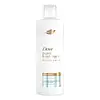 Key Ingredients
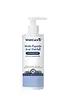
Benefits
Concerns
Ingredients Side-by-side
Water
Skin ConditioningSodium Laureth Sulfate
Cleansing



Sodium Chloride
MaskingSodium Gluconate
ChelatingCocamidopropyl Betaine
Cleansing

Dimethiconol
Emollient
Parfum
Masking

Glycerin
Humectant


Glycol Distearate
Emollient
Citric Acid
Buffering

Sodium Benzoate
Masking
Carbomer
Emulsion StabilisingTea-Dodecylbenzenesulfonate
CleansingGuar Hydroxypropyltrimonium Chloride
Skin ConditioningTea-Sulfate
BufferingSodium Hydroxide
BufferingMica
Cosmetic ColorantCocamide Mea
Emulsifying
Disodium EDTA
ChelatingPEG-45m
HumectantPhenoxyethanol
Preservative
Laureth-23
Cleansing
Triethanolamine
BufferingPPG-7
Skin ConditioningCocos Nucifera Oil
Masking

Hydroxypropyl Methylcellulose
Emulsion StabilisingPrunus Armeniaca Kernel Oil
Masking
Silica
Abrasive


Chenopodium Quinoa Seed Extract
Skin Conditioning
Hydrolyzed Cicer Seed Extract
Skin ProtectingLens Esculenta Seed Extract
Skin ProtectingHydrolyzed Yeast Protein
Skin ConditioningAlpha-Isomethyl Ionone
Perfuming
Citronellol
Perfuming
Citrus Aurantium Peel Oil
Dimethyl Phenylethyl Carbinyl Acetate
Perfuming
Hexyl Cinnamal
Perfuming
Limonene
Perfuming
Linalool
Perfuming
Tetramethyl Acetyloctahydronaphthalenes
Masking
CI 77891
Cosmetic ColorantWater, Sodium Laureth Sulfate, Sodium Chloride, Sodium Gluconate, Cocamidopropyl Betaine, Dimethiconol, Parfum, Glycerin, Glycol Distearate, Citric Acid, Sodium Benzoate, Carbomer, Tea-Dodecylbenzenesulfonate, Guar Hydroxypropyltrimonium Chloride, Tea-Sulfate, Sodium Hydroxide, Mica, Cocamide Mea, Disodium EDTA, PEG-45m, Phenoxyethanol, Laureth-23, Triethanolamine, PPG-7, Cocos Nucifera Oil, Hydroxypropyl Methylcellulose, Prunus Armeniaca Kernel Oil, Silica, Chenopodium Quinoa Seed Extract, Hydrolyzed Cicer Seed Extract, Lens Esculenta Seed Extract, Hydrolyzed Yeast Protein, Alpha-Isomethyl Ionone, Citronellol, Citrus Aurantium Peel Oil, Dimethyl Phenylethyl Carbinyl Acetate, Hexyl Cinnamal, Limonene, Linalool, Tetramethyl Acetyloctahydronaphthalenes, CI 77891
Water
Skin ConditioningCetearyl Alcohol
Emollient
Cetyl Alcohol
Emollient
Cetrimonium Chloride
Antimicrobial
Behentrimonium Chloride
Preservative
Glyceryl Stearate
Emollient
Sodium Lactate
Buffering
Aloe Barbadensis Leaf Extract
Emollient

Oryza Sativa Bran Water
Masking
Polyquaternium-10
PEG-150
HumectantGuar Hydroxypropyltrimonium Chloride
Skin ConditioningGlycerin
Humectant
Hydrogenated Castor Oil
Emollient
Caffeine
Skin Conditioning
Panax Ginseng Extract
Antioxidant
Curcuma Longa Root Extract
Antioxidant
Panthenol
Skin Conditioning
Rosmarinus Officinalis Leaf Oil
Masking
Biotinoyl Tripeptide-1

Lactic Acid
Buffering

Butylene Glycol
Humectant
Carbomer
Emulsion StabilisingPolysorbate 20
Emulsifying
Palmitoyl Tripeptide-1
Skin Conditioning
Palmitoyl Tetrapeptide-7
Skin Conditioning
Oligopeptide-2
Skin Conditioning
Sodium Hyaluronate
Humectant
Potassium Sorbate
Preservative
Sodium Benzoate
Masking
Water, Cetearyl Alcohol, Cetyl Alcohol, Cetrimonium Chloride, Behentrimonium Chloride, Glyceryl Stearate, Sodium Lactate, Aloe Barbadensis Leaf Extract, Oryza Sativa Bran Water, Polyquaternium-10, PEG-150, Guar Hydroxypropyltrimonium Chloride, Glycerin, Hydrogenated Castor Oil, Caffeine, Panax Ginseng Extract, Curcuma Longa Root Extract, Panthenol, Rosmarinus Officinalis Leaf Oil, Biotinoyl Tripeptide-1, Lactic Acid, Butylene Glycol, Carbomer, Polysorbate 20, Palmitoyl Tripeptide-1, Palmitoyl Tetrapeptide-7, Oligopeptide-2, Sodium Hyaluronate, Potassium Sorbate, Sodium Benzoate
Ingredients Explained
These ingredients are found in both products.
Ingredients higher up in an ingredient list are typically present in a larger amount.
Carbomer is a synthetic thickening and gelling agent. It's basically the ingredient that gives a lot of serums, gels, creams, and sunscreens their smooth, non-sticky texture.
Although legally permitted at very high levels, carbomers are normally used at concentrations below 1%.
It also needs to be neutralized to actually thicken, and because it is a large molecule, it doesn't really penetrate the skin barrier.
Allergy-wise, the risk is very low. Clinical studies show carbomers have low potential for skin irritation/sensitization even at concentrations up to 100%.
A 2024 UK study patch-tested 1,302 patients and found true allergy to the parent group of carbomer to be rare with no confirmed relevant reactions.
Learn more about CarbomerGlycerin (or glycerol) is a compound naturally found in your skin. It's a powerhouse humectant that pulls water into the stratum corneum.
Topically, glycerin does several things at once:
Your skin makes glycerin on its own (mostly from sebaceous oil breakdown) and shuttles it to your outermost layer of skin, or your epidermis, via aquaporin-3.
Aquaporin-3 is a transporter that is essential for normal skin hydration, elasticity, and repair. Interestingly, mice lacking in AQP3 have dry and less elastic skin that can be fully corrected with glycerin.
This ingredient is non-irritating, plays well with almost every ingredient, and works across all skin types. Typical use is anywhere between 3-10% but can go up to 79% in some leave-on products.
Just know very high concentrations (>40%) can feel tacky in low humidity.
Glycerin is the name for this ingredient in American English. British English uses Glycerol/Glycerine.
Learn more about GlycerinThis ingredient is derived from guar gum. It is a skin conditioning agent that creates a thin, breathable film to reduce water loss during cleansing.
This leaves the skin feeling soft rather than stripped and also contributes to a creamier lather.
Due to the large molecule size, this ingredient is unlikely to penetrate skin.
Learn more about Guar Hydroxypropyltrimonium ChlorideSodium Benzoate is a preservative. It's used in both cosmetic and food products to inhibit the growth of mold and bacteria. It is typically produced synthetically.
Both the US FDA and EU Health Committee have approved the use of sodium benzoate. In the US, levels of 0.1% (of the total product) are allowed.
Sodium benzoate works as a preservative by inhibiting the growth of bacteria inside of cells. It prevents the cell from fermenting a type of sugar using an enzyme called phosphofructokinase.
It is the salt of benzoic acid. Foods containing sodium benzoate include soda, salad dressings, condiments, fruit juices, wines, and snack foods.
Studies for using ascorbic acid and sodium benzoate in cosmetics are lacking, especially in skincare routines with multiple steps.
We always recommend speaking with a professional, such as a dermatologist, if you have any concerns.
Learn more about Sodium BenzoateWater. It's the most common cosmetic ingredient of all. You'll usually see it at the top of ingredient lists, meaning that it makes up the largest part of the product.
So why is it so popular? Water most often acts as a solvent - this means that it helps dissolve other ingredients into the formulation.
You'll also recognize water as that liquid we all need to stay alive. If you see this, drink a glass of water. Remember to stay hydrated!
Learn more about Water

