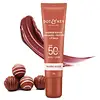
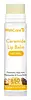
Dot & Key Skincare Barrier Repair Ceramide + Peptide Lip Balm SPF 50+ PA+++ Versus Wishcare Ceramide Lip Balm SPF 50
This barrier-repair lip moisturizer is formulated around Ricinus Communis Seed Oil and Ceramide NP to strengthen the lip barrier and hydrate lips.
This barrier-repair lip moisturizer is formulated around Niacinamide and Kojic Acid to strengthen the lip barrier and hydrate lips.

What's inside
What's inside
 Key Ingredients
Benefits
Concerns
Ingredients Side-by-side
Ricinus Communis Seed Oil
Masking




Bis-Diglyceryl Polyacyladipate-2
Emollient
Ethylhexyl Methoxycinnamate
UV Absorber


Diethylamino Hydroxybenzoyl Hexyl Benzoate
UV Filter
Hydrogenated Soy Polyglycerides
Skin ConditioningC15-23 Alkane
SolventHydrogenated Polyisobutene
EmollientSorbitan Olivate
Emulsifying
Ethylhexyl Triazone
UV Absorber
Colour
Laminaria Digitata Extract
Skin Protecting


Hydrogenated Lecithin
Emulsifying
Cetyl-Pg Hydroxyethyl Palmitamide
Skin ConditioningCeramide EOP
Skin Conditioning



Ceramide Ns
Skin Conditioning
Ceramide NP
Skin Conditioning
Ceramide As
Skin Conditioning
Ceramide AP
Skin Conditioning
Cholesterol
Emollient
1,2-Hexanediol
Skin Conditioning
Persea Gratissima Oil
Skin Conditioning
Water
Skin ConditioningAcetyl Hexapeptide-8
Humectant
Caprylyl Glycol
Emollient
Ascorbyl Palmitate
Antioxidant



Tocopheryl Acetate
Antioxidant
Butyrospermum Parkii Butter
Skin Conditioning
Theobroma Cacao Seed Butter
Emollient
Pentaerythrityl Tetra-Di-T-Butyl Hydroxyhydrocinnamate
Antioxidant
Sucralose
Skin ConditioningAroma

Phenoxyethanol
Preservative
Ricinus Communis Seed Oil, Bis-Diglyceryl Polyacyladipate-2, Ethylhexyl Methoxycinnamate, Diethylamino Hydroxybenzoyl Hexyl Benzoate, Hydrogenated Soy Polyglycerides, C15-23 Alkane, Hydrogenated Polyisobutene, Sorbitan Olivate, Ethylhexyl Triazone, Colour, Laminaria Digitata Extract, Hydrogenated Lecithin, Cetyl-Pg Hydroxyethyl Palmitamide, Ceramide EOP, Ceramide Ns, Ceramide NP, Ceramide As, Ceramide AP, Cholesterol, 1,2-Hexanediol, Persea Gratissima Oil, Water, Acetyl Hexapeptide-8, Caprylyl Glycol, Ascorbyl Palmitate, Tocopheryl Acetate, Butyrospermum Parkii Butter, Theobroma Cacao Seed Butter, Pentaerythrityl Tetra-Di-T-Butyl Hydroxyhydrocinnamate, Sucralose, Aroma, Phenoxyethanol
Ricinus Communis Seed Oil
Masking
Euphorbia Cerifera Wax
Cocos Nucifera Oil
Masking
Butyrospermum Parkii Butter
Skin Conditioning
Bis-Ethylhexyloxyphenol Methoxyphenyl Triazine
UV Absorber
Methylene Bis-Benzotriazolyl Tetramethylbutylphenol
UV Filter
Theobroma Cacao Seed Butter
Emollient
Prunus Amygdalus Dulcis Oil
Skin Conditioning
Daucus Carota Sativa Seed Oil
Emollient
Niacinamide
Smoothing





Kojic Acid
Antioxidant
Copernicia Cerifera Wax
Ceramide NP
Skin Conditioning
Ceramide AP
Skin Conditioning
Dicaprylyl Carbonate
EmollientCeramide EOP
Skin Conditioning
Cetearyl Olivate
Sorbitan Olivate
Emulsifying
Zinc Oxide
Cosmetic Colorant
Titanium Dioxide
Cosmetic Colorant
Caprylyl Methicone
Skin Conditioning
Tocopherol
Antioxidant
Glycyrrhiza Glabra Root Extract
Bleaching
Ricinus Communis Seed Oil, Euphorbia Cerifera Wax, Cocos Nucifera Oil, Butyrospermum Parkii Butter, Bis-Ethylhexyloxyphenol Methoxyphenyl Triazine, Methylene Bis-Benzotriazolyl Tetramethylbutylphenol, Theobroma Cacao Seed Butter, Prunus Amygdalus Dulcis Oil, Daucus Carota Sativa Seed Oil, Niacinamide, Kojic Acid, Copernicia Cerifera Wax, Ceramide NP, Ceramide AP, Dicaprylyl Carbonate, Ceramide EOP, Cetearyl Olivate, Sorbitan Olivate, Zinc Oxide, Titanium Dioxide, Caprylyl Methicone, Tocopherol, Glycyrrhiza Glabra Root Extract
Reviews
Ingredients Explained
These ingredients are found in both products.
Ingredients higher up in an ingredient list are typically present in a larger amount.
This ingredient is also known as shea butter. It is a plant-derived extract from the nuts of the Africa shea tree and one of the most well-studied emollients.
Because it has a high concentration of fatty acids (primarily oleic, stearic, and linoleic) it is able to form a protective barrier on the skin's surface. This helps seal in moisture and prevents transepidermal water loss (TEWL).
In vitro research found an increase in skin hydration by 58% and a decrease in TEWL by 37.8% after 24 hours of applying this ingredient (pretty impressive for a single ingredient!).
Besides hydration, shea butter also contains triterpenes that have anti-inflammatory potential. In particule, lupeol cinnamate has shown the highest anti-inflammatory activity in vivo.
Shea butter also contains vitamins A and E which may contribute to antioxidant activity.
While Shea Butter has an SPF rating of about 3-4, it is not a sunscreen replacement.
This ingredient may not be fungal acne safe because its fatty acids fall within the C11-C24 range that the Malassezia yeast can metabolize.
This ingredient shows up on a lot of "pore-clogging" lists but there's no real evidence behind that. It doesn't even have a comedogenic rating from an actual study; the numbers you'll find online come from blogs citing other blogs.
Ratings for other ingredients mostly come from a 1980s rabbit ear test. This test doesn't translate well to human skin or to real products because the ingredient sits at a much lower percentage.
Some people still find it breaks them out. So if that's you, definitely trust your skin. Just know this one's based on experience and not evidence.
Learn more about Butyrospermum Parkii ButterCeramide AP is is a skin-identical lipid that mimics what your skin already makes naturally. Ceramides help maintain epidermal integrity and barrier function.
You'll often see this ingredient paired with other ceramides (like ceramide NP), cholesterol, or fatty acids because this combination best mimics the natural lipid mix your skin already has.
The skin's ability to produce ceramides gets disrupted in skin conditions like eczema. This in turn weakens the skin barrier and applying ceramides topically has been shown to replenish what's been lost to restore barrier function.
Most of the studies with Ceramide AP test it as part of a multi-ceramide complex; studies reinforce ceramide AP's role in rebalancing ceramides in skin and improving skin hydration.
Learn more about Ceramide APCeramide EOP is formally known as Ceramide 1.
It is naturally found in skin and part of the intercellular "mortar" holding everything together in your outermost layer.
EOP stands for a linked Ester fatty acid, a linked Omega hydroxy fatty acid, and the Phytosphingosine base.
What makes Ceramide EOP special is its ultra-long fatty acid chain; this unique structure allows it to bridge the lipid layers in your skin barrier to prevent water loss (something no other ceramide can do).
Low levels of Ceramide EOP have been found in people with eczema and psoriasis.
Using it together with other ceramides, cholesterol, and linoleic acid have been shown to meaningfully improve hydration and reduce water loss.
In one clinical study, a regimen using Ceramide EOP, NP, and AP led to significant symptom improvements in patients with eczema, psoriasis, and dry skin in just 4 weeks.
You'll usually see concentrations between 0.1-0.5% in formulations. Overall, this is a well-tolerated and safe ingredient for cosmetic use.
Learn more about Ceramide EOPCeramide NP (formerly known as Ceramide 3) is one of the skin's naturally occurring lipids.
Since ceramides are the major lipid components of the skin, they are crucial for maintaining skin barrier and hydration. Ceramide NP most closely mirrors the dominant kind in human skin amongst ceramide subtypes.
This ceramide works by slotting into gaps within the stratum corneum's lipid matrix to limit trans-epidermal water loss (TEWL) and shield the skin against external irritants.
A study with 312 patients found that using a ceramide-containing routine for 4 weeks reduced the severity of atopic dermatitis by over 61%.
Another clinical study in subjects aged 60 and older found that a ceramide body wash and moisturizer improved skin dryness and itchy skin in 15 days.
Overall, ceramides are considered non-irritating and safety tests have found little to no observable adverse effects from using this ingredient.
Ceramide NP is usually sourced from plants (like soybean or rice bran), or produced synthetically.
Learn more about Ceramide NPThis ingredient is also known as castor oil. It is a skin conditioning ingredient.
The star component of castor oil is ricinoleic acid, an unusual fatty acid that makes up ~80-92% of its composition.
In skincare, it is an emollient that dries down to a solid film with water-binding properties. This helps keep skin hydrated and helps reduce transepidermal water loss (TEWL).
A 2026 dermatology review pulls together its broader uses:
Human clinical testing found this ingredient to be non-irritating and non-sensitizing.
Because castor oil contains fatty acids in the C11-24 range, this ingredient may not be fungal acne safe.
At this time, the literature does not support castor oil in regrowing hair. A 2022 systematic review found no strong evidence that it supports hair growth and only weak evidence that it improves hair shine.
Castor oil itself carries "perfuming" and "masking" function tags according to the official CosIng database. This is because of its mild odor and odor-dampening properties.
Learn more about Ricinus Communis Seed OilSorbitan Olivate is created from the fatty acids in olive oil and sorbitol.
This ingredient is an oil in water emulsifier. It helps stabilize a product by preventing oils and waters from separating. Sorbitan Olivate also helps hydrate the skin.
This ingredient is also known as part of Olivem 1000, with Cetearyl Olivate being the other part.
According to a manufacturer, this ingredient helps preserve the natural microbiome of skin. Having a healthy microbiome helps keep our skin healthy and protects against harmful bacteria.
Please note, having a healthy microbiome is different from fungal acne; a healthy microbiome includes small amounts of yeast that normally live on your skin without causing problems.
Fungal acne happens when one type of yeast (Malassezia) grows out of control. This is usually because it's feeding on certain oils or fatty acids. Due to the olive oil base, this ingredient may not be fungal acne safe.
Learn more about Sorbitan OlivateThis ingredient is also known as Cocoa butter; it's the fat pressed out of roasted cocoa beans.
Cocoa butter is solid at room temperature and melts right around body temperature, which is why it feels waxy in the jar and slippery on skin.
It has a very saturated profile (stearic acid ~34 to 36%, oleic acid ~30 to 40%, and palmitic acid ~24 to 29%) that makes it a strong occlusive: it sits on top and slows water escaping from skin.
Concentration data shows that it can show up anywhere from a few percent in lotions up to 100% in balms, and the FDA lists cocoa butter as an OTC skin protectant active at 50-100%.
The CIR has reviewed it and concluded it to be safe as used in cosmetics.
This is one of the ingredients with a comedogenic score of 4/5 from the rabbit ear test. Just know that a later human study did find that finished products containing high-comedogenic ingredients like cocoa butter did not increase microcomedone formation.
The fair call here is that this ingredient is most likely fine on body or low-percentage formulas, but can potentially be riskier as a heavy leave-on facial product if you break out easily.
Cocoa butter may not be fungal acne safe; it is a triglyceride of C16-18 fatty acids that the Malassezia yeast can metabolize.
Allergies to cocoa butter are rare and uncommon, but a few cases have been documented (mostly in cases where the person ate chocolate). So if you have a tree nut allergy, be sure to patch test or avoid.
Learn more about Theobroma Cacao Seed Butter

