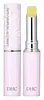
This barrier-repair lip moisturizer is formulated around Squalane and Cholesterol to strengthen the lip barrier and hydrate lips.
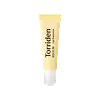
This barrier-repair lip moisturizer is formulated around Ceramide NP and Simmondsia Chinensis Seed Oil to strengthen the lip barrier and hydrate lips.


What's inside
What's inside
 Key Ingredients
Benefits
Concerns
Ingredients Side-by-side
Lanolin
Emollient




Caprylic/Capric Triglyceride
Masking


Euphorbia Cerifera Cera
Astringent
Beeswax
Emulsion Stabilising
Squalane
Emollient
Stearic Acid
Cleansing
Acetylated Lanolin
Emollient
Paraffin
Skin Conditioning
Cetearyl Ethylhexanoate
Emollient
Hydrogenated Palm Oil
Emollient
Tocotrienols
Skin Conditioning
Dipentaerythrityl Hexa C5-9 Acid Esters
Skin ConditioningOlea Europaea Fruit Oil
Masking
Hydrogenated Lanolin
EmollientLimnanthes Alba Seed Oil
Skin Conditioning
Pentylene Glycol
Skin Conditioning
Cholesterol
Emollient
Sorbitan Isostearate
Emulsifying
Phenoxyethanol
Preservative
Elaeis Guineensis Oil
Emollient
Stearyl Glycyrrhetinate
Skin ConditioningHematite Extract
Skin ProtectingOak Root Extract
Skin ConditioningPalm Acid
Cleansing
Lepidium Meyenii Root Extract
Skin ConditioningPunica Granatum Flower Extract
Skin Conditioning
Aloe Barbadensis Leaf Extract
Emollient
Palmitoyl Tripeptide-38
Skin Conditioning

Lanolin, Caprylic/Capric Triglyceride, Euphorbia Cerifera Cera, Beeswax, Squalane, Stearic Acid, Acetylated Lanolin, Paraffin, Cetearyl Ethylhexanoate, Hydrogenated Palm Oil, Tocotrienols, Dipentaerythrityl Hexa C5-9 Acid Esters, Olea Europaea Fruit Oil, Hydrogenated Lanolin, Limnanthes Alba Seed Oil, Pentylene Glycol, Cholesterol, Sorbitan Isostearate, Phenoxyethanol, Elaeis Guineensis Oil, Stearyl Glycyrrhetinate, Hematite Extract, Oak Root Extract, Palm Acid, Lepidium Meyenii Root Extract, Punica Granatum Flower Extract, Aloe Barbadensis Leaf Extract, Palmitoyl Tripeptide-38
Polyisobutene
Petrolatum
Emollient
Diisostearyl Malate
EmollientSimmondsia Chinensis Seed Oil
Emollient
Butyrospermum Parkii Butter
Skin Conditioning
Sorbitan Sesquioleate
Emulsifying
Macadamia Ternifolia Seed Oil
Emollient
Olea Europaea Fruit Oil
Masking
Adansonia Digitata Seed Oil
Emollient
Ceramide NP
Skin Conditioning
Ceramide Ns
Skin Conditioning
Ceramide As
Skin Conditioning
Ceramide EOP
Skin Conditioning
Ceramide AP
Skin Conditioning
Stearic Acid
Cleansing
Cholesterol
Emollient
Vinegar
Sodium Hyaluronate
Humectant
Panthenol
Skin Conditioning
Trehalose
Humectant
Hydrogenated Lecithin
Emulsifying
Microcrystalline Wax
Emulsion StabilisingSargassum Fusiforme Extract
Skin Protecting
Glycerin
Humectant
Butylene Glycol
Humectant
Water
Skin ConditioningCaprylic/Capric Triglyceride
Masking
1,2-Hexanediol
Skin Conditioning
Polyisobutene, Petrolatum, Diisostearyl Malate, Simmondsia Chinensis Seed Oil, Butyrospermum Parkii Butter, Sorbitan Sesquioleate, Macadamia Ternifolia Seed Oil, Olea Europaea Fruit Oil, Adansonia Digitata Seed Oil, Ceramide NP, Ceramide Ns, Ceramide As, Ceramide EOP, Ceramide AP, Stearic Acid, Cholesterol, Vinegar, Sodium Hyaluronate, Panthenol, Trehalose, Hydrogenated Lecithin, Microcrystalline Wax, Sargassum Fusiforme Extract, Glycerin, Butylene Glycol, Water, Caprylic/Capric Triglyceride, 1,2-Hexanediol
Reviews
Alternatives
Ingredients Explained
These ingredients are found in both products.
Ingredients higher up in an ingredient list are typically present in a larger amount.
Caprylic/Capric Triglyceride (aka MCT Oil) is a lightweight emollient, solvent, and texture enhancer. It is considered a skin-softener by helping to prevent moisture loss.
Though it behaves like an oil, it is not technically one due to its chemical composition. One perk of this ingredient is that it is very stable, resistant to oxidation, and unlikely to go rancid.
In practice, that translates to a long shelf life and a consistently elegant skin feel.
While there is an assumption Caprylic Triglyceride can clog pores due to it being derived from coconut oil, there is no research supporting this. Just patch test if you have concerns.
Fractionated coconut oil and MCT Oil are both listed as Caprylic/Capric Triglyceride according to INCI. This is because INCI names are based on the ingredient’s final chemical composition and not its marketing name or source.
This ingredient is treated as the gold standard fungal acne safe oil. Even though it is coconut derived, the problematic lauric acid is stripped out.
This leaves just caprylic (C8) and capric (C10) acid. These chain lengths actually trend antifungal; a 2020 study found caprylic acid was enough to disrupt Malassezia furfur cell membrane, with a caprylic acid derivative damaging membrane structures at concentrations as low as 0.2%.
Learn more about Caprylic/Capric TriglycerideCholesterol is a lipid that is naturally found in human skin and is one of the three key components of your skin barrier. In skincare, it is an emollient and barrier-repairing ingredient.
It works by fitting directly into the lipid layers of skin to help restore structure and reduce transepidermal water loss (TEWL).
This is a great ingredient for dry, compromised, or aging skin; our skin starts to produce less cholesterol with age.
Research shows cholesterol works best in combination with ceramides and fatty acids, the other two major components in your skin barrier.
Cholesterol is also a well-establish penetration enhancer and can help other actives absorb more effectively.
Cosmetic-grade cholesterol is usually derived from lanolin but plant and synthetic options also exist. We recommend reaching out to the brand if you have questions about their source of cholesterol.
Learn more about CholesterolThis ingredient is also known as olive oil. It has been used in skincare for centuries and science largely backs up its reputation as a nourishing emollient.
The main components of olive oil are oleic acid (55-83%), linoleic acid (3.5-20%), and palmitic acid (7-20%). Oleic acid promotes skin regeneration and helps regulate inflammatory responses.
Squalene is also naturally present in olive oil and exhibits moisturizing and antioxidant properties.
The polyphenols in olive oil also show anti-aging promise; one clinical study found a measurable improvement in skin appearance after 30 days of topical serum use.
Just be aware that applying olive oil directly to skin can weaken the barrier and cause redness. One study with volunteers found even people without sensitive skin experienced a significant reduction in stratum corneum integrity and induced mild erythema.
It's best to use this ingredient as part of a carefully crafted formula (instead of putting it on skin directly from the bottle).
Because it has a 0-2 on the comedogenic scale, it is low risk for acne-prone skin. Just remember the overall formulation of a product matters more than a few ingredients with comedogenic ratings.
This ingredient may not be fungal acne safe because of the oleic and palmitic acid content. These fall within the C11-24 fatty acid range that the Malassezia yeast can metabolize to grow.
Overall, olive oil is a well-studied and nourishing skincare ingredient.
Learn more about Olea Europaea Fruit OilStearic Acid is a fatty acid that is already found in your skin. It's one of the free fatty acids that works alongside ceramides and cholesterols to maintain your barrier.
In cosmetics, it is a multitasker:
Safety-wise, the CIR Expert Panel has concluded it to be safe in cosmetics when formulated to be non-irritating and non-sensitizing.
Free stearic acid is a C18 fatty acid that the Malassezia yeast can substrate, so this ingredient may not be fungal acne safe.
This ingredient does have a comedogenic rating of 2-3, but this doesn't mean a formula with this ingredient will clog pores.
Human testing has proved that any finished product with this ingredient won't automatically make you break out; it really comes down to concentration, formula, and your skin.
Learn more about Stearic Acid

