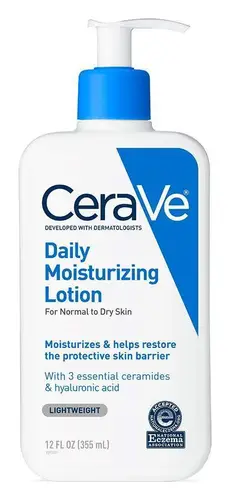
This calming moisturizer is formulated around Aloe Barbadensis Leaf Juice and Camellia Sinensis Leaf Extract to calm redness and hydrate skin.

What's inside
What's inside
 Key Ingredients
Benefits
Concerns
Ingredients Side-by-side
Aloe Barbadensis Leaf Juice
Skin Conditioning


Camellia Sinensis Leaf Extract
Antimicrobial




Helianthus Annuus Seed Oil
Emollient


Simmondsia Chinensis Seed Oil
Emollient

Glycerin
Humectant
Glyceryl Stearate Se
Emulsifying


Stearic Acid
Cleansing
Butyrospermum Parkii Butter
Skin Conditioning
Cocos Nucifera Oil
Masking

Jojoba Esters
Emollient
Hydrolyzed Jojoba Esters
Skin Conditioning
Cucumis Sativus Fruit Extract
Emollient
Lavandula Angustifolia Flower/Leaf/Stem Extract
Masking
Citrus Aurantium Bergamia Fruit Extract
Skin ConditioningCitrus Limon Fruit Extract
Masking
Pyrus Malus Fruit Extract
Skin Conditioning
Rubus Idaeus Fruit Extract
AstringentSalvia Officinalis Leaf Extract
CleansingSalvia Sclarea Extract
AntiseborrhoeicVaccinium Macrocarpon Fruit Extract
AstringentVanilla Planifolia Fruit Extract
Skin Conditioning
Rosmarinus Officinalis Leaf Extract
AntimicrobialCopernicia Cerifera Wax
Tocopherol
Antioxidant

Diheptyl Succinate
EmollientSorbitan Oleate Decylglucoside Crosspolymer
CleansingTriethyl Citrate
Masking
Capryloyl Glycerin/Sebacic Acid Copolymer
Skin ConditioningMagnesium Aluminum Silicate
Absorbent
Dehydroacetic Acid
Preservative
Potassium Sorbate
Preservative
Benzyl Alcohol
Perfuming

Xanthan Gum
EmulsifyingAloe Barbadensis Leaf Juice, Camellia Sinensis Leaf Extract, Helianthus Annuus Seed Oil, Simmondsia Chinensis Seed Oil, Glycerin, Glyceryl Stearate Se, Stearic Acid, Butyrospermum Parkii Butter, Cocos Nucifera Oil, Jojoba Esters, Hydrolyzed Jojoba Esters, Cucumis Sativus Fruit Extract, Lavandula Angustifolia Flower/Leaf/Stem Extract, Citrus Aurantium Bergamia Fruit Extract, Citrus Limon Fruit Extract, Pyrus Malus Fruit Extract, Rubus Idaeus Fruit Extract, Salvia Officinalis Leaf Extract, Salvia Sclarea Extract, Vaccinium Macrocarpon Fruit Extract, Vanilla Planifolia Fruit Extract, Rosmarinus Officinalis Leaf Extract, Copernicia Cerifera Wax, Tocopherol, Diheptyl Succinate, Sorbitan Oleate Decylglucoside Crosspolymer, Triethyl Citrate, Capryloyl Glycerin/Sebacic Acid Copolymer, Magnesium Aluminum Silicate, Dehydroacetic Acid, Potassium Sorbate, Benzyl Alcohol, Xanthan Gum
Water
Skin ConditioningCaprylic/Capric Triglyceride
Masking
Glyceryl Stearate Se
Emulsifying
Glycerin
Humectant
Cetearyl Alcohol
Emollient
Carthamus Tinctorius Seed Oil
Masking
Ricinus Communis Seed Oil
Masking
Aloe Barbadensis Leaf Juice
Skin Conditioning
Glyceryl Stearate Citrate
Emollient
Butyrospermum Parkii Butter
Skin Conditioning
Calendula Officinalis Flower Extract
Masking
Chamomilla Recutita Flower Extract
Masking
Cocos Nucifera Fruit Extract
Emollient
Rhus Verniciflua Peel Wax
Hydrolyzed Jojoba Esters
Skin Conditioning
Glycine Soja Oil
Emollient
Ethyl Macadamiate
Skin Conditioning
Caprylyl Glycol
Emollient
Panthenol
Skin Conditioning
Microcrystalline Cellulose
AbsorbentXanthan Gum
EmulsifyingAllantoin
Skin Conditioning
Cellulose Gum
Emulsion StabilisingTocopherol
Antioxidant
Caprylhydroxamic Acid
ChelatingTrisodium Ethylenediamine Disuccinate
ChelatingAscorbyl Palmitate
Antioxidant
Helianthus Annuus Seed Oil
Emollient
Potassium Sorbate
Preservative
Citric Acid
Buffering
Water, Caprylic/Capric Triglyceride, Glyceryl Stearate Se, Glycerin, Cetearyl Alcohol, Carthamus Tinctorius Seed Oil, Ricinus Communis Seed Oil, Aloe Barbadensis Leaf Juice, Glyceryl Stearate Citrate, Butyrospermum Parkii Butter, Calendula Officinalis Flower Extract, Chamomilla Recutita Flower Extract, Cocos Nucifera Fruit Extract, Rhus Verniciflua Peel Wax, Hydrolyzed Jojoba Esters, Glycine Soja Oil, Ethyl Macadamiate, Caprylyl Glycol, Panthenol, Microcrystalline Cellulose, Xanthan Gum, Allantoin, Cellulose Gum, Tocopherol, Caprylhydroxamic Acid, Trisodium Ethylenediamine Disuccinate, Ascorbyl Palmitate, Helianthus Annuus Seed Oil, Potassium Sorbate, Citric Acid
Ingredients Explained
These ingredients are found in both products.
Ingredients higher up in an ingredient list are typically present in a larger amount.
Aloe Barbadensis Leaf Juice is the filtered, stabilized liquid pressed from the inner gel of the aloe vera leaf.
In cosmetics, it shows up as either soothing active or a water-replacement base. It is roughly 98-99% water and the last 1-2% is an interesting mix of polysaccharides, amino acids, vitamins, minerals, and enzymes.
The polysaccharides do most of the work: they bind water at the skin surface for a light, non-greasy hydration boost. And one of the polysaccharides, glycomannan, is linked to fibroblast stimulation + collagen synthesis. This is also why aloe has such a long track record in wound and burn healing.
This ingredient is also calming with anti-inflammatory and mild antimicrobial activity, making it a great pick for sensitive, irritated, or post-sun skin.
Realistic expectations matter though; the solid evidence is mostly limited to hydration, soothing, and wound support. Deeper claims about anti-aging or sun protection are not well backed, and science reviews note it does not prevent radiation-induced skin injury.
Because it plays well with almost everything, it's commonly used as a base alongside other actives like niacinamide or vitamin C.
Typical usage concentrations range from 0.5% (where hydration benefits already show up) all the way to 90%+ (where it replaces water as the main base).
The safety for this ingredient is well-establish as well. Overall, this is a great supporting ingredient for those who want a boost in hydration.
Learn more about Aloe Barbadensis Leaf JuiceThis ingredient is also known as shea butter. It is a plant-derived extract from the nuts of the Africa shea tree and one of the most well-studied emollients.
Because it has a high concentration of fatty acids (primarily oleic, stearic, and linoleic) it is able to form a protective barrier on the skin's surface. This helps seal in moisture and prevents transepidermal water loss (TEWL).
In vitro research found an increase in skin hydration by 58% and a decrease in TEWL by 37.8% after 24 hours of applying this ingredient (pretty impressive for a single ingredient!).
Besides hydration, shea butter also contains triterpenes that have anti-inflammatory potential. In particule, lupeol cinnamate has shown the highest anti-inflammatory activity in vivo.
Shea butter also contains vitamins A and E which may contribute to antioxidant activity.
While Shea Butter has an SPF rating of about 3-4, it is not a sunscreen replacement.
This ingredient may not be fungal acne safe because its fatty acids fall within the C11-C24 range that the Malassezia yeast can metabolize.
This ingredient shows up on a lot of "pore-clogging" lists but there's no real evidence behind that. It doesn't even have a comedogenic rating from an actual study; the numbers you'll find online come from blogs citing other blogs.
Ratings for other ingredients mostly come from a 1980s rabbit ear test. This test doesn't translate well to human skin or to real products because the ingredient sits at a much lower percentage.
Some people still find it breaks them out. So if that's you, definitely trust your skin. Just know this one's based on experience and not evidence.
Learn more about Butyrospermum Parkii ButterGlycerin (or glycerol) is a compound naturally found in your skin. It's a powerhouse humectant that pulls water into the stratum corneum.
Topically, glycerin does several things at once:
Your skin makes glycerin on its own (mostly from sebaceous oil breakdown) and shuttles it to your outermost layer of skin, or your epidermis, via aquaporin-3.
Aquaporin-3 is a transporter that is essential for normal skin hydration, elasticity, and repair. Interestingly, mice lacking in AQP3 have dry and less elastic skin that can be fully corrected with glycerin.
This ingredient is non-irritating, plays well with almost every ingredient, and works across all skin types. Typical use is anywhere between 3-10% but can go up to 79% in some leave-on products.
Just know very high concentrations (>40%) can feel tacky in low humidity.
Glycerin is the name for this ingredient in American English. British English uses Glycerol/Glycerine.
Learn more about GlycerinGlyceryl Stearate SE is a self-emulsifying (SE) form of Glyceryl Stearate. It comes with a small amount of soap (usually potassium or sodium stearate) that gives it the "SE" part.
That soap lets it pull oil and water together on its own which is why it shows up as an emulsifier, thickener, and emollient.
Industry survey data shows this ingredient is used around 1-5% but Glyceryl Stearate goes as high at 17% in a leave-on deodorant.
Safety-wise, it's pretty boring: it's been deemed safe for topical use in 1982 and again most recently in 2021 by the CIR. Human repeat insult patch tests come back non-irritating, non-sensitizing, non-phototoxic, and non-photoallergenic.
This ingredient does carry a comedogenic rating of 3 from the old rabbit-ear assay. Just remember testing finished products in humans showed that formulas built with "comedogenic" ingredients are not necessarily comedogenic themselves. It's worth patch testing if you're breakout prone, and always listen to your skin.
The Malassezia yeast can potentially metabolize the stearic acid in this ingredient, so it may not be fungal acne safe.
Allergy is rare: a 310-patient patch test study of common emulsifiers found this ingredient was not a meaningful reactor. Isolated case reports do exist so a true contact allergy is possible but uncommon.
Learn more about Glyceryl Stearate SeHelianthus Annuus Seed Oil is a plant oil derived from the seeds of a sunflower.
It is rich in fatty acids, primarily linoleic acid and oleic acid. This gives it emollient and skin conditioning properties.
The reason this ingredient is so effective is because it forms a thin film on the skin that reduces transepidermal water loss (TEWL) while supplying linoleic acid to the stratum corneum to improve barrier strength.
The high linoleic acid content is particularly noteworthy for acne-prone skin.
Research suggests that acne-prone skin tends to be deficient in linoleic acid in sebum. Topical application may help replenish this to support a healthier follicular environment and less comedone-promoting sebum.
One randomized study found sunflower seed oil preserved skin barrier integrity in adult volunteers with and without atopic dermatitis (outperforming olive oil).
This ingredient is well-studied, gentle, and an effective emollient suitable for most skin types.
On fungal acne: This ingredient may not be Fungal acne (Malassezia folliculitis) safe. This is because it contains fatty acids with carbon chain lengths in the C11-C24 range.
Learn more about Helianthus Annuus Seed OilHydrolyzed Jojoba Esters (HJE) are an emollient and skin-conditioning agent made by breaking down jojoba oil into a blend of fatty acids and fatty alcohols.
Jojoba is pretty cool because it's a liquid wax ester rather than a triglyceride like most plant oils. Its structure closely resembles the wax esters in human sebum so it slots nicely into the skin's own lipid layer.
In cosmetics, HJE works mainly to soften skin, reinforce the barrier, and lock in moisture by reducing water loss. This ingredient also holds onto the skin even after rinsing which is why you'll see it in cleansers or wipes.
There's a decent clinical backing for the moisturizing claims: a small controlled study found that pairing HJE with glycerin lowered transepidermal water loss significantly than glycerin alone (and this effect lasted up to 24 hours).
Follow-up work showed HJE appear to "trap" glycerin in the film they form on skin to boost its hydrating power.
Typical use levels are low: the glycering-synergy research used around 1.25% (a common pairing is roughly 1.25% HJE and 3.75% glycerin).
This ingredient has been found safe as used in cosmetics with low irritation risk.
As for fungal acne, the fatty acids and alcohols in jojoba fall in roughly the C18-24 range. This overlaps the C11-24 window that Malassezia yeast can feed on in lab studies, so this ingredient may not be fungal acne safe.
Learn more about Hydrolyzed Jojoba EstersPotassium Sorbate is a preservative used to prevent yeast and mold in products. It is commonly found in both cosmetic and food products.
This ingredient comes from potassium salt derived from sorbic acid. Sorbic acid is a natural antibiotic and effective against fungus.
Both potassium sorbate and sorbic acid can be found in baked goods, cheeses, dried meats, dried fruit, ice cream, pickles, wine, yogurt, and more.
You'll often find this ingredient used with other preservatives.
Learn more about Potassium SorbateTocopherol is a fat-soluble antioxidant known as Vitamin E.
You'll find this ingredient in the vast majority of skincare (for good reason). It works to neutralize free radicals, or unstable molecules generated by UV exposure, pollution, and other environmental stressors, before they can cause oxidative damage to your skin cells.
Topically applied tocopherol has been shown to protect against UV damage by ramping up the skin's own natural defense enzymes.
It also acts as a skin conditioning agent; some studies show that regular topical use can improve the skin's water-binding capacity over 2-4 weeks.
This ingredient is especially loved for being a team player. When combined with Vitamin C, the photoprotective effect of both ingredients roughly doubles and the combo also helps reduce UV-induced DNA damage.
This ingredient has some brightening potential but it's more of a prevention ingredient than spot-fader. Cell studies show it can slow down melanin production but it's worth noting that it's not the most powerful brightener out there.
In formulations, it also serves as a stabilizer that helps protect other oxidation-prone ingredients from degrading.
Concentrations usually range from 0.1-1% in most leave-on products.
Learn more about TocopherolXanthan gum is used as a stabilizer and thickener within cosmetic products. It helps give products a sticky, thick feeling - preventing them from being too runny.
On the technical side of things, xanthan gum is a polysaccharide - a combination consisting of multiple sugar molecules bonded together.
Xanthan gum is a pretty common and great ingredient. It is a natural, non-toxic, non-irritating ingredient that is also commonly used in food products.
Learn more about Xanthan Gum