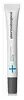
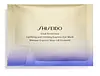
Dermalogica Stress Positive Eye Lift Mask Versus Shiseido Vital Perfection Uplifting And Firming Express Eye Mask
This barrier-repair eye mask is formulated around Saccharomyces Ferment Lysate Filtrate and Niacinamide to strengthen the skin barrier.


What's inside
What's inside
 Key Ingredients
Benefits
Concerns
Ingredients Side-by-side
Water
Skin ConditioningDimethicone
Emollient

Pentylene Glycol
Skin Conditioning
Sorbitol
Humectant
Simmondsia Chinensis Seed Oil
Emollient


Butylene Glycol
Humectant
Glycerin
Humectant
PEG-40 Hydrogenated Castor Oil
Emulsifying
Saccharomyces Ferment Lysate Filtrate
Skin Conditioning
Tephrosia Purpurea Seed Extract
Skin ConditioningHydrolyzed Sodium Hyaluronate
Skin Conditioning
Niacinamide
Smoothing








Diglucosyl Gallic Acid
Citrus Reticulata Leaf Oil
Masking


Ammonium Acryloyldimethyltaurate/Vp Copolymer
Maris Aqua
HumectantPropanediol
Solvent
Sodium Hyaluronate
Humectant
Vetiveria Zizanoides Root Oil
Masking
Lavandula Angustifolia Oil
Masking
Rosa Damascena Flower Oil
Masking
Salvia Sclarea Oil
Masking
Hydrolyzed Algin
Aniba Rosaeodora Wood Oil
Astringent
Cananga Odorata Flower Oil
Masking
Glyceryl Stearate Se
Emulsifying

Methyl Lactate
Perfuming
PEG-100 Stearate
Surfactant
Acrylates/C10-30 Alkyl Acrylate Crosspolymer
Emulsion StabilisingTocopherol
Antioxidant

Sucrose
Humectant
Caprylic/Capric Triglyceride
Masking
Ethylhexylglycerin
Skin ConditioningSodium Hydroxide
BufferingTetrasodium Glutamate Diacetate
ChelatingAminomethyl Propanol
BufferingXanthan Gum
EmulsifyingLinalool
Perfuming
Geraniol
Perfuming
Phenoxyethanol
Preservative
Water, Dimethicone, Pentylene Glycol, Sorbitol, Simmondsia Chinensis Seed Oil, Butylene Glycol, Glycerin, PEG-40 Hydrogenated Castor Oil, Saccharomyces Ferment Lysate Filtrate, Tephrosia Purpurea Seed Extract, Hydrolyzed Sodium Hyaluronate, Niacinamide, Diglucosyl Gallic Acid, Citrus Reticulata Leaf Oil, Ammonium Acryloyldimethyltaurate/Vp Copolymer, Maris Aqua, Propanediol, Sodium Hyaluronate, Vetiveria Zizanoides Root Oil, Lavandula Angustifolia Oil, Rosa Damascena Flower Oil, Salvia Sclarea Oil, Hydrolyzed Algin, Aniba Rosaeodora Wood Oil, Cananga Odorata Flower Oil, Glyceryl Stearate Se, Methyl Lactate, PEG-100 Stearate, Acrylates/C10-30 Alkyl Acrylate Crosspolymer, Tocopherol, Sucrose, Caprylic/Capric Triglyceride, Ethylhexylglycerin, Sodium Hydroxide, Tetrasodium Glutamate Diacetate, Aminomethyl Propanol, Xanthan Gum, Linalool, Geraniol, Phenoxyethanol
Water
Skin ConditioningPentaerythrityl Tetraethylhexanoate
Emollient
Butylene Glycol
Humectant
Diphenylsiloxy Phenyl Trimethicone
Skin Conditioning
Glycerin
Humectant
Dipropylene Glycol
HumectantPotassium Methoxysalicylate
BleachingPEG-60 Hydrogenated Castor Oil
Emulsifying
Phenoxyethanol
Preservative
Carbomer
Emulsion StabilisingXanthan Gum
EmulsifyingMethylparaben
Preservative

Trisodium EDTA
ChelatingPolyvinyl Alcohol
Tocopheryl Acetate
Antioxidant
Vp/Va Copolymer
Rosa Damascena Flower Water
Masking
Sodium Citrate
BufferingPotassium Hydroxide
BufferingBHT
Antioxidant
Squalane
Emollient
Alcohol
Antimicrobial

Caffeine
Skin Conditioning
Retinol
Skin Conditioning
Polysorbate 20
Emulsifying
Citric Acid
Buffering
Lavandula Angustifolia Oil
Masking
PEG/PPG-14/7 Dimethyl Ether
Skin ConditioningParfum
Masking
Tocopherol
Antioxidant
Linalool
Perfuming
Limonene
Perfuming
Angelica Acutiloba Root Extract
Skin ConditioningAngelica Keiskei Leaf/Stem Extract
Skin ConditioningOlea Europaea Leaf Extract
Perfuming
Sanguisorba Officinalis Root Extract
CleansingLamium Album Flower/Leaf/Stem Extract
Skin ConditioningCamellia Sinensis Leaf Extract
Antimicrobial
Inositol
Humectant
Carthamus Tinctorius Flower Extract
Skin ConditioningPinus Sylvestris Cone Extract
Masking
Ziziphus Jujuba Fruit Extract
Skin ConditioningRosmarinus Officinalis Leaf Extract
AntimicrobialEucheuma Serra/Grateloupia Sparsa/Saccharina Angustata/Ulva Linza/Undaria Pinnatifida Extract
EmollientSaccharina Angustata/Undaria Pinnatifida Extract
EmollientBupleurum Falcatum Root Extract
Skin ConditioningCoix Lacryma-Jobi Ma-Yuen Seed Extract
Skin ConditioningWater, Pentaerythrityl Tetraethylhexanoate, Butylene Glycol, Diphenylsiloxy Phenyl Trimethicone, Glycerin, Dipropylene Glycol, Potassium Methoxysalicylate, PEG-60 Hydrogenated Castor Oil, Phenoxyethanol, Carbomer, Xanthan Gum, Methylparaben, Trisodium EDTA, Polyvinyl Alcohol, Tocopheryl Acetate, Vp/Va Copolymer, Rosa Damascena Flower Water, Sodium Citrate, Potassium Hydroxide, BHT, Squalane, Alcohol, Caffeine, Retinol, Polysorbate 20, Citric Acid, Lavandula Angustifolia Oil, PEG/PPG-14/7 Dimethyl Ether, Parfum, Tocopherol, Linalool, Limonene, Angelica Acutiloba Root Extract, Angelica Keiskei Leaf/Stem Extract, Olea Europaea Leaf Extract, Sanguisorba Officinalis Root Extract, Lamium Album Flower/Leaf/Stem Extract, Camellia Sinensis Leaf Extract, Inositol, Carthamus Tinctorius Flower Extract, Pinus Sylvestris Cone Extract, Ziziphus Jujuba Fruit Extract, Rosmarinus Officinalis Leaf Extract, Eucheuma Serra/Grateloupia Sparsa/Saccharina Angustata/Ulva Linza/Undaria Pinnatifida Extract, Saccharina Angustata/Undaria Pinnatifida Extract, Bupleurum Falcatum Root Extract, Coix Lacryma-Jobi Ma-Yuen Seed Extract
Ingredients Explained
These ingredients are found in both products.
Ingredients higher up in an ingredient list are typically present in a larger amount.
Butylene Glycol (or BG) is used within cosmetic products for a few different reasons:
Overall, Butylene Glycol is a safe and well-rounded ingredient that works well with other ingredients.
Though this ingredient works well with most skin types, some people with sensitive skin may experience a reaction such as allergic rashes, closed comedones, or itchiness.
Learn more about Butylene GlycolGlycerin (or glycerol) is a compound naturally found in your skin. It's a powerhouse humectant that pulls water into the stratum corneum.
Topically, glycerin does several things at once:
Your skin makes glycerin on its own (mostly from sebaceous oil breakdown) and shuttles it to your outermost layer of skin, or your epidermis, via aquaporin-3.
Aquaporin-3 is a transporter that is essential for normal skin hydration, elasticity, and repair. Interestingly, mice lacking in AQP3 have dry and less elastic skin that can be fully corrected with glycerin.
This ingredient is non-irritating, plays well with almost every ingredient, and works across all skin types. Typical use is anywhere between 3-10% but can go up to 79% in some leave-on products.
Just know very high concentrations (>40%) can feel tacky in low humidity.
Glycerin is the name for this ingredient in American English. British English uses Glycerol/Glycerine.
Learn more about GlycerinLavandula Angustifolia Oil is more commonly known as lavender essential oil. It is considered a fragrancing ingredient.
Lavender imparts a famous scent. While the smell is lovely, this ingredient and may sensitize skin in topical products. This is because about 85% of the oil is made up of linalool and linalyl acetate.
When exposed to air, these two compounds become strong allergens. This ingredient exhibits cytotoxicity at low concentrations; amounts of 0.25% have been shown to damage skin cells.
A study from Japan found this ingredient caused lavender sensitivity after widespread exposure.
Lavender essential oil has some antimicrobial, antibacterial, and anti-inflammatory properties. However, the cons of this ingredient may outweight the pros.
More research is needed to confirm lavender essential oil's effects when used in aromatherapy.
Lavandula Angustifolia is known as the English Lavender and famous for creating purple fields in Provence, France.
Learn more about Lavandula Angustifolia OilLinalool is a small, naturally occurring scent molecule found in plants like lavender, coriander, bergamot, and more.
It is one of the two most-used fragrance ingredients in cosmetics and added purely for smell. Since it's not used for a skin benefit, there's no "effective dose". Concentration depends on the fragrance load of the product.
The EU requires it to be named on the label above 0.001% in leave-on and 0.01% in rinse-off products.
Fresh linalool is a weak sensitizer but air exposure turns some of it into hydroperoxides, which are strong sensitizers. Those oxidation products are the actual allergy concern.
Patch-test clinics see positive reactions to linalool hydroperoxides in about 4% to 12% of dermatitis patients depending on country and test concentration.
Resassuringly, one analytical study found hydroperoxide levels in real fragranced products to be orders of magnitude below what induced sensitization in animal studies with no evidence of oxidation building up during normal storage.
The practical takeaway is that linalool is fine for most people but worth avoiding if you have a confirmed fragrance contact allergy or a badly compromised barrier.
Products stored a long time after opening are also the high-risk scenario since that is when oxidation happens.
The scent of linalool is described as floral, spicy tropical, and citrus-like.
Learn more about LinaloolPhenoxyethanol is one of the most widely used preservatives in skincare (and for good reason!).
It has a large spectrum of antimicrobial activity and especially effective bacteria, yeast, and mold while only having a weak effect on your skin's natural microbiome.
On a cellular level, it disrupts the cell membranes of microbes by poking holes that make the cell leak. This shuts down the chemical reactions the microbe needs to make energy so it can no longer survive.
Another perk of this ingredient is that it stays functional across a wide pH range (3-10).
You'll often see it paired with boosters like Ethylhexylglycerin; one study showed that a 1:9 ratio of Ethylhexylglycerin to Phenoxyethanol damages bacterial membranes as effectively as doubling the Phenoxyethanol concentration on its own.
Typical use concentrations range from 0.3-1% depending on the formula, and this ingredient is capped at 1% int the EU.
Safety-wise, the fear mongering does not hold up to the evidence. The EU's Scientific Committee on Consumer Safety and FDA consider it safe as a preservative at up to 1%, including for children of all ages.
Adverse systemic effects only showed up in animal studies at exposures roughly 200x higher than what people get from cosmetics. And despite its very widespread use, this ingredient is a rare sensitizer and allergic reactions are uncommon.
Learn more about PhenoxyethanolTocopherol is a fat-soluble antioxidant known as Vitamin E.
You'll find this ingredient in the vast majority of skincare (for good reason). It works to neutralize free radicals, or unstable molecules generated by UV exposure, pollution, and other environmental stressors, before they can cause oxidative damage to your skin cells.
Topically applied tocopherol has been shown to protect against UV damage by ramping up the skin's own natural defense enzymes.
It also acts as a skin conditioning agent; some studies show that regular topical use can improve the skin's water-binding capacity over 2-4 weeks.
This ingredient is especially loved for being a team player. When combined with Vitamin C, the photoprotective effect of both ingredients roughly doubles and the combo also helps reduce UV-induced DNA damage.
This ingredient has some brightening potential but it's more of a prevention ingredient than spot-fader. Cell studies show it can slow down melanin production but it's worth noting that it's not the most powerful brightener out there.
In formulations, it also serves as a stabilizer that helps protect other oxidation-prone ingredients from degrading.
Concentrations usually range from 0.1-1% in most leave-on products.
Learn more about TocopherolWater. It's the most common cosmetic ingredient of all. You'll usually see it at the top of ingredient lists, meaning that it makes up the largest part of the product.
So why is it so popular? Water most often acts as a solvent - this means that it helps dissolve other ingredients into the formulation.
You'll also recognize water as that liquid we all need to stay alive. If you see this, drink a glass of water. Remember to stay hydrated!
Learn more about WaterXanthan gum is used as a stabilizer and thickener within cosmetic products. It helps give products a sticky, thick feeling - preventing them from being too runny.
On the technical side of things, xanthan gum is a polysaccharide - a combination consisting of multiple sugar molecules bonded together.
Xanthan gum is a pretty common and great ingredient. It is a natural, non-toxic, non-irritating ingredient that is also commonly used in food products.
Learn more about Xanthan Gum

