This smoothing exfoliator is formulated around Retinol and Lactic Acid to refine skin texture and soften the look of wrinkles.
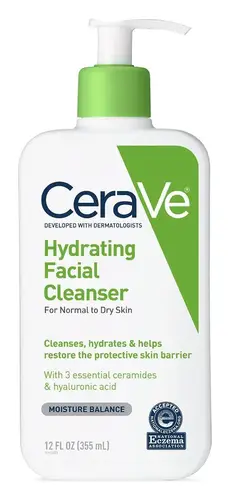
This mild gel cleanser is mild enough to cleanse without leaving skin feeling tight or stripped.

What's inside
What's inside
 Key Ingredients
Benefits
Concerns
Ingredients Side-by-side
PEG-6
HumectantSodium Bicarbonate
Abrasive
Jojoba Wax PEG-120 Esters
Surfactant

Disteareth-100 Ipdi
Cellulose
Absorbent
Silica
Abrasive
Synthetic Wax
Abrasive
Helianthus Annuus Seed Oil
Emollient

Retinol
Skin Conditioning







Lactic Acid
Buffering

Salicylic Acid
Masking


Tetrahexyldecyl Ascorbate
Antioxidant


Glycine Soja Oil
Emollient

Aniba Rosodora Wood Oil
Astringent
Eugenia Caryophyllus Leaf Oil
Masking


Pelargonium Graveolens Flower Oil
Masking
Citrus Limon Peel Oil
Masking
Rosa Damascena Flower Oil
Masking
Eugenia Caryophyllus Bud Oil
Masking
Glycyrrhiza Glabra Root Extract
Bleaching
Camellia Sinensis Leaf Extract
Antimicrobial
Cymbopogon Schoenanthus Oil
Masking
Cymbopogon Martini Oil
Masking
Cupressus Sempervirens Leaf/Nut/Stem Oil
Emollient
Hydrolyzed Opuntia Ficus-Indica Flower Extract
Abrasive
Bixa Orellana Seed Oil
Emollient
Citrus Limon Peel Extract
EmollientEucalyptus Globulus Leaf Oil
Perfuming
Carthamus Tinctorius Seed Oil
Masking
Olive Oil PEG-7 Esters
Emollient
Tocopherol
Antioxidant
Caprylyl Glycol
Emollient
BHT
Antioxidant
Caprylic/Capric Triglyceride
Masking
Saccharide Isomerate
Humectant
Water
Skin Conditioning1,2-Hexanediol
Skin Conditioning
Polyglyceryl-3 Stearate
Emulsifying
Beheneth-5
EmulsifyingCitric Acid
Buffering
Sodium Citrate
BufferingLinalool
Perfuming
Eugenol
Perfuming
Citronellol
Perfuming
Limonene
Perfuming
Geraniol
Perfuming
PEG-6, Sodium Bicarbonate, Jojoba Wax PEG-120 Esters, Disteareth-100 Ipdi, Cellulose, Silica, Synthetic Wax, Helianthus Annuus Seed Oil, Retinol, Lactic Acid, Salicylic Acid, Tetrahexyldecyl Ascorbate, Glycine Soja Oil, Aniba Rosodora Wood Oil, Eugenia Caryophyllus Leaf Oil, Pelargonium Graveolens Flower Oil, Citrus Limon Peel Oil, Rosa Damascena Flower Oil, Eugenia Caryophyllus Bud Oil, Glycyrrhiza Glabra Root Extract, Camellia Sinensis Leaf Extract, Cymbopogon Schoenanthus Oil, Cymbopogon Martini Oil, Cupressus Sempervirens Leaf/Nut/Stem Oil, Hydrolyzed Opuntia Ficus-Indica Flower Extract, Bixa Orellana Seed Oil, Citrus Limon Peel Extract, Eucalyptus Globulus Leaf Oil, Carthamus Tinctorius Seed Oil, Olive Oil PEG-7 Esters, Tocopherol, Caprylyl Glycol, BHT, Caprylic/Capric Triglyceride, Saccharide Isomerate, Water, 1,2-Hexanediol, Polyglyceryl-3 Stearate, Beheneth-5, Citric Acid, Sodium Citrate, Linalool, Eugenol, Citronellol, Limonene, Geraniol
Water
Skin ConditioningDiatomaceous Earth
Abrasive
Sodium Cocoyl Apple Amino Acids
Foam Boosting
Glycerin
Humectant
Acrylates/Steareth-20 Methacrylate Copolymer
Acrylates Copolymer
Decyl Glucoside
Cleansing
Disodium Cocoamphodiacetate
CleansingPhenoxyethanol
Preservative
Lauryl Glucoside
CleansingLithium Magnesium Sodium Silicate
AbsorbentPolysorbate 20
Emulsifying
Hexylene Glycol
EmulsifyingSodium Hydroxide
BufferingCitrus Aurantium Dulcis Peel Extract
Emulsion Stabilising
Limonene
Perfuming
Decylene Glycol
Skin ConditioningEthylhexylglycerin
Skin ConditioningPanthenol
Skin Conditioning
Tetrasodium EDTA
Chelating1,2-Hexanediol
Skin Conditioning
Ascorbyl Glucoside
Antioxidant
Borago Officinalis Seed Oil
Emollient
Tocopherol
Antioxidant
Helianthus Annuus Seed Oil
Emollient
Tocotrienols
Skin Conditioning
Triolein
Skin Conditioning
Trilinolein
Skin ConditioningMagnesium Nitrate
Methylisothiazolinone
Preservative
Methylchloroisothiazolinone
Preservative
Magnesium Chloride
Water, Diatomaceous Earth, Sodium Cocoyl Apple Amino Acids, Glycerin, Acrylates/Steareth-20 Methacrylate Copolymer, Acrylates Copolymer, Decyl Glucoside, Disodium Cocoamphodiacetate, Phenoxyethanol, Lauryl Glucoside, Lithium Magnesium Sodium Silicate, Polysorbate 20, Hexylene Glycol, Sodium Hydroxide, Citrus Aurantium Dulcis Peel Extract, Limonene, Decylene Glycol, Ethylhexylglycerin, Panthenol, Tetrasodium EDTA, 1,2-Hexanediol, Ascorbyl Glucoside, Borago Officinalis Seed Oil, Tocopherol, Helianthus Annuus Seed Oil, Tocotrienols, Triolein, Trilinolein, Magnesium Nitrate, Methylisothiazolinone, Methylchloroisothiazolinone, Magnesium Chloride
Reviews
Ingredients Explained
These ingredients are found in both products.
Ingredients higher up in an ingredient list are typically present in a larger amount.
1,2-Hexanediol is a synthetic liquid and another multi-functional powerhouse.
It is a:
- Humectant, drawing moisture into the skin
- Emollient, helping to soften skin
- Solvent, dispersing and stabilizing formulas
- Preservative booster, enhancing the antimicrobial activity of other preservatives
Helianthus Annuus Seed Oil is a plant oil derived from the seeds of a sunflower.
It is rich in fatty acids, primarily linoleic acid and oleic acid. This gives it emollient and skin conditioning properties.
The reason this ingredient is so effective is because it forms a thin film on the skin that reduces transepidermal water loss (TEWL) while supplying linoleic acid to the stratum corneum to improve barrier strength.
The high linoleic acid content is particularly noteworthy for acne-prone skin.
Research suggests that acne-prone skin tends to be deficient in linoleic acid in sebum. Topical application may help replenish this to support a healthier follicular environment and less comedone-promoting sebum.
One randomized study found sunflower seed oil preserved skin barrier integrity in adult volunteers with and without atopic dermatitis (outperforming olive oil).
This ingredient is well-studied, gentle, and an effective emollient suitable for most skin types.
On fungal acne: This ingredient may not be Fungal acne (Malassezia folliculitis) safe. This is because it contains fatty acids with carbon chain lengths in the C11-C24 range.
Learn more about Helianthus Annuus Seed OilLimonene is the compound that gives citrus peel its smell.
In skincare, it shows up as a standalone fragrance ingredient or as a natural compound of citrus and other essential oils.
You'll typically see this ingredient used in very small amounts; anything above 0.001% in a leave-on product or 0.01% in a rinse-off has to be named on the label in the EU. The citrus oils that carry it sit around 0.5-1% in a finished formula.
Fresh limonene is a weak allergen; the real issue is that it slowly reacts with air and then breaks down from oxidation to create hydroperoxides (which are strong sensitizers). This is why suppliers are required to keep the peroxide value below 20 mmol.
Positive reactions in people being investigated for eczema vary:
It's worth skipping if you have a known fragrance allergy or a compromised barrier, but the risk is low for most people.
Older or long-opened products are also more likely to bother you than fresh ones due to oxidation.
Learn more about LimoneneTocopherol is a fat-soluble antioxidant known as Vitamin E.
You'll find this ingredient in the vast majority of skincare (for good reason). It works to neutralize free radicals, or unstable molecules generated by UV exposure, pollution, and other environmental stressors, before they can cause oxidative damage to your skin cells.
Topically applied tocopherol has been shown to protect against UV damage by ramping up the skin's own natural defense enzymes.
It also acts as a skin conditioning agent; some studies show that regular topical use can improve the skin's water-binding capacity over 2-4 weeks.
This ingredient is especially loved for being a team player. When combined with Vitamin C, the photoprotective effect of both ingredients roughly doubles and the combo also helps reduce UV-induced DNA damage.
This ingredient has some brightening potential but it's more of a prevention ingredient than spot-fader. Cell studies show it can slow down melanin production but it's worth noting that it's not the most powerful brightener out there.
In formulations, it also serves as a stabilizer that helps protect other oxidation-prone ingredients from degrading.
Concentrations usually range from 0.1-1% in most leave-on products.
Learn more about TocopherolWater. It's the most common cosmetic ingredient of all. You'll usually see it at the top of ingredient lists, meaning that it makes up the largest part of the product.
So why is it so popular? Water most often acts as a solvent - this means that it helps dissolve other ingredients into the formulation.
You'll also recognize water as that liquid we all need to stay alive. If you see this, drink a glass of water. Remember to stay hydrated!
Learn more about Water