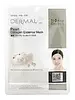
This hydrating sheet mask is formulated around Aloe Barbadensis Leaf Juice and Portulaca Oleracea Extract to hydrate skin and calm redness.
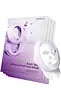
This anti-aging sheet mask is formulated around Niacinamide and Adenosine to soften the look of wrinkles and refine skin texture.

What's inside
What's inside
 Key Ingredients
Benefits
Concerns
Ingredients Side-by-side







Water
Skin ConditioningDipropylene Glycol
HumectantCetyl Ethylhexanoate
EmollientGlycerin
Humectant


Niacinamide
Smoothing









Polyglyceryl-10 Stearate
Skin Conditioning

1,2-Hexanediol
Skin Conditioning
Hydrogenated Poly(C6-14 Olefin)
EmollientIsopentyldiol
Humectant
Glyceryl Stearate Se
Emulsifying


Butylene Glycol
Humectant
Neopentyl Glycol Diheptanoate
EmollientCarbomer
Emulsion StabilisingArginine
Masking
Panthenol
Skin Conditioning
Trehalose
Humectant
Ethylhexylglycerin
Skin ConditioningXanthan Gum
EmulsifyingAdenosine
Skin Conditioning
Sodium Polyacrylate
Absorbent
Disodium EDTA
ChelatingPropanediol
Solvent
Polylactic Acid
Abrasive
Polyglyceryl-10 Laurate
Skin Conditioning
Saccharomyces/Silicon Ferment
Skin Conditioning
Saccharomyces/Copper Ferment
Skin Conditioning
Saccharomyces/Magnesium Ferment
Saccharomyces/Iron Ferment
Skin Conditioning
Saccharomyces/Zinc Ferment
Skin Conditioning
Polyglyceryl-6 Laurate
Emulsifying
Caprylic/Capric Triglyceride
Masking
Hydrogenated Lecithin
Emulsifying
Thioctic Acid
Antioxidant
Hydrolyzed Collagen
Emollient
Adenosine Triphosphate
Skin ConditioningNicotinamide Adenine Dinucleotide
Skin ConditioningResveratrol
Antioxidant
Polyglyceryl-3 Methylglucose Distearate
Emulsifying
Pullulan
Ubiquinone
Antioxidant
Sodium Palmitoyl Sarcosinate
CleansingAstaxanthin
Skin Conditioning
Pisum Sativum Peptide
Skin Conditioning
Acetyl Hexapeptide-8
Humectant
Palmitoyl Pentapeptide-4
Skin Conditioning
Palmitoyl Tripeptide-1
Skin Conditioning
Copper Tripeptide-1
Skin Conditioning
Hexapeptide-9
Skin Conditioning
Nonapeptide-1
Skin Conditioning
Tripeptide-1
Skin Conditioning
Acetyl Tetrapeptide-5
Humectant
Acetyl Tetrapeptide-9
Skin Conditioning
Acetyl Tetrapeptide-2
Skin Conditioning
Acetyl Octapeptide-3
Humectant
Acetyl Hexapeptide-1
Skin Conditioning
Acetyl Sh-Pentapeptide-1
Skin Conditioning
Alanine
Masking
Acetyl Dipeptide-1 Cetyl Ester
Skin Conditioning
Biotinoyl Tripeptide-1
Dipeptide-4
Skin Conditioning
Hexapeptide-11
Skin Conditioning
Hexapeptide-12
Skin Conditioning
Myristoyl Pentapeptide-17
Skin Conditioning
Myristoyl Hexapeptide-16
Skin Conditioning
Myristoyl Pentapeptide-4
Skin Conditioning
Nicotinoyl Tripeptide-1
Antioxidant
Nonapeptide-7
Skin Conditioning
Nicotinoyl Tripeptide-35
Antioxidant
Nicotinoyl Dipeptide-26
Skin Conditioning
Nicotinoyl Dipeptide-23
Skin Conditioning
Octapeptide-2
Skin Conditioning
Palmitoyl Tripeptide-5
Skin Conditioning
Palmitoyl Hexapeptide-12
Skin Conditioning
Pentapeptide-13
Skin Conditioning
Palmitoyl Tetrapeptide-10
Skin Conditioning
Palmitoyl Tripeptide-38
Skin Conditioning
Palmitoyl Tripeptide-29
Skin Conditioning
Palmitoyl Tripeptide-8
Skin Conditioning
Tetrapeptide-44
Skin Conditioning
Tetrapeptide-30
Skin Conditioning
Tripeptide-10 Citrulline
Skin Conditioning
Tripeptide-32
Skin Conditioning
Tripeptide-29
Skin Conditioning
Caprylyl Glycol
Emollient
Dipeptide Diaminobutyroyl Benzylamide Diacetate
Skin Conditioning
Arginine/Lysine Polypeptide
Skin Conditioning
Dextran
Hydrolyzed Elastin
EmollientSoluble Collagen
Humectant
Acetyl Tetrapeptide-3
Skin Protecting
Trifolium Pratense Flower Extract
AstringentGlucose
Humectant
Mannose
HumectantSh-Octapeptide-4
Antioxidant
Sh-Decapeptide-7
Antioxidant
Collagen
Moisturising
Elastin
Skin ConditioningGlutathione
Palmitoyl Tetrapeptide-7
Skin Conditioning
Oligopeptide-29
Antioxidant
Oligopeptide-32
Antiseborrhoeic
Sr-Oligopeptide-1
Skin Protecting
R-Clostridium Botulinum Polypeptide-1
Skin Conditioning
Sh-Polypeptide-22
Skin Conditioning
Sh-Oligopeptide-1
Skin Conditioning
Sh-Polypeptide-1
Skin Conditioning
Sh-Polypeptide-9
Skin Conditioning
Sh-Oligopeptide-2
Skin Conditioning
Sh-Polypeptide-11
Sh-Polypeptide-3
Skin Conditioning
Sh-Polypeptide-16
Skin Protecting
Sh-Polypeptide-62
Antioxidant
Methylpropanediol
SolventSorbitan Stearate
Emulsifying
Allantoin
Skin Conditioning
Dipotassium Glycyrrhizate
Humectant
Ammonium Acryloyldimethyltaurate/Vp Copolymer
Glyceryl Acrylate/Acrylic Acid Copolymer
HumectantPvm/Ma Copolymer
Emulsion StabilisingSr-(Oligopeptide-91 Clostridium Botulinum Polypeptide-1)
Skin Conditioning
Water, Dipropylene Glycol, Cetyl Ethylhexanoate, Glycerin, Niacinamide, Polyglyceryl-10 Stearate, 1,2-Hexanediol, Hydrogenated Poly(C6-14 Olefin), Isopentyldiol, Glyceryl Stearate Se, Butylene Glycol, Neopentyl Glycol Diheptanoate, Carbomer, Arginine, Panthenol, Trehalose, Ethylhexylglycerin, Xanthan Gum, Adenosine, Sodium Polyacrylate, Disodium EDTA, Propanediol, Polylactic Acid, Polyglyceryl-10 Laurate, Saccharomyces/Silicon Ferment, Saccharomyces/Copper Ferment, Saccharomyces/Magnesium Ferment, Saccharomyces/Iron Ferment, Saccharomyces/Zinc Ferment, Polyglyceryl-6 Laurate, Caprylic/Capric Triglyceride, Hydrogenated Lecithin, Thioctic Acid, Hydrolyzed Collagen, Adenosine Triphosphate, Nicotinamide Adenine Dinucleotide, Resveratrol, Polyglyceryl-3 Methylglucose Distearate, Pullulan, Ubiquinone, Sodium Palmitoyl Sarcosinate, Astaxanthin, Pisum Sativum Peptide, Acetyl Hexapeptide-8, Palmitoyl Pentapeptide-4, Palmitoyl Tripeptide-1, Copper Tripeptide-1, Hexapeptide-9, Nonapeptide-1, Tripeptide-1, Acetyl Tetrapeptide-5, Acetyl Tetrapeptide-9, Acetyl Tetrapeptide-2, Acetyl Octapeptide-3, Acetyl Hexapeptide-1, Acetyl Sh-Pentapeptide-1, Alanine, Acetyl Dipeptide-1 Cetyl Ester, Biotinoyl Tripeptide-1, Dipeptide-4, Hexapeptide-11, Hexapeptide-12, Myristoyl Pentapeptide-17, Myristoyl Hexapeptide-16, Myristoyl Pentapeptide-4, Nicotinoyl Tripeptide-1, Nonapeptide-7, Nicotinoyl Tripeptide-35, Nicotinoyl Dipeptide-26, Nicotinoyl Dipeptide-23, Octapeptide-2, Palmitoyl Tripeptide-5, Palmitoyl Hexapeptide-12, Pentapeptide-13, Palmitoyl Tetrapeptide-10, Palmitoyl Tripeptide-38, Palmitoyl Tripeptide-29, Palmitoyl Tripeptide-8, Tetrapeptide-44, Tetrapeptide-30, Tripeptide-10 Citrulline, Tripeptide-32, Tripeptide-29, Caprylyl Glycol, Dipeptide Diaminobutyroyl Benzylamide Diacetate, Arginine/Lysine Polypeptide, Dextran, Hydrolyzed Elastin, Soluble Collagen, Acetyl Tetrapeptide-3, Trifolium Pratense Flower Extract, Glucose, Mannose, Sh-Octapeptide-4, Sh-Decapeptide-7, Collagen, Elastin, Glutathione, Palmitoyl Tetrapeptide-7, Oligopeptide-29, Oligopeptide-32, Sr-Oligopeptide-1, R-Clostridium Botulinum Polypeptide-1, Sh-Polypeptide-22, Sh-Oligopeptide-1, Sh-Polypeptide-1, Sh-Polypeptide-9, Sh-Oligopeptide-2, Sh-Polypeptide-11, Sh-Polypeptide-3, Sh-Polypeptide-16, Sh-Polypeptide-62, Methylpropanediol, Sorbitan Stearate, Allantoin, Dipotassium Glycyrrhizate, Ammonium Acryloyldimethyltaurate/Vp Copolymer, Glyceryl Acrylate/Acrylic Acid Copolymer, Pvm/Ma Copolymer, Sr-(Oligopeptide-91 Clostridium Botulinum Polypeptide-1)
Reviews
Ingredients Explained
These ingredients are found in both products.
Ingredients higher up in an ingredient list are typically present in a larger amount.
Butylene Glycol (or BG) is used within cosmetic products for a few different reasons:
Overall, Butylene Glycol is a safe and well-rounded ingredient that works well with other ingredients.
Though this ingredient works well with most skin types, some people with sensitive skin may experience a reaction such as allergic rashes, closed comedones, or itchiness.
Learn more about Butylene GlycolDisodium EDTA is a chelating agent. It grabs onto and deactivates metal ions that sneak into your products from water, packaging, or air.
This ingredient mainly works behind the scenes and helps with:
On top of that, this ingredient can counteract the effects of hard water by binding to the minerals in it.
One thing worth knowing is that Disodium EDTA has been shown to be a mild penetration enhancer. It can help other ingredients absorb into skin more effectively which can be a double-edged sword (great for actives, but can also make the active too strong if you have sensitive skin).
Clinical patch testing showed no significant skin irritation at typical use concentrations and minimal dermal absorption.
You'll most likely see this ingredient near the end of an ingredient list. It's typically found in concentrations less than 1%.
Learn more about Disodium EDTAGlycerin (or glycerol) is a compound naturally found in your skin. It's a powerhouse humectant that pulls water into the stratum corneum.
Topically, glycerin does several things at once:
Your skin makes glycerin on its own (mostly from sebaceous oil breakdown) and shuttles it to your outermost layer of skin, or your epidermis, via aquaporin-3.
Aquaporin-3 is a transporter that is essential for normal skin hydration, elasticity, and repair. Interestingly, mice lacking in AQP3 have dry and less elastic skin that can be fully corrected with glycerin.
This ingredient is non-irritating, plays well with almost every ingredient, and works across all skin types. Typical use is anywhere between 3-10% but can go up to 79% in some leave-on products.
Just know very high concentrations (>40%) can feel tacky in low humidity.
Glycerin is the name for this ingredient in American English. British English uses Glycerol/Glycerine.
Learn more about GlycerinHydrolyzed Collagen is Collagen (usually sourced from fish, bovine, or porcine byproducts) that's been broken down into smaller peptides. This makes it water-soluble and easy to blend into formulations.
In a formula, it works mainly as a skin-conditioning and moisturizing agent.
The small peptides and amino acids (including Natural Moisturizing Factor components like Hydroxyproline, Serine, and Aspartic Acid) help the surface of the skin hold onto water, feel softer, and look temporarily plumper.
This ingredient also has mild film-forming and antioxidant properties with research showing the antioxidant effect is stronger the lower the molecular weight of the peptides.
It's worth being realistic here:
Topically applied Hydrolyzed Collagen conditions the upper layers of skin rather than rebuilding the structural collagen deep in your dermis (the wrinkle-and-firmness benefits people associate with Collagen mostly come from oral supplements in studies, not topicals).
However, recent lab and skin-model work on Hydrolyzed Fish Collagen has shown promising effects on cell viability and wound healing when used as an active.
Typical concentrations range from 0.2-2%, but the percentage can go much higher in rinse-off or hair products (sometimes even above 50%).
Clinical studies on this ingredient showed no irritation, sensitization, or phototoxicity.
If you are looking for vegan collagen, it usually goes by a different INCI name like hydrolyzed soy protein. Vegan collagen is derived from yeast, bacteria, or plant sources.
The results are varied.
A study from 2021 found hydrolyzed collagen increased elasticity and improved wrinkles in 1,125 participants between age 20 and 70. Another study found increased skin thickness in participants between the ages of 45 to 59.
However, It is difficult to prove that oral collagen will end up working on your skin. Many of the studies using hydrolyzed collagen also add several vitamins and nutrients into the test mixture as well.
Further studies are needed at this time.
Learn more about Hydrolyzed CollagenPanthenol is a common ingredient that helps hydrate and soothe the skin. It is found naturally in our skin and hair.
There are two forms of panthenol: D and L.
D-panthenol is also known as dexpanthenol. Most cosmetics use dexpanthenol or a mixture of D and L-panthenol.
Panthenol is famous due to its ability to go deeper into the skin's layers. Using this ingredient has numerous pros (and no cons):
Like hyaluronic acid, panthenol is a humectant. Humectants are able to bind and hold large amounts of water to keep skin hydrated.
This ingredient works well for wound healing. It works by increasing tissue in the wound and helps close open wounds.
Once oxidized, panthenol converts to pantothenic acid. Panthothenic acid is found in all living cells.
This ingredient is also referred to as pro-vitamin B5.
Learn more about PanthenolWater. It's the most common cosmetic ingredient of all. You'll usually see it at the top of ingredient lists, meaning that it makes up the largest part of the product.
So why is it so popular? Water most often acts as a solvent - this means that it helps dissolve other ingredients into the formulation.
You'll also recognize water as that liquid we all need to stay alive. If you see this, drink a glass of water. Remember to stay hydrated!
Learn more about WaterXanthan gum is used as a stabilizer and thickener within cosmetic products. It helps give products a sticky, thick feeling - preventing them from being too runny.
On the technical side of things, xanthan gum is a polysaccharide - a combination consisting of multiple sugar molecules bonded together.
Xanthan gum is a pretty common and great ingredient. It is a natural, non-toxic, non-irritating ingredient that is also commonly used in food products.
Learn more about Xanthan Gum

