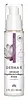
This anti-aging serum is formulated around Palmitoyl Tripeptide-38 and Acetyl Hexapeptide-8 to soften the look of wrinkles and refine skin texture.
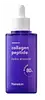
This anti-aging ampoule is formulated around Collagen Extract and Niacinamide to soften the look of wrinkles and hydrate skin.


What's inside
What's inside
 Key Ingredients
Benefits
Concerns
Ingredients Side-by-side
Water
Skin ConditioningGlycerin
Humectant


Camellia Sinensis Leaf Extract
Antimicrobial






Propanediol
Solvent
Hydroxypropyl Cyclodextrin
MaskingPalmitoyl Tripeptide-38
Skin Conditioning

Acetyl Hexapeptide-8
Humectant
Microcrystalline Cellulose
AbsorbentCellulose Gum
Emulsion StabilisingPanthenol
Skin Conditioning
Pinus Pinaster Bark Extract
Antioxidant
Acacia Seyal Gum Extract
HumectantAscorbyl Palmitate
Antioxidant


Tocopheryl Acetate
Antioxidant
Allantoin
Skin Conditioning
Caprylic/Capric Triglyceride
Masking
Ethylhexyl Palmitate
Emollient


Leucine
Skin ConditioningTyrosine
MaskingAlanine
Masking
Xanthan Gum
EmulsifyingSodium Citrate
BufferingPhenoxyethanol
Preservative
Ethylhexylglycerin
Skin ConditioningParfum
Masking


Water, Glycerin, Camellia Sinensis Leaf Extract, Propanediol, Hydroxypropyl Cyclodextrin, Palmitoyl Tripeptide-38, Acetyl Hexapeptide-8, Microcrystalline Cellulose, Cellulose Gum, Panthenol, Pinus Pinaster Bark Extract, Acacia Seyal Gum Extract, Ascorbyl Palmitate, Tocopheryl Acetate, Allantoin, Caprylic/Capric Triglyceride, Ethylhexyl Palmitate, Leucine, Tyrosine, Alanine, Xanthan Gum, Sodium Citrate, Phenoxyethanol, Ethylhexylglycerin, Parfum
Collagen Extract
Skin Conditioning
Glycerin
Humectant
Butylene Glycol
Humectant
Niacinamide
Smoothing


Betaine
Humectant
Glycereth-26
Humectant
Acetyl Hexapeptide-8
Humectant
Copper Tripeptide-1
Skin Conditioning
Oligopeptide-29
Antioxidant
Oligopeptide-32
Antiseborrhoeic
Palmitoyl Pentapeptide-4
Skin Conditioning
Palmitoyl Tripeptide-1
Skin Conditioning
Palmitoyl Tetrapeptide-7
Skin Conditioning
Palmitoyl Tripeptide-5
Skin Conditioning
Octapeptide-7
Skin Protecting
Sh-Decapeptide-7
Antioxidant
Sh-Octapeptide-4
Antioxidant
Sh-Oligopeptide-9
Humectant
Sh-Pentapeptide-19
Skin Conditioning
Pentapeptide-18
Skin Conditioning
Acetyl Tetrapeptide-5
Humectant
Sh-Oligopeptide-1
Skin Conditioning
Sh-Oligopeptide-2
Skin Conditioning
Sh-Polypeptide-1
Skin Conditioning
Sh-Polypeptide-22
Skin Conditioning
Dipeptide Diaminobutyroyl Benzylamide Diacetate
Skin Conditioning
Hydrolyzed Elastin
EmollientHydrolyzed Collagen
Emollient
Sodium Hyaluronate
Humectant
Sodium Acetylated Hyaluronate
Humectant
Hydrolyzed Hyaluronic Acid
Humectant
Hydroxypropyltrimonium Hyaluronate
Sodium Hyaluronate Crosspolymer
Humectant
Hyaluronic Acid
Humectant
Potassium Hyaluronate
Skin ConditioningHydrolyzed Extensin
Skin ConditioningIsostearic Acid
Cleansing
Sucrose Stearate
EmollientPhytosteryl/Octyldodecyl Lauroyl Glutamate
Skin ConditioningOctyldodecanol
Emollient
Sodium Stearoyl Glutamate
Cleansing1,2-Hexanediol
Skin Conditioning
Ceramide NP
Skin Conditioning
Squalane
Emollient
Caprylic/Capric Glycerides
EmollientXylitylglucoside
Humectant
Anhydroxylitol
Humectant
Xylitol
Humectant
Water
Skin ConditioningDextrin
AbsorbentCyclodextrin
AbsorbentPentylene Glycol
Skin Conditioning
Cocos Nucifera Fruit Extract
Emollient
Pinus Sylvestris Leaf Extract
TonicPolyglyceryl-10 Laurate
Skin Conditioning
Propanediol
Solvent
Caprylyl Glycol
Emollient
Acrylates/C10-30 Alkyl Acrylate Crosspolymer
Emulsion StabilisingCaprylic/Capric Triglyceride
Masking
Arginine
Masking
Chlorphenesin
Antimicrobial
Xanthan Gum
EmulsifyingAdenosine
Skin Conditioning
Sodium Polyacrylate
Absorbent
Disodium EDTA
ChelatingEthylhexylglycerin
Skin ConditioningCollagen Extract, Glycerin, Butylene Glycol, Niacinamide, Betaine, Glycereth-26, Acetyl Hexapeptide-8, Copper Tripeptide-1, Oligopeptide-29, Oligopeptide-32, Palmitoyl Pentapeptide-4, Palmitoyl Tripeptide-1, Palmitoyl Tetrapeptide-7, Palmitoyl Tripeptide-5, Octapeptide-7, Sh-Decapeptide-7, Sh-Octapeptide-4, Sh-Oligopeptide-9, Sh-Pentapeptide-19, Pentapeptide-18, Acetyl Tetrapeptide-5, Sh-Oligopeptide-1, Sh-Oligopeptide-2, Sh-Polypeptide-1, Sh-Polypeptide-22, Dipeptide Diaminobutyroyl Benzylamide Diacetate, Hydrolyzed Elastin, Hydrolyzed Collagen, Sodium Hyaluronate, Sodium Acetylated Hyaluronate, Hydrolyzed Hyaluronic Acid, Hydroxypropyltrimonium Hyaluronate, Sodium Hyaluronate Crosspolymer, Hyaluronic Acid, Potassium Hyaluronate, Hydrolyzed Extensin, Isostearic Acid, Sucrose Stearate, Phytosteryl/Octyldodecyl Lauroyl Glutamate, Octyldodecanol, Sodium Stearoyl Glutamate, 1,2-Hexanediol, Ceramide NP, Squalane, Caprylic/Capric Glycerides, Xylitylglucoside, Anhydroxylitol, Xylitol, Water, Dextrin, Cyclodextrin, Pentylene Glycol, Cocos Nucifera Fruit Extract, Pinus Sylvestris Leaf Extract, Polyglyceryl-10 Laurate, Propanediol, Caprylyl Glycol, Acrylates/C10-30 Alkyl Acrylate Crosspolymer, Caprylic/Capric Triglyceride, Arginine, Chlorphenesin, Xanthan Gum, Adenosine, Sodium Polyacrylate, Disodium EDTA, Ethylhexylglycerin
Reviews
Ingredients Explained
These ingredients are found in both products.
Ingredients higher up in an ingredient list are typically present in a larger amount.
Acetyl Hexapeptide-8 (also known as Argireline) is a synthetic hexapeptide that is often called a "topical Botox alternative".
It works by mimicking how Botox relaxes muscles; it interferes with the signaling process that tells your facial muscles to contract. This can help soften expression lines like forehead wrinkles or crow's feet over time.
The comparison to Botox does have limits because the molecule is water-loving and relatively large.
Acetyl Hexapeptide-8 has a hard time absorbing deeply enough through the skin's outer barrier to actually reach the muscles.
So whether it truly works the way Botox does at a biological level is still up for debate, but early clinical outcomes are fairly encouraging.
A 12 week human study of a multi-ingredient regimen containing this ingredient saw:
While some studies have observed improvements in wrinkle appearance, it is important to note that more consistent results are seen in multi-ingredient formulations (vs just Acetyl Hexapeptide-8 alone).
Some research studies also used higher concentrations (up to 10%) while this ingredient is usually found in concentrations up to 0.005% in leave-on formulations.
Learn more about Acetyl Hexapeptide-8Caprylic/Capric Triglyceride (aka MCT Oil) is a lightweight emollient, solvent, and texture enhancer. It is considered a skin-softener by helping to prevent moisture loss.
Though it behaves like an oil, it is not technically one due to its chemical composition. One perk of this ingredient is that it is very stable, resistant to oxidation, and unlikely to go rancid.
In practice, that translates to a long shelf life and a consistently elegant skin feel.
While there is an assumption Caprylic Triglyceride can clog pores due to it being derived from coconut oil, there is no research supporting this. Just patch test if you have concerns.
Fractionated coconut oil and MCT Oil are both listed as Caprylic/Capric Triglyceride according to INCI. This is because INCI names are based on the ingredient’s final chemical composition and not its marketing name or source.
This ingredient is treated as the gold standard fungal acne safe oil. Even though it is coconut derived, the problematic lauric acid is stripped out.
This leaves just caprylic (C8) and capric (C10) acid. These chain lengths actually trend antifungal; a 2020 study found caprylic acid was enough to disrupt Malassezia furfur cell membrane, with a caprylic acid derivative damaging membrane structures at concentrations as low as 0.2%.
Learn more about Caprylic/Capric TriglycerideEthylhexylglycerin is created from glycerin. It is a multitasker ingredient that:
The CIR Expert Panel found minimal skin absorption or sensitization of any kind in a safety assessment. Though this ingredient is considered well-tolerated, a small number of cases of allergic dermatitis have been published since 2002. Just be sure to patch test if you are unsure.
Industry-reported use ranges from 8% in rinse-off products and 2% in leave-on formulations.
Learn more about EthylhexylglycerinGlycerin (or glycerol) is a compound naturally found in your skin. It's a powerhouse humectant that pulls water into the stratum corneum.
Topically, glycerin does several things at once:
Your skin makes glycerin on its own (mostly from sebaceous oil breakdown) and shuttles it to your outermost layer of skin, or your epidermis, via aquaporin-3.
Aquaporin-3 is a transporter that is essential for normal skin hydration, elasticity, and repair. Interestingly, mice lacking in AQP3 have dry and less elastic skin that can be fully corrected with glycerin.
This ingredient is non-irritating, plays well with almost every ingredient, and works across all skin types. Typical use is anywhere between 3-10% but can go up to 79% in some leave-on products.
Just know very high concentrations (>40%) can feel tacky in low humidity.
Glycerin is the name for this ingredient in American English. British English uses Glycerol/Glycerine.
Learn more about GlycerinPropanediol is an all-star ingredient. It softens, hydrates, and smooths the skin.
It’s often used to:
Propanediol is not likely to cause sensitivity and considered safe to use. It is derived from corn or petroleum with a clear color and no scent.
Learn more about PropanediolWater. It's the most common cosmetic ingredient of all. You'll usually see it at the top of ingredient lists, meaning that it makes up the largest part of the product.
So why is it so popular? Water most often acts as a solvent - this means that it helps dissolve other ingredients into the formulation.
You'll also recognize water as that liquid we all need to stay alive. If you see this, drink a glass of water. Remember to stay hydrated!
Learn more about WaterXanthan gum is used as a stabilizer and thickener within cosmetic products. It helps give products a sticky, thick feeling - preventing them from being too runny.
On the technical side of things, xanthan gum is a polysaccharide - a combination consisting of multiple sugar molecules bonded together.
Xanthan gum is a pretty common and great ingredient. It is a natural, non-toxic, non-irritating ingredient that is also commonly used in food products.
Learn more about Xanthan Gum

