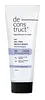
This calming moisturizer is formulated around Calendula Officinalis Extract and Aloe Barbadensis Extract to calm redness and hydrate skin.
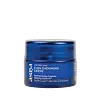
This brightening moisturizer is formulated around Niacinamide to fade the look of dark spots and strengthen the skin barrier.

What's inside
What's inside
 Key Ingredients
No key ingredients
Benefits
Concerns
No concerns
Ingredients Side-by-side
Water
Skin ConditioningCalendula Officinalis Extract
Skin Conditioning

Glycerin
Humectant


Diheptyl Succinate
EmollientAloe Barbadensis Extract
Skin Conditioning
Triethanolamine
BufferingPhenoxyethanol
Preservative
Betaine
Humectant
Acrylates/C10-30 Alkyl Acrylate Crosspolymer
Emulsion StabilisingSodium PCA
Humectant
Panthenol
Skin Conditioning
Sodium Gluconate
ChelatingEthylhexylglycerin
Skin ConditioningSodium Lactate
Buffering
PCA
Humectant
Capryloyl Glycerin/Sebacic Acid Copolymer
Skin ConditioningSerine
Masking
Alanine
Masking
Glycine
Buffering
Glutamic Acid
Humectant
Lysine Hcl
Skin Conditioning
Threonine
Arginine
Masking
Proline
Skin Conditioning
Water, Calendula Officinalis Extract, Glycerin, Diheptyl Succinate, Aloe Barbadensis Extract, Triethanolamine, Phenoxyethanol, Betaine, Acrylates/C10-30 Alkyl Acrylate Crosspolymer, Sodium PCA, Panthenol, Sodium Gluconate, Ethylhexylglycerin, Sodium Lactate, PCA, Capryloyl Glycerin/Sebacic Acid Copolymer, Serine, Alanine, Glycine, Glutamic Acid, Lysine Hcl, Threonine, Arginine, Proline
Water
Skin ConditioningCaprylic/Capric Triglyceride
Masking
Niacinamide
Smoothing







Arisaema Amurense Extract
Skin ConditioningDecyl Glucoside
Cleansing
Hexanediol
SolventButylene Glycol
Humectant
Propanediol
Solvent
Polyacrylate-13
Polyisobutene
Polysorbate 20
Emulsifying

Glyceryl Stearate
Emollient
PEG-100 Stearate
Surfactant
Phenoxyethanol
Preservative
Ethylhexylglycerin
Skin ConditioningCentella Asiatica Extract
Cleansing
Hippophae Rhamnoides Extract
MaskingCrocus Sativus Flower Extract
MaskingGlycyrrhiza Glabra Root Extract
Bleaching
Sodium Benzoate
Masking
Potassium Sorbate
Preservative
Arbutin
Antioxidant

Acrylates/C10-30 Alkyl Acrylate Crosspolymer
Emulsion StabilisingCetearyl Alcohol
Emollient



Laminaria Digitata Extract
Skin Protecting
Cetyl-Pg Hydroxyethyl Palmitamide
Skin ConditioningCeramide EOP
Skin Conditioning
Ceramide Ns
Skin Conditioning
Ceramide NP
Skin Conditioning
Ceramide As
Skin Conditioning
Ceramide AP
Skin Conditioning
Sodium Hydroxide
BufferingPentaerythrityl Tetra-Di-T-Butyl Hydroxyhydrocinnamate
Antioxidant
Sodium Gluconate
ChelatingTocopheryl Acetate
Antioxidant
Parfum
Masking


Water, Caprylic/Capric Triglyceride, Niacinamide, Arisaema Amurense Extract, Decyl Glucoside, Hexanediol, Butylene Glycol, Propanediol, Polyacrylate-13, Polyisobutene, Polysorbate 20, Glyceryl Stearate, PEG-100 Stearate, Phenoxyethanol, Ethylhexylglycerin, Centella Asiatica Extract, Hippophae Rhamnoides Extract, Crocus Sativus Flower Extract, Glycyrrhiza Glabra Root Extract, Sodium Benzoate, Potassium Sorbate, Arbutin, Acrylates/C10-30 Alkyl Acrylate Crosspolymer, Cetearyl Alcohol, Laminaria Digitata Extract, Cetyl-Pg Hydroxyethyl Palmitamide, Ceramide EOP, Ceramide Ns, Ceramide NP, Ceramide As, Ceramide AP, Sodium Hydroxide, Pentaerythrityl Tetra-Di-T-Butyl Hydroxyhydrocinnamate, Sodium Gluconate, Tocopheryl Acetate, Parfum
Reviews
Ingredients Explained
These ingredients are found in both products.
Ingredients higher up in an ingredient list are typically present in a larger amount.
Acrylates/C10-30 Alkyl Acrylate Crosspolymer is a synthetic polymer. It is used to thicken, emulsify, and improve the texture of products.
As an emulsifier, it helps stabilize oil-in-water emulsions to give products an elegant feel when applied.
It can also form a thin protective film on skin. One study found that a formula using this polymer helped slow down how quickly other ingredients (like DEET) were absorbed through skin.
A 2024 study of over 1,300 patients confirmed that sensitization to this ingredient is rare. It is also non-mutagenic and has a clean track record.
Learn more about Acrylates/C10-30 Alkyl Acrylate CrosspolymerEthylhexylglycerin is created from glycerin. It is a multitasker ingredient that:
The CIR Expert Panel found minimal skin absorption or sensitization of any kind in a safety assessment. Though this ingredient is considered well-tolerated, a small number of cases of allergic dermatitis have been published since 2002. Just be sure to patch test if you are unsure.
Industry-reported use ranges from 8% in rinse-off products and 2% in leave-on formulations.
Learn more about EthylhexylglycerinPhenoxyethanol is one of the most widely used preservatives in skincare (and for good reason!).
It has a large spectrum of antimicrobial activity and especially effective bacteria, yeast, and mold while only having a weak effect on your skin's natural microbiome.
On a cellular level, it disrupts the cell membranes of microbes by poking holes that make the cell leak. This shuts down the chemical reactions the microbe needs to make energy so it can no longer survive.
Another perk of this ingredient is that it stays functional across a wide pH range (3-10).
You'll often see it paired with boosters like Ethylhexylglycerin; one study showed that a 1:9 ratio of Ethylhexylglycerin to Phenoxyethanol damages bacterial membranes as effectively as doubling the Phenoxyethanol concentration on its own.
Typical use concentrations range from 0.3-1% depending on the formula, and this ingredient is capped at 1% int the EU.
Safety-wise, the fear mongering does not hold up to the evidence. The EU's Scientific Committee on Consumer Safety and FDA consider it safe as a preservative at up to 1%, including for children of all ages.
Adverse systemic effects only showed up in animal studies at exposures roughly 200x higher than what people get from cosmetics. And despite its very widespread use, this ingredient is a rare sensitizer and allergic reactions are uncommon.
Learn more about PhenoxyethanolSodium Gluconate is the sodium salt of gluconic acid. In skincare, its main job is as a chelator.
Chelators grab onto stray metal ions like iron and copper that sneak in through water, raw materials, or manufacturing equipment. This stops them from triggering reactions that cause oils to go rancid, formulas to change color, and actives like vitamin C to fall apart.
This ingredient is often chosen as a biodegradable, gentler-sounding alternative to EDTA. It also pulls double duty as a mild humectant and pH buffer.
Typical use levels sit around 0.1-1% and supplier documents list up to 10% as an acceptable ceiling. Industry data found this ingredient family is mostly used well below 1% in leave on products.
Allergy risk is very low; animal testing has found it to be non-irritating to skin and eyes, mutagenicity assays came back negative, and there are no published reports of allergic contact dermatitis to it.
Learn more about Sodium GluconateWater. It's the most common cosmetic ingredient of all. You'll usually see it at the top of ingredient lists, meaning that it makes up the largest part of the product.
So why is it so popular? Water most often acts as a solvent - this means that it helps dissolve other ingredients into the formulation.
You'll also recognize water as that liquid we all need to stay alive. If you see this, drink a glass of water. Remember to stay hydrated!
Learn more about Water

