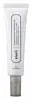
This anti-aging eye moisturizer is formulated around Portulaca Oleracea Extract and Copper Tripeptide-1 to soften the look of wrinkles and hydrate skin.
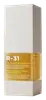
This anti-aging eye moisturizer is formulated around Lactobacillus Ferment and Ectoin to soften the look of wrinkles.


What's inside
What's inside
 Key Ingredients
Benefits
Concerns
Ingredients Side-by-side
Water
Skin ConditioningGlycerin
Humectant


1,2-Hexanediol
Skin Conditioning
Butylene Glycol
Humectant
Portulaca Oleracea Extract
Skin Conditioning

Tromethamine
BufferingSodium PCA
Humectant
Carbomer
Emulsion StabilisingHydroxyethyl Acrylate/Sodium Acryloyldimethyl Taurate Copolymer
Emulsion StabilisingPolyglyceryl-10 Laurate
Skin Conditioning

Simmondsia Chinensis Seed Oil
Emollient
Argania Spinosa Kernel Oil
Emollient

Propanediol
Solvent
Ethylhexylglycerin
Skin ConditioningTocopherol
Antioxidant



Phaseolus Angularis Seed Extract
Antioxidant
Xanthan Gum
EmulsifyingSorbitan Isostearate
Emulsifying
Perilla Frutescens Extract
Skin ConditioningChaenomeles Sinensis Fruit Extract
Antioxidant
Diospyros Kaki Leaf Extract
Skin Protecting
Cinnamomum Cassia Bark Extract
Masking
Artemisia Princeps Leaf Extract
Skin ConditioningChrysanthellum Indicum Extract
Skin Conditioning
Camellia Sinensis Leaf Extract
Antimicrobial
Copper Tripeptide-1
Skin Conditioning
Oligopeptide-32
Antiseborrhoeic
Oligopeptide-29
Antioxidant
Acetyl Hexapeptide-8
Humectant
Caffeine
Skin Conditioning
Niacinamide
Smoothing


Hydrogenated Lecithin
Emulsifying
Water, Glycerin, 1,2-Hexanediol, Butylene Glycol, Portulaca Oleracea Extract, Tromethamine, Sodium PCA, Carbomer, Hydroxyethyl Acrylate/Sodium Acryloyldimethyl Taurate Copolymer, Polyglyceryl-10 Laurate, Simmondsia Chinensis Seed Oil, Argania Spinosa Kernel Oil, Propanediol, Ethylhexylglycerin, Tocopherol, Phaseolus Angularis Seed Extract, Xanthan Gum, Sorbitan Isostearate, Perilla Frutescens Extract, Chaenomeles Sinensis Fruit Extract, Diospyros Kaki Leaf Extract, Cinnamomum Cassia Bark Extract, Artemisia Princeps Leaf Extract, Chrysanthellum Indicum Extract, Camellia Sinensis Leaf Extract, Copper Tripeptide-1, Oligopeptide-32, Oligopeptide-29, Acetyl Hexapeptide-8, Caffeine, Niacinamide, Hydrogenated Lecithin
Water
Skin ConditioningButylene Glycol
Humectant
Glycerin
Humectant
Lactobacillus Ferment
Skin Conditioning
Bellis Perennis Flower Extract
Skin ConditioningPerilla Frutescens Extract
Skin ConditioningEthoxydiglycol
HumectantMaltodextrin
Absorbent
Hieracium Pilosella Extract
MaskingPentylene Glycol
Skin Conditioning
Propanediol
Solvent
Ectoin
Skin Conditioning
Acetyl Tetrapeptide-5
Humectant
Palmitoyl Hexapeptide-12
Skin Conditioning
Tripeptide-32
Skin Conditioning
Dipeptide-2
Skin Conditioning
Acetyl Hexapeptide-8
Humectant
Acetyl Heptapeptide-4
Humectant
Palmitoyl Tripeptide-8
Skin Conditioning
Palmitoyl Tripeptide-1
Skin Conditioning
Palmitoyl Tetrapeptide-7
Skin Conditioning
Nicotiana Benthamiana Octapeptide-30 Sh-Oligopeptide-2
Skin Conditioning
Oligopeptide-1
Skin Conditioning
Sodium DNA
Skin Conditioning
Rna
Skin ConditioningHouttuynia Cordata Extract
Skin Conditioning
Phospholipids
Skin Conditioning
Sphingolipids
Emollient
Glycolipids
Skin ConditioningBacillus Ferment
Skin Conditioning
Alteromonas Ferment Extract
Skin Conditioning
Micrococcus Lysate
Skin ConditioningHydrolyzed Yeast Extract
Skin ConditioningHelianthus Annuus Sprout Extract
Skin ConditioningAcrylates/C10-30 Alkyl Acrylate Crosspolymer
Emulsion StabilisingMethylpropanediol
SolventPolyglyceryl-4 Caprate
EmulsifyingPolyglyceryl-6 Caprylate
EmulsifyingTromethamine
BufferingEthylhexylglycerin
Skin ConditioningPropylene Glycol
Humectant
1,2-Hexanediol
Skin Conditioning
Fucus Vesiculosus Extract
Emollient
Caprylhydroxamic Acid
ChelatingTrisodium Ethylenediamine Disuccinate
ChelatingChlamydomonas Reinhardtii Extract
HumectantSodium Citrate
BufferingCaprylyl Glycol
Emollient
Hexylene Glycol
EmulsifyingPoria Cocos Sclerotium Extract
AstringentChrysanthellum Indicum Extract
Skin Conditioning
Citric Acid
Buffering
Gentiana Lutea Root Extract
Skin ConditioningSodium Benzoate
Masking
Xanthan Gum
EmulsifyingSodium Dehydroacetate
Preservative
P-Anisic Acid
MaskingDextran
Tocopherol
Antioxidant
Water, Butylene Glycol, Glycerin, Lactobacillus Ferment, Bellis Perennis Flower Extract, Perilla Frutescens Extract, Ethoxydiglycol, Maltodextrin, Hieracium Pilosella Extract, Pentylene Glycol, Propanediol, Ectoin, Acetyl Tetrapeptide-5, Palmitoyl Hexapeptide-12, Tripeptide-32, Dipeptide-2, Acetyl Hexapeptide-8, Acetyl Heptapeptide-4, Palmitoyl Tripeptide-8, Palmitoyl Tripeptide-1, Palmitoyl Tetrapeptide-7, Nicotiana Benthamiana Octapeptide-30 Sh-Oligopeptide-2, Oligopeptide-1, Sodium DNA, Rna, Houttuynia Cordata Extract, Phospholipids, Sphingolipids, Glycolipids, Bacillus Ferment, Alteromonas Ferment Extract, Micrococcus Lysate, Hydrolyzed Yeast Extract, Helianthus Annuus Sprout Extract, Acrylates/C10-30 Alkyl Acrylate Crosspolymer, Methylpropanediol, Polyglyceryl-4 Caprate, Polyglyceryl-6 Caprylate, Tromethamine, Ethylhexylglycerin, Propylene Glycol, 1,2-Hexanediol, Fucus Vesiculosus Extract, Caprylhydroxamic Acid, Trisodium Ethylenediamine Disuccinate, Chlamydomonas Reinhardtii Extract, Sodium Citrate, Caprylyl Glycol, Hexylene Glycol, Poria Cocos Sclerotium Extract, Chrysanthellum Indicum Extract, Citric Acid, Gentiana Lutea Root Extract, Sodium Benzoate, Xanthan Gum, Sodium Dehydroacetate, P-Anisic Acid, Dextran, Tocopherol
Reviews
Ingredients Explained
These ingredients are found in both products.
Ingredients higher up in an ingredient list are typically present in a larger amount.
1,2-Hexanediol is a synthetic liquid and another multi-functional powerhouse.
It is a:
- Humectant, drawing moisture into the skin
- Emollient, helping to soften skin
- Solvent, dispersing and stabilizing formulas
- Preservative booster, enhancing the antimicrobial activity of other preservatives
Acetyl Hexapeptide-8 (also known as Argireline) is a synthetic hexapeptide that is often called a "topical Botox alternative".
It works by mimicking how Botox relaxes muscles; it interferes with the signaling process that tells your facial muscles to contract. This can help soften expression lines like forehead wrinkles or crow's feet over time.
The comparison to Botox does have limits because the molecule is water-loving and relatively large.
Acetyl Hexapeptide-8 has a hard time absorbing deeply enough through the skin's outer barrier to actually reach the muscles.
So whether it truly works the way Botox does at a biological level is still up for debate, but early clinical outcomes are fairly encouraging.
A 12 week human study of a multi-ingredient regimen containing this ingredient saw:
While some studies have observed improvements in wrinkle appearance, it is important to note that more consistent results are seen in multi-ingredient formulations (vs just Acetyl Hexapeptide-8 alone).
Some research studies also used higher concentrations (up to 10%) while this ingredient is usually found in concentrations up to 0.005% in leave-on formulations.
Learn more about Acetyl Hexapeptide-8Butylene Glycol (or BG) is used within cosmetic products for a few different reasons:
Overall, Butylene Glycol is a safe and well-rounded ingredient that works well with other ingredients.
Though this ingredient works well with most skin types, some people with sensitive skin may experience a reaction such as allergic rashes, closed comedones, or itchiness.
Learn more about Butylene GlycolThis ingredient is also known as golden chamomile extract. It is rich in antioxidants and has skin conditioning properties.
It has an interesting effect on capillary health and has been shown to strengthen capillaries/improve blood flow in the skin. A 2005 study using a cream with this ingredient significantly reduced redness and rosacea severity over 12 weeks with minimal side effects.
French patent research also backs up the anti-inflammatory and circulation supporting properties at concentrations of 0.01-2%.
Learn more about Chrysanthellum Indicum ExtractEthylhexylglycerin is created from glycerin. It is a multitasker ingredient that:
The CIR Expert Panel found minimal skin absorption or sensitization of any kind in a safety assessment. Though this ingredient is considered well-tolerated, a small number of cases of allergic dermatitis have been published since 2002. Just be sure to patch test if you are unsure.
Industry-reported use ranges from 8% in rinse-off products and 2% in leave-on formulations.
Learn more about EthylhexylglycerinGlycerin (or glycerol) is a compound naturally found in your skin. It's a powerhouse humectant that pulls water into the stratum corneum.
Topically, glycerin does several things at once:
Your skin makes glycerin on its own (mostly from sebaceous oil breakdown) and shuttles it to your outermost layer of skin, or your epidermis, via aquaporin-3.
Aquaporin-3 is a transporter that is essential for normal skin hydration, elasticity, and repair. Interestingly, mice lacking in AQP3 have dry and less elastic skin that can be fully corrected with glycerin.
This ingredient is non-irritating, plays well with almost every ingredient, and works across all skin types. Typical use is anywhere between 3-10% but can go up to 79% in some leave-on products.
Just know very high concentrations (>40%) can feel tacky in low humidity.
Glycerin is the name for this ingredient in American English. British English uses Glycerol/Glycerine.
Learn more about GlycerinWe don't have a description for Perilla Frutescens Extract yet.
Propanediol is an all-star ingredient. It softens, hydrates, and smooths the skin.
It’s often used to:
Propanediol is not likely to cause sensitivity and considered safe to use. It is derived from corn or petroleum with a clear color and no scent.
Learn more about PropanediolTocopherol is a fat-soluble antioxidant known as Vitamin E.
You'll find this ingredient in the vast majority of skincare (for good reason). It works to neutralize free radicals, or unstable molecules generated by UV exposure, pollution, and other environmental stressors, before they can cause oxidative damage to your skin cells.
Topically applied tocopherol has been shown to protect against UV damage by ramping up the skin's own natural defense enzymes.
It also acts as a skin conditioning agent; some studies show that regular topical use can improve the skin's water-binding capacity over 2-4 weeks.
This ingredient is especially loved for being a team player. When combined with Vitamin C, the photoprotective effect of both ingredients roughly doubles and the combo also helps reduce UV-induced DNA damage.
This ingredient has some brightening potential but it's more of a prevention ingredient than spot-fader. Cell studies show it can slow down melanin production but it's worth noting that it's not the most powerful brightener out there.
In formulations, it also serves as a stabilizer that helps protect other oxidation-prone ingredients from degrading.
Concentrations usually range from 0.1-1% in most leave-on products.
Learn more about TocopherolTromethamine (aka THAM) is a synthetic amino acid that shows up in skincare as a helper ingredient.
It functions as a pH adjuster to help neutralize acidic ingredients and set a formula's pH to the right spot.
This matters a lot because a lot of actives (like vitamin C) needs a specific pH to work well and feel comfortable on skin.
Concentration use ranges from 0.1-1.0% depending on the formula.
Learn more about TromethamineWater. It's the most common cosmetic ingredient of all. You'll usually see it at the top of ingredient lists, meaning that it makes up the largest part of the product.
So why is it so popular? Water most often acts as a solvent - this means that it helps dissolve other ingredients into the formulation.
You'll also recognize water as that liquid we all need to stay alive. If you see this, drink a glass of water. Remember to stay hydrated!
Learn more about WaterXanthan gum is used as a stabilizer and thickener within cosmetic products. It helps give products a sticky, thick feeling - preventing them from being too runny.
On the technical side of things, xanthan gum is a polysaccharide - a combination consisting of multiple sugar molecules bonded together.
Xanthan gum is a pretty common and great ingredient. It is a natural, non-toxic, non-irritating ingredient that is also commonly used in food products.
Learn more about Xanthan Gum

