
What's inside
What's inside
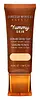 Key Ingredients
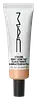
Benefits
Concerns
Ingredients Side-by-side
Water
Skin ConditioningGlycerin
Humectant


Isododecane
EmollientDimethicone
Emollient
Propylene Glycol
Humectant

Calcium Sodium Borosilicate
Caprylic/Capric Triglyceride
Masking
Hydrogenated Polyisobutene
EmollientSqualane
Emollient
Xylitylglucoside
Humectant
Anhydroxylitol
Humectant
Sr-Hydrozoan Polypeptide-1
Humectant
Sodium Hyaluronate
Humectant

Ceramide NP
Skin Conditioning

Phytosterols
Skin Conditioning
Opunta Dillenii Extract
Xylitol
Humectant
Caprylhydroxamic Acid
ChelatingSaccharide Isomerate
Humectant
Sodium Stearoyl Glutamate
CleansingTocopheryl Acetate
Antioxidant


Stearalkonium Hectorite
Gel FormingPropylene Carbonate
SolventCoco-Caprylate/Caprate
Emollient
Glyceryl Stearate
Emollient
Betaine
Humectant
Magnesium Sulfate
Glyceryl Caprylate
EmollientPentylene Glycol
Skin Conditioning
Polyglyceryl-4 Diisostearate/Polyhydroxystearate/Sebacate
Emulsifying
Sorbitan Isostearate
Emulsifying
Butylene Glycol
Humectant
Phosphatidylcholine
EmulsifyingHydroxyacetophenone
Antioxidant
Ethylhexyl Hydroxystearate
Emollient
Cetyl PEG/PPG-10/1 Dimethicone
Emulsifying
Triethoxycaprylylsilane
Aluminum Hydroxide
EmollientPotassium Sorbate
Preservative
Phenoxyethanol
Preservative
CI 77163
Cosmetic Colorant
Titanium Dioxide
Cosmetic Colorant

Iron Oxides
Water, Glycerin, Isododecane, Dimethicone, Propylene Glycol, Calcium Sodium Borosilicate, Caprylic/Capric Triglyceride, Hydrogenated Polyisobutene, Squalane, Xylitylglucoside, Anhydroxylitol, Sr-Hydrozoan Polypeptide-1, Sodium Hyaluronate, Ceramide NP, Phytosterols, Opunta Dillenii Extract, Xylitol, Caprylhydroxamic Acid, Saccharide Isomerate, Sodium Stearoyl Glutamate, Tocopheryl Acetate, Stearalkonium Hectorite, Propylene Carbonate, Coco-Caprylate/Caprate, Glyceryl Stearate, Betaine, Magnesium Sulfate, Glyceryl Caprylate, Pentylene Glycol, Polyglyceryl-4 Diisostearate/Polyhydroxystearate/Sebacate, Sorbitan Isostearate, Butylene Glycol, Phosphatidylcholine, Hydroxyacetophenone, Ethylhexyl Hydroxystearate, Cetyl PEG/PPG-10/1 Dimethicone, Triethoxycaprylylsilane, Aluminum Hydroxide, Potassium Sorbate, Phenoxyethanol, CI 77163, Titanium Dioxide, Iron Oxides
Water
Skin ConditioningHydrogenated Didecene
Skin ConditioningGlycerin
Humectant
Propanediol
Solvent
Isoamyl Laurate
Emollient
Squalane
Emollient
Cetyl PEG/PPG-10/1 Dimethicone
Emulsifying
Soybean Glycerides
EmollientHydrogenated Styrene/Isoprene Copolymer
Polyglyceryl-4 Isostearate
Emulsifying
Sodium Chloride
MaskingButyrospermum Parkii Butter Unsaponifiables
Skin Conditioning
Glycyrrhiza Glabra Root Extract
Bleaching
Camellia Sinensis Leaf Extract
Antimicrobial

Disteardimonium Hectorite
StabilisingCaprylyl Glycol
Emollient
1,2-Hexanediol
Skin Conditioning
Sodium Hyaluronate
Humectant
Disodium EDTA
ChelatingAscorbyl Palmitate
Antioxidant
Pentaerythrityl Tetra-Di-T-Butyl Hydroxyhydrocinnamate
Antioxidant
Hydroxyacetophenone
Antioxidant
Tocopheryl Acetate
Antioxidant
BHT
Antioxidant
Phenoxyethanol
Preservative
Mica
Cosmetic ColorantCI 77891
Cosmetic ColorantCI 77491
Cosmetic ColorantCI 77492
Cosmetic ColorantCI 77499
Cosmetic ColorantCI 77163
Cosmetic Colorant
CI 42090
Cosmetic ColorantCI 77289
Cosmetic ColorantCI 77288
Cosmetic ColorantCI 77510
Cosmetic ColorantCI 77742
Cosmetic ColorantCI 15850
Cosmetic ColorantCI 45410
Cosmetic ColorantCI 73360
Cosmetic ColorantCI 77007
Cosmetic ColorantCI 19140
Cosmetic ColorantCI 15985
Cosmetic ColorantWater, Hydrogenated Didecene, Glycerin, Propanediol, Isoamyl Laurate, Squalane, Cetyl PEG/PPG-10/1 Dimethicone, Soybean Glycerides, Hydrogenated Styrene/Isoprene Copolymer, Polyglyceryl-4 Isostearate, Sodium Chloride, Butyrospermum Parkii Butter Unsaponifiables, Glycyrrhiza Glabra Root Extract, Camellia Sinensis Leaf Extract, Disteardimonium Hectorite, Caprylyl Glycol, 1,2-Hexanediol, Sodium Hyaluronate, Disodium EDTA, Ascorbyl Palmitate, Pentaerythrityl Tetra-Di-T-Butyl Hydroxyhydrocinnamate, Hydroxyacetophenone, Tocopheryl Acetate, BHT, Phenoxyethanol, Mica, CI 77891, CI 77491, CI 77492, CI 77499, CI 77163, CI 42090, CI 77289, CI 77288, CI 77510, CI 77742, CI 15850, CI 45410, CI 73360, CI 77007, CI 19140, CI 15985
Reviews
Ingredients Explained
These ingredients are found in both products.
Ingredients higher up in an ingredient list are typically present in a larger amount.
This ingredient is a silicone-based emulsifer that helps the water and oil phases play nicely together.
It's pretty effective because one end of the molecule loves oil and the other one loves water.
Besides holding formulas together, it also leaves a silky and lightweight feel on skin without the greasiness. A manufacturer also claims it can help with the controlled release of active ingredients.
The CIR Expert Panel found this ingredient to not be sensitizing in concentrations up to 15% in human maximazation testing and dimethicone-based compounds were not comedogenic.
It has a high molecular weight well above 1,000 g/mol which means it limits meaningful skin penetration.
A 2019 study specifically tested this ingredient and found no observable Malassezia growth in its presence.
Learn more about Cetyl PEG/PPG-10/1 DimethiconeCI 77163 is the color-index name for Bismuth Oxychloride, a lab-made white powder that acts as a pearl pigment.
It's what gives a lot of pressed powders, eyeshadows, highlighteres, and mineral foundations that soft pearly glow.
Due to its structure as flat, plate-like crystals that stack like tiles, it feels silky and sticks to skin well. This also makes it very chemically stable and insoluble under normal skin conditions (this just means it sits on top of skin rather than going into it).
It has an interesting quirk: it slowly goes gray in sunlight and the graying is partly reversible in the dark.
At this time, there's no legal cap on how much a brand can use. Both the FDA and the EU permit it without restriction so real-world concentration levels come down to formulation:
Allergy risk is low as well since it's insoluble and doesn't release free metal ions into skin. True allergic contact dermatitis to it is rare enough that there's very little published cases.
However, mineral makeup users do report itching or stinging. The leading explanation for this is irritation from those stiff platelet crystals rubbing on skin (also more likely with heavy, high-percentage loose mineral powders) rather than an immune reaction.
This ingredient shows up on a lot of "pore-clogging" lists but there's no real evidence behind that. It doesn't even have a comedogenic rating from an actual study; the numbers you'll find online come from blogs citing other blogs.
Some people still find it breaks them out. So if that's you, definitely trust your skin.
Learn more about CI 77163Glycerin (or glycerol) is a compound naturally found in your skin. It's a powerhouse humectant that pulls water into the stratum corneum.
Topically, glycerin does several things at once:
Your skin makes glycerin on its own (mostly from sebaceous oil breakdown) and shuttles it to your outermost layer of skin, or your epidermis, via aquaporin-3.
Aquaporin-3 is a transporter that is essential for normal skin hydration, elasticity, and repair. Interestingly, mice lacking in AQP3 have dry and less elastic skin that can be fully corrected with glycerin.
This ingredient is non-irritating, plays well with almost every ingredient, and works across all skin types. Typical use is anywhere between 3-10% but can go up to 79% in some leave-on products.
Just know very high concentrations (>40%) can feel tacky in low humidity.
Glycerin is the name for this ingredient in American English. British English uses Glycerol/Glycerine.
Learn more about GlycerinHydroxyacetophenone is a small phenolic molecule that earns its place in a formulas as an antioxidant and preservative booster.
As a phenol, it is able to neutralize free radicals to protect both the product and the skin from oxidative stress.
Though it can't kill microbes on its own, it works as a good supporting agent when combined with other preservatives like Phenoxyethanol or 1,2-Hexanediol.
This ingredient naturally occurs as piceol in Norwegian spruce needles (~0.4-1.1% dry weight and in cloudberries). Though the cosmetic-grade material is synthesized for purity and consistency.
You'll usually see it used at low levels and suppliers recommend up to 1% added to a water phase.
Safety testing was done at concentrations like 0.05% in SPF products and 0.5% in a Human Repeated Insult Patch Test. The safety evidence is assuring; this ingredient is safe for cosmetics in current use and also holds safety status as a food flavoring as well.
An honest caveat: the "soothing" and "anti-inflammatory" claims come mostly from supplier marketing rather than published clinical trials. The Cosmetic Ingredient Review's own literature search found no useful efficacy studies on this ingredient.
So the antioxidant and preservative-boosting roles are the well supported ones while the calming benefit is plausible but thinly evidenced.
Overall, this is a well-tolerated, low-irritation multitasker that quietly helps a formula stay fresh and stable.
Learn more about HydroxyacetophenonePhenoxyethanol is one of the most widely used preservatives in skincare (and for good reason!).
It has a large spectrum of antimicrobial activity and especially effective bacteria, yeast, and mold while only having a weak effect on your skin's natural microbiome.
On a cellular level, it disrupts the cell membranes of microbes by poking holes that make the cell leak. This shuts down the chemical reactions the microbe needs to make energy so it can no longer survive.
Another perk of this ingredient is that it stays functional across a wide pH range (3-10).
You'll often see it paired with boosters like Ethylhexylglycerin; one study showed that a 1:9 ratio of Ethylhexylglycerin to Phenoxyethanol damages bacterial membranes as effectively as doubling the Phenoxyethanol concentration on its own.
Typical use concentrations range from 0.3-1% depending on the formula, and this ingredient is capped at 1% int the EU.
Safety-wise, the fear mongering does not hold up to the evidence. The EU's Scientific Committee on Consumer Safety and FDA consider it safe as a preservative at up to 1%, including for children of all ages.
Adverse systemic effects only showed up in animal studies at exposures roughly 200x higher than what people get from cosmetics. And despite its very widespread use, this ingredient is a rare sensitizer and allergic reactions are uncommon.
Learn more about PhenoxyethanolSodium Hyaluronate is the salt form of hyaluronic acid. It is a long sugar chain that is naturally found in your skin, joints, and connective tissue that maintains hydration and elasticity.
In skincare, it works as a humectant. It pulls water from the environment and deeper layers of skin and binds it to the surface.
Interestingly, the size of the molecule affects its behavior:
Some clinical evidence links low molecular weight versions to improved wrinkle depth, elasticity, anti-inflammatory effects, and barrier repair.
Many serums use a blend of both weights so you can get surface hydration plus longer-lasting and deeper effects.
You'll typically see concentrations between 0.1-2% for this ingredient.
Learn more about Sodium HyaluronateSqualane is the hydrogenated and shelf-stable form of squalene (a lipid that naturally occurs in human sebum).
It is an emollient and skin conditioning agent that is able to integrate seamlessly into the skin's lipid barrier without clogging pores.
This is due to how structurally similar it is to what your skin already produces.
Though it is mostly an emollient that helps soften and hydrate skin, it also has some humectant and occlusive action. Humectants help the skin retain moisture while occlusives seal it in, making squalane a triple-threat moisturizer.
Research shows it has antioxidant capabilities that help protect against stressors like UV exposure, specifically UVA induced oxidative stress. This study also found that it supports collagen biosynthesis in human dermal fibroblasts.
No clinical study has reported significant adverse effects and irritation reactions are very rare from this ingredient (even at 100% concentration).
Overall, it's a fantastic ingredient for hydration and is suitable for all skin types.
This depends on the source. Squalane can be derived from both plants and animals. Most squalane used in skincare comes from plants.
Please note: the source of squalane is only known if disclosed by the brand. We recommend reaching out to the brand if you have any questions about their squalane.
Read more about squalene with an "e".
Though squalane is often called an oil, it’s technically not one. It is a hydrocarbon, meaning it is only made of carbon and hydrogen. True oils are triglycerides and made of fatty acids and glycerol.
The term “oil-free” isn’t regulated so companies can define it however they want. Some exclude all oils, while others just avoid mineral oil or comedogenic oils.
Squalane has a comedogenic rating of 1 from the original 1972 study that tested raw ingredients under occlusion on rabbit ears. This system is not standardized or peer-reviewed, and using the raw ingredients is very different from how diluted cosmetic formulations are used on human skin.
A comedogenic rating of 1 means it is "unlikely to clog pores" according to the original rating system.
The overall formula of a product matters more than the individual ingredients on whether or not it will cause clogged pores.
Learn more about SqualaneTocopheryl Acetate is a stable, shelf-friendly form of vitamin E.
Formulators love it because plain vitamin E oxidizes quickly once it hits air. This acetate version stays stable and resists going off, helping to extend a product's shelf life.
It's actually inactive on its own and works like a slow-release "storage" form; the enzymes in your skin called esterases gradually convert it into active vitamin E over time.
One in vivo study showed 5% of the acetate in the living layer of the epidermis converted to vitamin E after 5 days of application. This study also found the skin gained protection against UV damage even though the conversion was slow and small.
Once converted, vitamin E acts as a skin's main fat-soluble antioxidant that fights free radicals to protect skin from damage.
Topical vitamin E generally boosts the skin's photoprotection, and it reduced UV-damage in animal models.
This ingredient has some brightening potential but it's more of a prevention ingredient than spot-fader. Cell studies show it can slow down melanin production but it's worth noting that it's not the most powerful brightener out there.
Overall, it has a pretty solid safety profile and has been found to be non-irritating and non-comedogenic. Allergic reactions may happen but stay rare due to how widely the ingredient gets used.
The concentration will vary depending on the formula; industry data shows 0.1% in baby lotions, 3% in lipsticks, and 5% in foot powders. You can also find this ingredient at 100% in a pure vitamin E oil.
Most leave-on skincare keeps it at the lower end, often between 0.5-1%.
Learn more about Tocopheryl AcetateWater. It's the most common cosmetic ingredient of all. You'll usually see it at the top of ingredient lists, meaning that it makes up the largest part of the product.
So why is it so popular? Water most often acts as a solvent - this means that it helps dissolve other ingredients into the formulation.
You'll also recognize water as that liquid we all need to stay alive. If you see this, drink a glass of water. Remember to stay hydrated!
Learn more about Water

