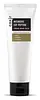
This anti-aging moisturizer is formulated around Niacinamide and Sh-Oligopeptide-1 to soften the look of wrinkles.
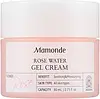
This calming moisturizer is formulated around Rosa Damascena Flower Water to calm redness.

What's inside
What's inside
 Key Ingredients
Benefits
Concerns
Ingredients Side-by-side
Water
Skin ConditioningGlycerin
Humectant


Paraffinum Liquidum
Emollient


Butylene Glycol
Humectant
Dipropylene Glycol
HumectantCaprylic/Capric Triglyceride
Masking
Sodium Hyaluronate
Humectant


Butylene Glycol Dicaprylate/Dicaprate
EmollientPolyglyceryl-3 Methylglucose Distearate
Emulsifying

Niacinamide
Smoothing







Glyceryl Acrylate/Acrylic Acid Copolymer
HumectantPropylene Glycol
Humectant
1,2-Hexanediol
Skin Conditioning
Cetearyl Alcohol
Emollient

Polysorbate 60
Emulsifying
Cyclomethicone
Emollient
Macadamia Integrifolia Seed Oil
Skin Conditioning
Butyrospermum Parkii Butter
Skin Conditioning
Betaine
Humectant
Panax Ginseng Root Extract
Emollient
Acanthopanax Senticosus Root Extract
Skin ConditioningPunica Granatum Fruit Extract
Antioxidant
Carthamus Tinctorius Flower Extract
Skin ConditioningPanax Ginseng Callus Culture Extract
Skin ConditioningHydrolyzed Collagen
Emollient
Ganoderma Lucidum Extract
Skin Protecting
Grifola Frondosa Extract
Skin ConditioningPhellinus Linteus Extract
Skin ConditioningFomes Officinalis Extract
Skin ProtectingSarcodon Aspratus Extract
Antioxidant
Trametes Versicolor Extract
Inonotus Obliquus Extract
Skin ConditioningAgaricus Blazei Extract
Skin ConditioningTricholoma Matsutake Extract
Skin ConditioningPropolis Extract
Skin Conditioning
Hydrogenated Lecithin
Emulsifying
Sh-Oligopeptide-1
Skin Conditioning
Copper Tripeptide-1
Skin Conditioning
Dimethicone
Emollient
Arachidyl Alcohol
Emollient
Behenyl Alcohol
Emollient
Arachidyl Glucoside
EmulsifyingPolysorbate 20
Emulsifying
Stearic Acid
Cleansing
Phenoxyethanol
Preservative
Arginine
Masking
Carbomer
Emulsion StabilisingPanthenol
Skin Conditioning
Allantoin
Skin Conditioning
Tocopheryl Acetate
Antioxidant
Adenosine
Skin Conditioning
Disodium EDTA
ChelatingXanthan Gum
EmulsifyingEthylhexylglycerin
Skin ConditioningParfum
Masking

Water, Glycerin, Paraffinum Liquidum, Butylene Glycol, Dipropylene Glycol, Caprylic/Capric Triglyceride, Sodium Hyaluronate, Butylene Glycol Dicaprylate/Dicaprate, Polyglyceryl-3 Methylglucose Distearate, Niacinamide, Glyceryl Acrylate/Acrylic Acid Copolymer, Propylene Glycol, 1,2-Hexanediol, Cetearyl Alcohol, Polysorbate 60, Cyclomethicone, Macadamia Integrifolia Seed Oil, Butyrospermum Parkii Butter, Betaine, Panax Ginseng Root Extract, Acanthopanax Senticosus Root Extract, Punica Granatum Fruit Extract, Carthamus Tinctorius Flower Extract, Panax Ginseng Callus Culture Extract, Hydrolyzed Collagen, Ganoderma Lucidum Extract, Grifola Frondosa Extract, Phellinus Linteus Extract, Fomes Officinalis Extract, Sarcodon Aspratus Extract, Trametes Versicolor Extract, Inonotus Obliquus Extract, Agaricus Blazei Extract, Tricholoma Matsutake Extract, Propolis Extract, Hydrogenated Lecithin, Sh-Oligopeptide-1, Copper Tripeptide-1, Dimethicone, Arachidyl Alcohol, Behenyl Alcohol, Arachidyl Glucoside, Polysorbate 20, Stearic Acid, Phenoxyethanol, Arginine, Carbomer, Panthenol, Allantoin, Tocopheryl Acetate, Adenosine, Disodium EDTA, Xanthan Gum, Ethylhexylglycerin, Parfum
Rosa Damascena Flower Water
Masking
Dimethicone
Emollient
Propanediol
Solvent
Butylene Glycol
Humectant
Glycerin
Humectant
Trehalose
Humectant
Trisiloxane
Skin Conditioning
Ammonium Acryloyldimethyltaurate/Vp Copolymer
1,2-Hexanediol
Skin Conditioning
Glyceryl Polymethacrylate
Water
Skin ConditioningHydrogenated Lecithin
Emulsifying
Carbomer
Emulsion StabilisingCetearyl Alcohol
Emollient
Tromethamine
BufferingParfum
Masking
Glyceryl Caprylate
EmollientGlyceryl Stearate
Emollient
Stearic Acid
Cleansing
Disodium EDTA
ChelatingEthylhexylglycerin
Skin ConditioningPolyglyceryl-3 Methylglucose Distearate
Emulsifying
Sodium Hyaluronate
Humectant
Sucrose
Humectant
CI 77491
Cosmetic ColorantSilica
Abrasive
Rosa Canina Fruit Extract
Astringent
Tocopherol
Antioxidant
Indole Acetic Acid
Skin ConditioningRosa Damascena Flower Water, Dimethicone, Propanediol, Butylene Glycol, Glycerin, Trehalose, Trisiloxane, Ammonium Acryloyldimethyltaurate/Vp Copolymer, 1,2-Hexanediol, Glyceryl Polymethacrylate, Water, Hydrogenated Lecithin, Carbomer, Cetearyl Alcohol, Tromethamine, Parfum, Glyceryl Caprylate, Glyceryl Stearate, Stearic Acid, Disodium EDTA, Ethylhexylglycerin, Polyglyceryl-3 Methylglucose Distearate, Sodium Hyaluronate, Sucrose, CI 77491, Silica, Rosa Canina Fruit Extract, Tocopherol, Indole Acetic Acid
Ingredients Explained
These ingredients are found in both products.
Ingredients higher up in an ingredient list are typically present in a larger amount.
1,2-Hexanediol is a synthetic liquid and another multi-functional powerhouse.
It is a:
- Humectant, drawing moisture into the skin
- Emollient, helping to soften skin
- Solvent, dispersing and stabilizing formulas
- Preservative booster, enhancing the antimicrobial activity of other preservatives
Butylene Glycol (or BG) is used within cosmetic products for a few different reasons:
Overall, Butylene Glycol is a safe and well-rounded ingredient that works well with other ingredients.
Though this ingredient works well with most skin types, some people with sensitive skin may experience a reaction such as allergic rashes, closed comedones, or itchiness.
Learn more about Butylene GlycolCarbomer is a synthetic thickening and gelling agent. It's basically the ingredient that gives a lot of serums, gels, creams, and sunscreens their smooth, non-sticky texture.
Although legally permitted at very high levels, carbomers are normally used at concentrations below 1%.
It also needs to be neutralized to actually thicken, and because it is a large molecule, it doesn't really penetrate the skin barrier.
Allergy-wise, the risk is very low. Clinical studies show carbomers have low potential for skin irritation/sensitization even at concentrations up to 100%.
A 2024 UK study patch-tested 1,302 patients and found true allergy to the parent group of carbomer to be rare with no confirmed relevant reactions.
Learn more about CarbomerCetearyl alcohol is a waxy mixture of two fatty alcohols: cetyl alcohol and stearyl alcohol. It is an emollient and emulsifier.
Despite having "alcohol" in its name, it has nothing to do with drying solvent alcohols; the FDA also allows "alcohol-free" products to contain fatty alcohols like this ingredient.
It plays several roles in a formula:
Typical use levels for this ingredient sit around 1-10% and the Cosmetic Ingredient Review Expert Panel has affirmed safety at concentrations up to 25% in leave-on products.
Multiple assessments have found it to be non-irritating and non-sensitizing to most people.
However, there have been some cases of allergic contact dermatitis in patients with chronically compromised skin barriers.
Cetearyl alcohol has a comedogenic rating of 2 and irritancy rating of 1. Both of these numbers come from the 1989 study that used rabbit ears; a "2" means mildly comedogenic and a "1" means low irritancy.
Here's the catch: rabbit skin is more sensitive than human skin and throws a lot of false positives. A 1996 reappraisal found that ingredients rated 1-2 in the rabbit ear tests are generally safe for humans.
Remember comedogenic ratings are unable to assess the entire formula of a product or how it will react on your skin. Just be sure to patch test if you are unsure about certain ingredients.
This ingredient is not fungal acne safe. Cetearyl alcohol is a fatty alcohol with chain lengths that fall within the range that Malassezia can metabolize.
A 2019 study has also observed Malassezia growth in the presence of this ingredient, confirming it to be not-fungal acne safe.
Learn more about Cetearyl AlcoholDimethicone is a type of synthetic silicone created from natural materials such as quartz. It is also known as polydimethylsiloxane.
What it does:
Dimethicone comes in different viscosities:
Depending on the viscosity, dimethicone has different properties.
Ingredients lists don't always show which type is used, so we recommend reaching out to the brand if you have questions about the viscosity.
This ingredient is unlikely to cause irritation because it does not get absorbed into skin. However, people with silicone allergies should be careful about using this ingredient.
Note: Dimethicone may contribute to pilling. This is because it is not oil or water soluble, so pilling may occur when layered with products. When mixed with heavy oils in a formula, the outcome is also quite greasy.
Learn more about DimethiconeDisodium EDTA is a chelating agent. It grabs onto and deactivates metal ions that sneak into your products from water, packaging, or air.
This ingredient mainly works behind the scenes and helps with:
On top of that, this ingredient can counteract the effects of hard water by binding to the minerals in it.
One thing worth knowing is that Disodium EDTA has been shown to be a mild penetration enhancer. It can help other ingredients absorb into skin more effectively which can be a double-edged sword (great for actives, but can also make the active too strong if you have sensitive skin).
Clinical patch testing showed no significant skin irritation at typical use concentrations and minimal dermal absorption.
You'll most likely see this ingredient near the end of an ingredient list. It's typically found in concentrations less than 1%.
Learn more about Disodium EDTAEthylhexylglycerin is created from glycerin. It is a multitasker ingredient that:
The CIR Expert Panel found minimal skin absorption or sensitization of any kind in a safety assessment. Though this ingredient is considered well-tolerated, a small number of cases of allergic dermatitis have been published since 2002. Just be sure to patch test if you are unsure.
Industry-reported use ranges from 8% in rinse-off products and 2% in leave-on formulations.
Learn more about EthylhexylglycerinGlycerin (or glycerol) is a compound naturally found in your skin. It's a powerhouse humectant that pulls water into the stratum corneum.
Topically, glycerin does several things at once:
Your skin makes glycerin on its own (mostly from sebaceous oil breakdown) and shuttles it to your outermost layer of skin, or your epidermis, via aquaporin-3.
Aquaporin-3 is a transporter that is essential for normal skin hydration, elasticity, and repair. Interestingly, mice lacking in AQP3 have dry and less elastic skin that can be fully corrected with glycerin.
This ingredient is non-irritating, plays well with almost every ingredient, and works across all skin types. Typical use is anywhere between 3-10% but can go up to 79% in some leave-on products.
Just know very high concentrations (>40%) can feel tacky in low humidity.
Glycerin is the name for this ingredient in American English. British English uses Glycerol/Glycerine.
Learn more about GlycerinHydrogenated Lecithin is a more stable version of lecithin.
It's made by taking lecithin (a phospholipid commonly found in soybeans and egg yolks) and hydrogenating it. This just means the unsaturated fatty acids are turned into saturated ones so they don't go bad as easily.
This ingredient is an emollient, emulsifier, and penetration enhancer. As an emollient, it helps soften and hydrate skin by trapping moisture within. As an emulsifier, it prevents oil and water ingredients from separating.
Hydrogenated Lecithin can form tiny spherical structures made of phospholipid bilayers called liposomes. These liposomes are able to capture compounds inside their structure and deliver them through the skin barrier.
Because phospholipids are a natural component of our cell membranes, this ingredient is inherently compatible with skin.
A 2021 study found lecithin-based surfactants were less harsh and more tolerable comared to Sodium Lauryl Sulfate (SLS).
Learn more about Hydrogenated LecithinParfum is a catch-all term for an ingredient or more that is used to give a scent to products.
Also called "fragrance", this ingredient can be a blend of hundreds of chemicals or plant oils. This means every product with "fragrance" or "parfum" in the ingredients list is a different mixture.
For instance, Habanolide is a proprietary trade name for a specific aroma chemical. When used as a fragrance ingredient in cosmetics, most aroma chemicals fall under the broad labeling category of “FRAGRANCE” or “PARFUM” according to EU and US regulations.
The term 'parfum' or 'fragrance' is not regulated in many countries. In many cases, it is up to the brand to define this term.
For instance, many brands choose to label themselves as "fragrance-free" because they are not using synthetic fragrances. However, their products may still contain ingredients such as essential oils that are considered a fragrance by INCI standards.
One example is Calendula flower extract. Calendula is an essential oil that still imparts a scent or 'fragrance'.
Depending on the blend, the ingredients in the mixture can cause allergies and sensitivities on the skin. Some ingredients that are known EU allergens include linalool and citronellol.
Parfum can also be used to mask or cover an unpleasant scent.
The bottom line is: not all fragrances/parfum/ingredients are created equally. If you are worried about fragrances, we recommend taking a closer look at an ingredient. And of course, we always recommend speaking with a professional.
Learn more about ParfumPolyglyceryl-3 Methylglucose Distearate is a plant-derived emulsifier whose only job is to keep the oily and watery parts of a formula blended so it doesn't separate into layers.
It's compatible with a wide-range of active ingredients and especially good at making emulsions survive heat/freeze cycles.
Typical use concentrations range from 2-3% and it works across a pH of 4.5-8.5.
This ingredient has been found safe to use in cosmetics and has a low irritation profile.
Because it's build on stearic acid, it may not be fungal acne safe. Stearic acid is a C18 fatty acid that falls within the range (C11-24) that Malassezia can feed on.
Learn more about Polyglyceryl-3 Methylglucose DistearateSodium Hyaluronate is the salt form of hyaluronic acid. It is a long sugar chain that is naturally found in your skin, joints, and connective tissue that maintains hydration and elasticity.
In skincare, it works as a humectant. It pulls water from the environment and deeper layers of skin and binds it to the surface.
Interestingly, the size of the molecule affects its behavior:
Some clinical evidence links low molecular weight versions to improved wrinkle depth, elasticity, anti-inflammatory effects, and barrier repair.
Many serums use a blend of both weights so you can get surface hydration plus longer-lasting and deeper effects.
You'll typically see concentrations between 0.1-2% for this ingredient.
Learn more about Sodium HyaluronateStearic Acid is a fatty acid that is already found in your skin. It's one of the free fatty acids that works alongside ceramides and cholesterols to maintain your barrier.
In cosmetics, it is a multitasker:
Safety-wise, the CIR Expert Panel has concluded it to be safe in cosmetics when formulated to be non-irritating and non-sensitizing.
Free stearic acid is a C18 fatty acid that the Malassezia yeast can substrate, so this ingredient may not be fungal acne safe.
Learn more about Stearic AcidWater. It's the most common cosmetic ingredient of all. You'll usually see it at the top of ingredient lists, meaning that it makes up the largest part of the product.
So why is it so popular? Water most often acts as a solvent - this means that it helps dissolve other ingredients into the formulation.
You'll also recognize water as that liquid we all need to stay alive. If you see this, drink a glass of water. Remember to stay hydrated!
Learn more about Water

