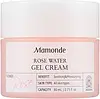
This calming moisturizer is formulated around Rosa Damascena Flower Water to calm redness.
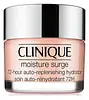
This barrier-repair moisturizer is formulated around Sodium Hyaluronate to strengthen the skin barrier and hydrate skin.


What's inside
What's inside
 Key Ingredients
Benefits
Concerns
Ingredients Side-by-side
Rosa Damascena Flower Water
Masking

Dimethicone
Emollient

Propanediol
Solvent

Butylene Glycol
Humectant
Glycerin
Humectant
Trehalose
Humectant
Trisiloxane
Skin Conditioning
Ammonium Acryloyldimethyltaurate/Vp Copolymer
1,2-Hexanediol
Skin Conditioning
Glyceryl Polymethacrylate
Water
Skin ConditioningHydrogenated Lecithin
Emulsifying
Carbomer
Emulsion StabilisingCetearyl Alcohol
Emollient






Tromethamine
BufferingParfum
Masking


Glyceryl Caprylate
EmollientGlyceryl Stearate
Emollient
Stearic Acid
Cleansing
Disodium EDTA
ChelatingEthylhexylglycerin
Skin ConditioningPolyglyceryl-3 Methylglucose Distearate
Emulsifying
Sodium Hyaluronate
Humectant
Sucrose
Humectant
CI 77491
Cosmetic ColorantSilica
Abrasive


Rosa Canina Fruit Extract
Astringent
Tocopherol
Antioxidant


Indole Acetic Acid
Skin ConditioningRosa Damascena Flower Water, Dimethicone, Propanediol, Butylene Glycol, Glycerin, Trehalose, Trisiloxane, Ammonium Acryloyldimethyltaurate/Vp Copolymer, 1,2-Hexanediol, Glyceryl Polymethacrylate, Water, Hydrogenated Lecithin, Carbomer, Cetearyl Alcohol, Tromethamine, Parfum, Glyceryl Caprylate, Glyceryl Stearate, Stearic Acid, Disodium EDTA, Ethylhexylglycerin, Polyglyceryl-3 Methylglucose Distearate, Sodium Hyaluronate, Sucrose, CI 77491, Silica, Rosa Canina Fruit Extract, Tocopherol, Indole Acetic Acid
Water
Skin ConditioningDimethicone
Emollient
Butylene Glycol
Humectant
Glycerin
Humectant
Trisiloxane
Skin Conditioning
Trehalose
Humectant
Sucrose
Humectant
Ammonium Acryloyldimethyltaurate/Vp Copolymer
Hydroxyethyl Urea
Humectant
Camellia Sinensis Leaf Extract
Antimicrobial
Silybum Marianum Extract
Skin Conditioning
Betula Alba Bark Extract
Masking
Saccharomyces Lysate Extract
Humectant
Aloe Barbadensis Leaf Water
MaskingThermus Thermophillus Ferment
Skin ConditioningCaffeine
Skin Conditioning
Sorbitol
Humectant
Palmitoyl Hexapeptide-12
Skin Conditioning
Sodium Hyaluronate
Humectant
Caprylyl Glycol
Emollient
Oleth-10
EmulsifyingSodium Polyaspartate
HumectantSaccharide Isomerate
Humectant
Hydrogenated Lecithin
Emulsifying
Tocopheryl Acetate
Antioxidant
Acrylates/C10-30 Alkyl Acrylate Crosspolymer
Emulsion StabilisingGlyceryl Polymethacrylate
Tromethamine
BufferingPEG-8
HumectantHexylene Glycol
EmulsifyingMagnesium Ascorbyl Phosphate
Antioxidant

Disodium EDTA
ChelatingBHT
Antioxidant
Phenoxyethanol
Preservative
CI 14700
Cosmetic ColorantCI 19140
Cosmetic ColorantWater, Dimethicone, Butylene Glycol, Glycerin, Trisiloxane, Trehalose, Sucrose, Ammonium Acryloyldimethyltaurate/Vp Copolymer, Hydroxyethyl Urea, Camellia Sinensis Leaf Extract, Silybum Marianum Extract, Betula Alba Bark Extract, Saccharomyces Lysate Extract, Aloe Barbadensis Leaf Water, Thermus Thermophillus Ferment, Caffeine, Sorbitol, Palmitoyl Hexapeptide-12, Sodium Hyaluronate, Caprylyl Glycol, Oleth-10, Sodium Polyaspartate, Saccharide Isomerate, Hydrogenated Lecithin, Tocopheryl Acetate, Acrylates/C10-30 Alkyl Acrylate Crosspolymer, Glyceryl Polymethacrylate, Tromethamine, PEG-8, Hexylene Glycol, Magnesium Ascorbyl Phosphate, Disodium EDTA, BHT, Phenoxyethanol, CI 14700, CI 19140
Reviews
Alternatives
Ingredients Explained
These ingredients are found in both products.
Ingredients higher up in an ingredient list are typically present in a larger amount.
Ammonium Acryloyldimethyltaurate/Vp Copolymer is a synthetically created polymer. It's used as a film-forming agent and used to thicken the consistency of products.
Think of it as a supportive ingredient that helps your gel-creams feel silky, "cloud cream-like", and spread evenly without being greasy.
The Cosmetic Ingredient Review (CIR) Expert Panel evaluated it (along with 22 other acryloyldimethyltaurate polymers) and concluded it's:
Due to its large molecular size, it sits on the surface of skin rather than penetrating it.
Learn more about Ammonium Acryloyldimethyltaurate/Vp CopolymerButylene Glycol (or BG) is used within cosmetic products for a few different reasons:
Overall, Butylene Glycol is a safe and well-rounded ingredient that works well with other ingredients.
Though this ingredient works well with most skin types, some people with sensitive skin may experience a reaction such as allergic rashes, closed comedones, or itchiness.
Learn more about Butylene GlycolDimethicone is a type of synthetic silicone created from natural materials such as quartz. It is also known as polydimethylsiloxane.
What it does:
Dimethicone comes in different viscosities:
Depending on the viscosity, dimethicone has different properties.
Ingredients lists don't always show which type is used, so we recommend reaching out to the brand if you have questions about the viscosity.
This ingredient is unlikely to cause irritation because it does not get absorbed into skin. However, people with silicone allergies should be careful about using this ingredient.
Note: Dimethicone may contribute to pilling. This is because it is not oil or water soluble, so pilling may occur when layered with products. When mixed with heavy oils in a formula, the outcome is also quite greasy.
Learn more about DimethiconeDisodium EDTA is a chelating agent. It grabs onto and deactivates metal ions that sneak into your products from water, packaging, or air.
This ingredient mainly works behind the scenes and helps with:
On top of that, this ingredient can counteract the effects of hard water by binding to the minerals in it.
One thing worth knowing is that Disodium EDTA has been shown to be a mild penetration enhancer. It can help other ingredients absorb into skin more effectively which can be a double-edged sword (great for actives, but can also make the active too strong if you have sensitive skin).
Clinical patch testing showed no significant skin irritation at typical use concentrations and minimal dermal absorption.
You'll most likely see this ingredient near the end of an ingredient list. It's typically found in concentrations less than 1%.
Learn more about Disodium EDTAGlycerin (or glycerol) is a compound naturally found in your skin. It's a powerhouse humectant that pulls water into the stratum corneum.
Topically, glycerin does several things at once:
Your skin makes glycerin on its own (mostly from sebaceous oil breakdown) and shuttles it to your outermost layer of skin, or your epidermis, via aquaporin-3.
Aquaporin-3 is a transporter that is essential for normal skin hydration, elasticity, and repair. Interestingly, mice lacking in AQP3 have dry and less elastic skin that can be fully corrected with glycerin.
This ingredient is non-irritating, plays well with almost every ingredient, and works across all skin types. Typical use is anywhere between 3-10% but can go up to 79% in some leave-on products.
Just know very high concentrations (>40%) can feel tacky in low humidity.
Glycerin is the name for this ingredient in American English. British English uses Glycerol/Glycerine.
Learn more about GlycerinThis is a synthetic polymer made by combining glycerin with polymethacrylic acid.
It is a non-drying, non-greasy moisturizer that helps enhance the feel and slip of formulations, helps stabilize emulsions, creates a film, and controls viscosity.
As a film former, it creates a light and flexible layer on the skin's surface. This helps lock in moisture without feeling heavy.
It's typically used at concentrations up to 1.9% in leave-on products. CIR has concluded that these ingredients are safe in cosmetics at current use levels.
Due to its large molecule size, it doesn't readily penetrate into skin and mostly just sits on the surface. A large UK-based patch test study of over 1,300 patients found that sensitization to related acrylate copolymers is rare.
Learn more about Glyceryl PolymethacrylateHydrogenated Lecithin is a more stable version of lecithin.
It's made by taking lecithin (a phospholipid commonly found in soybeans and egg yolks) and hydrogenating it. This just means the unsaturated fatty acids are turned into saturated ones so they don't go bad as easily.
This ingredient is an emollient, emulsifier, and penetration enhancer. As an emollient, it helps soften and hydrate skin by trapping moisture within. As an emulsifier, it prevents oil and water ingredients from separating.
Hydrogenated Lecithin can form tiny spherical structures made of phospholipid bilayers called liposomes. These liposomes are able to capture compounds inside their structure and deliver them through the skin barrier.
Because phospholipids are a natural component of our cell membranes, this ingredient is inherently compatible with skin.
A 2021 study found lecithin-based surfactants were less harsh and more tolerable comared to Sodium Lauryl Sulfate (SLS).
Learn more about Hydrogenated LecithinSodium Hyaluronate is the salt form of hyaluronic acid. It is a long sugar chain that is naturally found in your skin, joints, and connective tissue that maintains hydration and elasticity.
In skincare, it works as a humectant. It pulls water from the environment and deeper layers of skin and binds it to the surface.
Interestingly, the size of the molecule affects its behavior:
Some clinical evidence links low molecular weight versions to improved wrinkle depth, elasticity, anti-inflammatory effects, and barrier repair.
Many serums use a blend of both weights so you can get surface hydration plus longer-lasting and deeper effects.
You'll typically see concentrations between 0.1-2% for this ingredient.
Learn more about Sodium HyaluronateSucrose is a natural sugar found in fruits, vegetables, and nuts. It is the main constituent of white sugar.
In skincare, sucrose is a humectant and can be a mild exfoliant.
Sucrose is hydrophilic, meaning it attracts water. This makes it an effective humectant and helps hydrate the skin.
Studies show sugars may worsen acne-prone skin due to it disrupting the skin's natural biome. We recommend speaking with a professional if you have any concerns.
In some products such as body scrubs, sucrose is used as an gentle exfoliant.
The term 'sucrose' comes from the french word for sugar, 'sucre'.
Learn more about SucroseTrehalose is a disaccharide made of two glucose molecules (glucose is sugar!). Trehalose is used to help moisturize skin. It also has antioxidant properties.
As a humectant, trehalose helps draw moisture from the air to your skin. This helps keep your skin hydrated.
Due to its antioxidant properties, trehalose may help with signs of aging. Antioxidants help fight free-radical molecules, unstable molecules that may damage your skin.
In medicine, trehalose and hyaluronic acid are used to help treat dry eyes.
Some animals, plants, and bacteria create trehalose as a source of energy to survive freeze or lack of water.
Learn more about TrehaloseTrisiloxane is a type of silicone.
Tromethamine (aka THAM) is a synthetic amino acid that shows up in skincare as a helper ingredient.
It functions as a pH adjuster to help neutralize acidic ingredients and set a formula's pH to the right spot.
This matters a lot because a lot of actives (like vitamin C) needs a specific pH to work well and feel comfortable on skin.
Concentration use ranges from 0.1-1.0% depending on the formula.
Learn more about TromethamineWater. It's the most common cosmetic ingredient of all. You'll usually see it at the top of ingredient lists, meaning that it makes up the largest part of the product.
So why is it so popular? Water most often acts as a solvent - this means that it helps dissolve other ingredients into the formulation.
You'll also recognize water as that liquid we all need to stay alive. If you see this, drink a glass of water. Remember to stay hydrated!
Learn more about Water


