This calming toner pad uses a pre-saturated pad with Panthenol and Centella Asiatica Root Extract to calm redness and strengthen the skin barrier.

What's inside
What's inside
 Key Ingredients
Benefits
Concerns
Ingredients Side-by-side
Water
Skin ConditioningGlycerin
Humectant


Stearic Acid
Cleansing


Myristic Acid
Cleansing

Lauric Acid
Cleansing
Potassium Hydroxide
BufferingPalmitic Acid
Emollient
Potassium Cocoyl Glycinate
Surfactant
Coco-Glucoside
Cleansing
Glyceryl Stearate
Emollient
Parfum
Masking


Polyquaternium-7
Acrylates/C10-30 Alkyl Acrylate Crosspolymer
Emulsion StabilisingSodium Cocoyl Isethionate
Cleansing
Arachidic Acid
Cleansing
Disodium EDTA
Chelating1,2-Hexanediol
Skin Conditioning
Oleic Acid
Emollient
Sodium Benzoate
Masking
Quillaja Saponaria Bark Extract
CleansingCitric Acid
Buffering

Butylene Glycol
Humectant
Panthenol
Skin Conditioning

Hyaluronic Acid
Humectant

Ethylhexylglycerin
Skin ConditioningHydrolyzed Hyaluronic Acid
Humectant
Sodium Hyaluronate
Humectant
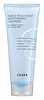
Water, Glycerin, Stearic Acid, Myristic Acid, Lauric Acid, Potassium Hydroxide, Palmitic Acid, Potassium Cocoyl Glycinate, Coco-Glucoside, Glyceryl Stearate, Parfum, Polyquaternium-7, Acrylates/C10-30 Alkyl Acrylate Crosspolymer, Sodium Cocoyl Isethionate, Arachidic Acid, Disodium EDTA, 1,2-Hexanediol, Oleic Acid, Sodium Benzoate, Quillaja Saponaria Bark Extract, Citric Acid, Butylene Glycol, Panthenol, Hyaluronic Acid, Ethylhexylglycerin, Hydrolyzed Hyaluronic Acid, Sodium Hyaluronate
Water
Skin ConditioningIsopropyl Myristate
Emollient
Methylpropanediol
SolventPolyglyceryl-6 Caprylate
EmulsifyingPanthenol
Skin Conditioning
Betaine
Humectant
Allantoin
Skin Conditioning
Centella Asiatica Root Extract
Skin Conditioning
Pinus Pinaster Bark Extract
Antioxidant
Ethylhexylglycerin
Skin ConditioningCetylpyridinium Chloride
AntimicrobialCaprylyl Glycol
Emollient
Cocamidopropyl Pg-Dimonium Chloride Phosphate
Citric Acid
Buffering
Sodium Citrate
BufferingRosmarinus Officinalis Leaf Oil
Masking
Centella Asiatica Leaf Extract
Skin Conditioning
Hydrogenated Phosphatidylcholine
Emulsifying
Caprylic/Capric Triglyceride
Masking
Sucrose Stearate
EmollientAsiaticoside
Antioxidant
Madecassic Acid
Skin Conditioning
Asiatic Acid
Skin Conditioning
Centella Asiatica Extract
Cleansing
Cholesterol
Emollient
Madecassoside
Antioxidant
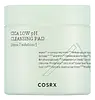
Water, Isopropyl Myristate, Methylpropanediol, Polyglyceryl-6 Caprylate, Panthenol, Betaine, Allantoin, Centella Asiatica Root Extract, Pinus Pinaster Bark Extract, Ethylhexylglycerin, Cetylpyridinium Chloride, Caprylyl Glycol, Cocamidopropyl Pg-Dimonium Chloride Phosphate, Citric Acid, Sodium Citrate, Rosmarinus Officinalis Leaf Oil, Centella Asiatica Leaf Extract, Hydrogenated Phosphatidylcholine, Caprylic/Capric Triglyceride, Sucrose Stearate, Asiaticoside, Madecassic Acid, Asiatic Acid, Centella Asiatica Extract, Cholesterol, Madecassoside
Reviews
Ingredients Explained
These ingredients are found in both products.
Ingredients higher up in an ingredient list are typically present in a larger amount.
Citric Acid is an alpha hydroxy acid (AHA) naturally found in citrus fruits like oranges, lemons, and limes.
Like other AHAs, citric acid can exfoliate skin by breaking down the bonds that hold dead skin cells together. This helps reveal smoother and brighter skin underneath.
However, this exfoliating effect only happens at high concentrations (20%) which can be hard to find in cosmetic products.
Due to this, citric acid is usually included in small amounts as a pH adjuster. This helps keep products slightly more acidic and compatible with skin's natural pH.
In skincare formulas, citric acid can:
While it can provide some skin benefits, research shows lactic acid and glycolic acid are generally more effective and less irritating exfoliants.
Most citric acid used in skincare today is made by fermenting sugars (usually from molasses). This synthetic version is identical to the natural citrus form but easier to stabilize and use in formulations.
Rosacea skin has a lower threshold for acids generally, with 62.5% of rosacea subjects in one study reacting to lactic acid in a sting test. This is why we mark citric acid as a potential rosacea trigger.
However, this ingredient shows up as a pH adjuster or chelator at roughly 0.1-1% in many products. These low levels are unlikely to be an issue for rosacea skin and becomes a potential trigger at exfoliating concentrations (20%). Because everybody's skin is unique, we recommend a patch test if you are unsure.
Learn more about Citric AcidEthylhexylglycerin is created from glycerin. It is a multitasker ingredient that:
The CIR Expert Panel found minimal skin absorption or sensitization of any kind in a safety assessment. Though this ingredient is considered well-tolerated, a small number of cases of allergic dermatitis have been published since 2002. Just be sure to patch test if you are unsure.
Industry-reported use ranges from 8% in rinse-off products and 2% in leave-on formulations.
Learn more about EthylhexylglycerinPanthenol is a common ingredient that helps hydrate and soothe the skin. It is found naturally in our skin and hair.
There are two forms of panthenol: D and L.
D-panthenol is also known as dexpanthenol. Most cosmetics use dexpanthenol or a mixture of D and L-panthenol.
Panthenol is famous due to its ability to go deeper into the skin's layers. Using this ingredient has numerous pros (and no cons):
Like hyaluronic acid, panthenol is a humectant. Humectants are able to bind and hold large amounts of water to keep skin hydrated.
This ingredient works well for wound healing. It works by increasing tissue in the wound and helps close open wounds.
Once oxidized, panthenol converts to pantothenic acid. Panthothenic acid is found in all living cells.
This ingredient is also referred to as pro-vitamin B5.
Learn more about PanthenolWater. It's the most common cosmetic ingredient of all. You'll usually see it at the top of ingredient lists, meaning that it makes up the largest part of the product.
So why is it so popular? Water most often acts as a solvent - this means that it helps dissolve other ingredients into the formulation.
You'll also recognize water as that liquid we all need to stay alive. If you see this, drink a glass of water. Remember to stay hydrated!
Learn more about Water

