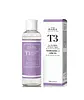
This brightening toner is formulated around Tranexamic Acid and Panthenol to fade the look of dark spots and calm redness.


What's inside
What's inside
 Key Ingredients
Benefits
Concerns
No concerns
Ingredients Side-by-side
Water
Skin ConditioningPropanediol
Solvent

Tranexamic Acid
Astringent




Butylene Glycol
Humectant
1,2-Hexanediol
Skin Conditioning
Betaine
Humectant
Panthenol
Skin Conditioning
Dipotassium Glycyrrhizate
Humectant
Sodium Hyaluronate
Humectant

Hydrolyzed Hyaluronic Acid
Humectant
Allantoin
Skin Conditioning
Ascorbyl Glucoside
Antioxidant

Madecassoside
Antioxidant
Glutathione
Gluconolactone
Skin Conditioning



Dipropylene Glycol
HumectantAcrylates/C10-30 Alkyl Acrylate Crosspolymer
Emulsion StabilisingTromethamine
BufferingCaprylyl Glycol
Emollient
Tropolone
Skin ConditioningCamellia Sinensis Leaf Extract
Antimicrobial
Sambucus Nigra Flower Extract
RefreshingMomordica Charantia Fruit Extract
Skin ConditioningLeontopodium Alpinum Extract
Skin ConditioningWater, Propanediol, Tranexamic Acid, Butylene Glycol, 1,2-Hexanediol, Betaine, Panthenol, Dipotassium Glycyrrhizate, Sodium Hyaluronate, Hydrolyzed Hyaluronic Acid, Allantoin, Ascorbyl Glucoside, Madecassoside, Glutathione, Gluconolactone, Dipropylene Glycol, Acrylates/C10-30 Alkyl Acrylate Crosspolymer, Tromethamine, Caprylyl Glycol, Tropolone, Camellia Sinensis Leaf Extract, Sambucus Nigra Flower Extract, Momordica Charantia Fruit Extract, Leontopodium Alpinum Extract
Water
Skin ConditioningHydroxyethyl Urea
Humectant
Glycerin
Humectant
Dimethicone
Emollient
Jojoba Esters
Emollient

Petrolatum
Emollient


Selaginella Lepidophylla Extract
EmollientAloe Barbadensis Leaf Juice
Skin Conditioning
Stearyl Alcohol
Emollient
Behentrimonium Methosulfate
SurfactantGlyceryl Stearate
Emollient
Steareth-21
CleansingCetyl Alcohol
Emollient
Butylene Glycol
Humectant
Stearamidopropyl Pg-Dimonium Chloride Phosphate
Propylene Glycol
Humectant
Cetearyl Alcohol
Emollient
Polysorbate 60
Emulsifying
Citrullus Lanatus Fruit Extract
Skin Conditioning
Pyrus Malus Fruit Extract
Skin Conditioning
Lens Esculenta Fruit Extract
Skin ConditioningSodium Lactate
Buffering
Sodium PCA
Humectant
Distearyldimonium Chloride
Methyl Gluceth-20
Humectant
Ethylhexylglycerin
Skin ConditioningMethylparaben
Preservative


Tocopheryl Acetate
Antioxidant
Bisabolol
Antioxidant
Zingiber Officinale Root Extract
Masking
Panthenol
Skin Conditioning
Hydrolyzed Jojoba Esters
Skin Conditioning
EDTA
Ubiquinone
Antioxidant
C12-15 Alkyl Benzoate
AntimicrobialJojoba Oil/Macadamia Seed Oil Esters
Skin Conditioning
Squalene
Emollient
Phytosteryl Macadamiate
Skin Conditioning
Phytosterols
Skin Conditioning
Tocopherol
Antioxidant
Potassium Hydroxide
BufferingMagnesium Ascorbyl Phosphate
Antioxidant
Whey Protein
Skin ConditioningWater, Hydroxyethyl Urea, Glycerin, Dimethicone, Jojoba Esters, Petrolatum, Selaginella Lepidophylla Extract, Aloe Barbadensis Leaf Juice, Stearyl Alcohol, Behentrimonium Methosulfate, Glyceryl Stearate, Steareth-21, Cetyl Alcohol, Butylene Glycol, Stearamidopropyl Pg-Dimonium Chloride Phosphate, Propylene Glycol, Cetearyl Alcohol, Polysorbate 60, Citrullus Lanatus Fruit Extract, Pyrus Malus Fruit Extract, Lens Esculenta Fruit Extract, Sodium Lactate, Sodium PCA, Distearyldimonium Chloride, Methyl Gluceth-20, Ethylhexylglycerin, Methylparaben, Tocopheryl Acetate, Bisabolol, Zingiber Officinale Root Extract, Panthenol, Hydrolyzed Jojoba Esters, EDTA, Ubiquinone, C12-15 Alkyl Benzoate, Jojoba Oil/Macadamia Seed Oil Esters, Squalene, Phytosteryl Macadamiate, Phytosterols, Tocopherol, Potassium Hydroxide, Magnesium Ascorbyl Phosphate, Whey Protein
Reviews
Ingredients Explained
These ingredients are found in both products.
Ingredients higher up in an ingredient list are typically present in a larger amount.
Butylene Glycol (or BG) is used within cosmetic products for a few different reasons:
Overall, Butylene Glycol is a safe and well-rounded ingredient that works well with other ingredients.
Though this ingredient works well with most skin types, some people with sensitive skin may experience a reaction such as allergic rashes, closed comedones, or itchiness.
Learn more about Butylene GlycolPanthenol is a common ingredient that helps hydrate and soothe the skin. It is found naturally in our skin and hair.
There are two forms of panthenol: D and L.
D-panthenol is also known as dexpanthenol. Most cosmetics use dexpanthenol or a mixture of D and L-panthenol.
Panthenol is famous due to its ability to go deeper into the skin's layers. Using this ingredient has numerous pros (and no cons):
Like hyaluronic acid, panthenol is a humectant. Humectants are able to bind and hold large amounts of water to keep skin hydrated.
This ingredient works well for wound healing. It works by increasing tissue in the wound and helps close open wounds.
Once oxidized, panthenol converts to pantothenic acid. Panthothenic acid is found in all living cells.
This ingredient is also referred to as pro-vitamin B5.
Learn more about PanthenolWater. It's the most common cosmetic ingredient of all. You'll usually see it at the top of ingredient lists, meaning that it makes up the largest part of the product.
So why is it so popular? Water most often acts as a solvent - this means that it helps dissolve other ingredients into the formulation.
You'll also recognize water as that liquid we all need to stay alive. If you see this, drink a glass of water. Remember to stay hydrated!
Learn more about Water

