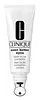
This brightening eye moisturizer is formulated around Camellia Sinensis Leaf Extract and Caffeine to fade the look of dark spots and brighten dull-looking skin.
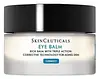
This barrier-repair eye moisturizer is formulated around Aloe Barbadensis Leaf Extract and Tocopherol to strengthen the skin barrier and hydrate skin.

What's inside
What's inside
 Key Ingredients
Benefits
Concerns
Ingredients Side-by-side
Dimethicone
Emollient

Water
Skin ConditioningIsostearyl Palmitate
Emollient

Polyethylene
Abrasive

Polysilicone-11

Butylene Glycol
Humectant

Ethylene/Acrylic Acid Copolymer
Emulsion StabilisingIsononyl Isononanoate
EmollientPolymethylsilsesquioxane
Cetyl PEG/PPG-10/1 Dimethicone
Emulsifying
Polymethyl Methacrylate
Camellia Sinensis Leaf Extract
Antimicrobial





Sigesbeckia Orientalis Extract
Skin ConditioningOlea Europaea Fruit Extract
BleachingWhey Protein
Skin ConditioningTriticum Vulgare Bran Extract
Skin ConditioningCholesterol
Emollient
Linoleic Acid
Cleansing
Glycerin
Humectant
Sucrose
Humectant
Pyridoxine Dipalmitate
Skin ConditioningPetrolatum
Emollient


Glyceryl Polymethacrylate
Dimethicone Crosspolymer-3
Skin Conditioning
Caffeine
Skin Conditioning
Tocopheryl Acetate
Antioxidant
Glyceryl Laurate
Emollient
Quaternium-90 Bentonite
PEG-8
HumectantPhytosphingosine
Skin Conditioning
PEG/PPG-18/18 Dimethicone
Emulsifying
Palmitoyl Hexapeptide-12
Skin Conditioning
Dimethicone Silylate
Magnesium Ascorbyl Phosphate
Antioxidant

Propylene Carbonate
SolventTriethoxycaprylylsilane
Sodium Chloride
MaskingDisodium EDTA
Phenoxyethanol
Preservative
Mica
Cosmetic ColorantCI 77891
Cosmetic ColorantCI 77499
Cosmetic ColorantCI 77492
Cosmetic ColorantCI 77491
Cosmetic ColorantDimethicone, Water, Isostearyl Palmitate, Polyethylene, Polysilicone-11, Butylene Glycol, Ethylene/Acrylic Acid Copolymer, Isononyl Isononanoate, Polymethylsilsesquioxane, Cetyl PEG/PPG-10/1 Dimethicone, Polymethyl Methacrylate, Camellia Sinensis Leaf Extract, Sigesbeckia Orientalis Extract, Olea Europaea Fruit Extract, Whey Protein, Triticum Vulgare Bran Extract, Cholesterol, Linoleic Acid, Glycerin, Sucrose, Pyridoxine Dipalmitate, Petrolatum, Glyceryl Polymethacrylate, Dimethicone Crosspolymer-3, Caffeine, Tocopheryl Acetate, Glyceryl Laurate, Quaternium-90 Bentonite, PEG-8, Phytosphingosine, PEG/PPG-18/18 Dimethicone, Palmitoyl Hexapeptide-12, Dimethicone Silylate, Magnesium Ascorbyl Phosphate, Propylene Carbonate, Triethoxycaprylylsilane, Sodium Chloride, Disodium EDTA, Phenoxyethanol, Mica, CI 77891, CI 77499, CI 77492, CI 77491
Water
Skin ConditioningGlycerin
Humectant
Aloe Barbadensis Leaf Extract
Emollient
Aloe Barbadensis Leaf Juice
Skin Conditioning
Myristyl Myristate
Emollient
Cetyl Palmitate
Emollient
Tocopherol
Antioxidant
Stearic Acid
Cleansing
Hydrogenated Vegetable Oil
Emollient
Paraffin
Skin Conditioning
Palmitic Acid
Emollient
Petrolatum
Emollient
Dimethicone
Emollient
Hydrogenated Lecithin
Emulsifying
Cetyl Alcohol
Emollient

Caprylic/Capric/Myristic/Stearic Triglyceride
EmollientPhenoxyethanol
Preservative
Triethanolamine
BufferingLauroyl Lysine
Skin Conditioning
Carbomer
Emulsion StabilisingGlycine Soja Protein
EmulsifyingPentylene Glycol
Skin Conditioning
Caprylyl Glycol
Emollient
Chlorphenesin
Antimicrobial
Bisabolol
Antioxidant
Myristic Acid
Cleansing
Pentaerythrityl Tetra-Di-T-Butyl Hydroxyhydrocinnamate
Antioxidant
Silybum Marianum Extract
Skin Conditioning
Disodium EDTA
Retinyl Palmitate
Skin Conditioning
Helianthus Annuus Seed Oil
Emollient
Sodium Benzoate
Masking
Potassium Sorbate
Preservative
Farnesol
Perfuming

Crithmum Maritimum Extract
Skin ConditioningWater, Glycerin, Aloe Barbadensis Leaf Extract, Aloe Barbadensis Leaf Juice, Myristyl Myristate, Cetyl Palmitate, Tocopherol, Stearic Acid, Hydrogenated Vegetable Oil, Paraffin, Palmitic Acid, Petrolatum, Dimethicone, Hydrogenated Lecithin, Cetyl Alcohol, Caprylic/Capric/Myristic/Stearic Triglyceride, Phenoxyethanol, Triethanolamine, Lauroyl Lysine, Carbomer, Glycine Soja Protein, Pentylene Glycol, Caprylyl Glycol, Chlorphenesin, Bisabolol, Myristic Acid, Pentaerythrityl Tetra-Di-T-Butyl Hydroxyhydrocinnamate, Silybum Marianum Extract, Disodium EDTA, Retinyl Palmitate, Helianthus Annuus Seed Oil, Sodium Benzoate, Potassium Sorbate, Farnesol, Crithmum Maritimum Extract
Ingredients Explained
These ingredients are found in both products.
Ingredients higher up in an ingredient list are typically present in a larger amount.
Dimethicone is a type of synthetic silicone created from natural materials such as quartz. It is also known as polydimethylsiloxane.
What it does:
Dimethicone comes in different viscosities:
Depending on the viscosity, dimethicone has different properties.
Ingredients lists don't always show which type is used, so we recommend reaching out to the brand if you have questions about the viscosity.
This ingredient is unlikely to cause irritation because it does not get absorbed into skin. However, people with silicone allergies should be careful about using this ingredient.
Note: Dimethicone may contribute to pilling. This is because it is not oil or water soluble, so pilling may occur when layered with products. When mixed with heavy oils in a formula, the outcome is also quite greasy.
Learn more about DimethiconeDisodium EDTA is a chelating agent. It grabs onto and deactivates metal ions that sneak into your products from water, packaging, or air.
This ingredient mainly works behind the scenes and helps with:
On top of that, this ingredient can counteract the effects of hard water by binding to the minerals in it.
One thing worth knowing is that Disodium EDTA has been shown to be a mild penetration enhancer. It can help other ingredients absorb into skin more effectively which can be a double-edged sword (great for actives, but can also make the active too strong if you have sensitive skin).
Clinical patch testing showed no significant skin irritation at typical use concentrations and minimal dermal absorption.
You'll most likely see this ingredient near the end of an ingredient list. It's typically found in concentrations less than 1%.
Learn more about Disodium EDTAGlycerin (or glycerol) is a compound naturally found in your skin. It's a powerhouse humectant that pulls water into the stratum corneum.
Topically, glycerin does several things at once:
Your skin makes glycerin on its own (mostly from sebaceous oil breakdown) and shuttles it to your outermost layer of skin, or your epidermis, via aquaporin-3.
Aquaporin-3 is a transporter that is essential for normal skin hydration, elasticity, and repair. Interestingly, mice lacking in AQP3 have dry and less elastic skin that can be fully corrected with glycerin.
This ingredient is non-irritating, plays well with almost every ingredient, and works across all skin types. Typical use is anywhere between 3-10% but can go up to 79% in some leave-on products.
Just know very high concentrations (>40%) can feel tacky in low humidity.
Glycerin is the name for this ingredient in American English. British English uses Glycerol/Glycerine.
Learn more about GlycerinPetrolatum is more commonly known as petroleum jelly. It is created by mixing waxes and mineral oils.
This ingredient is effective at reducing water loss by 99%. This is because it is an occlusive. Occlusives create a hydrophobic barrier on the skin to prevent evaporation. This property makes it great for hydrating dry skin.
Pro tip: Use occlusives, such as this ingredient, on damp skin for the best results.
The quality or origin of petrolatum is only known when disclosed by the brand. Most cosmetic petrolatum has gone through several purification stages.
Another benefit of occlusives is it protects your skin against infection or allergies.
Petrolatum is fungal acne safe. It is a hydrocarbon with no fatty acid structure, so Malassezia cannot metabolize it. In-vitro studies support negligible growth stimulation as well.
It's also worth noting that petrolatum has a comedogenic rating of 0. In updated rabbit ear testing (and in human testing), petrolatum was found to be not comedogenic. This means it didn’t promote comedone formation in standard models.
Learn more about PetrolatumPhenoxyethanol is one of the most widely used preservatives in skincare (and for good reason!).
It has a large spectrum of antimicrobial activity and especially effective bacteria, yeast, and mold while only having a weak effect on your skin's natural microbiome.
On a cellular level, it disrupts the cell membranes of microbes by poking holes that make the cell leak. This shuts down the chemical reactions the microbe needs to make energy so it can no longer survive.
Another perk of this ingredient is that it stays functional across a wide pH range (3-10).
You'll often see it paired with boosters like Ethylhexylglycerin; one study showed that a 1:9 ratio of Ethylhexylglycerin to Phenoxyethanol damages bacterial membranes as effectively as doubling the Phenoxyethanol concentration on its own.
Typical use concentrations range from 0.3-1% depending on the formula, and this ingredient is capped at 1% int the EU.
Safety-wise, the fear mongering does not hold up to the evidence. The EU's Scientific Committee on Consumer Safety and FDA consider it safe as a preservative at up to 1%, including for children of all ages.
Adverse systemic effects only showed up in animal studies at exposures roughly 200x higher than what people get from cosmetics. And despite its very widespread use, this ingredient is a rare sensitizer and allergic reactions are uncommon.
Learn more about PhenoxyethanolWater. It's the most common cosmetic ingredient of all. You'll usually see it at the top of ingredient lists, meaning that it makes up the largest part of the product.
So why is it so popular? Water most often acts as a solvent - this means that it helps dissolve other ingredients into the formulation.
You'll also recognize water as that liquid we all need to stay alive. If you see this, drink a glass of water. Remember to stay hydrated!
Learn more about Water

