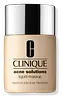
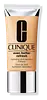
Clinique Acne Solutions Liquid Makeup Foundation Versus Clinique Even Better Refresh Hydrating and Repairing Makeup

What's inside
What's inside
 Key Ingredients
Benefits
Concerns
Ingredients Side-by-side
Water
Skin ConditioningMethyl Trimethicone
Skin Conditioning
Nylon-12


Butylene Glycol
Humectant

Alcohol Denat.
Antimicrobial




PEG-10 Dimethicone
Skin Conditioning
Dimethicone
Emollient
Silica
Abrasive

Trimethylsiloxysilicate
Emollient
Hamamelis Virginiana Water
Astringent
Trehalose
Humectant
Calcium Stearate
Cosmetic ColorantSalicylic Acid
Masking




Zinc PCA
Humectant

Algae Extract
EmollientLactobacillus Ferment
Skin Conditioning
Laminaria Saccharina Extract
Skin ProtectingGlycyrrhetinic Acid
Skin Conditioning
Glycerin
Humectant
Caffeine
Skin Conditioning
Dimethicone/Vinyl Dimethicone Crosspolymer
Skin Conditioning
Methicone
Emollient
Lauryl PEG-9 Polydimethylsiloxyethyl Dimethicone
Skin Conditioning
Isohexadecane
Emollient10-Hydroxydecanoic Acid
Skin ConditioningDimethicone/PEG-10/15 Crosspolymer
Sodium Chloride
MaskingDipropylene Glycol
HumectantTromethamine
BufferingLecithin
Emollient
Sorbitan Sesquioleate
Emulsifying

Propylene Carbonate
SolventDisteardimonium Hectorite
StabilisingTocopherol
Antioxidant


Sodium Citrate
BufferingDisodium EDTA
Phenoxyethanol
Preservative
Benzoic Acid
Masking
Potassium Sorbate
Preservative
Mica
Cosmetic ColorantCI 77891
Cosmetic ColorantCI 77491
Cosmetic ColorantCI 77492
Cosmetic ColorantCI 77499
Cosmetic ColorantWater, Methyl Trimethicone, Nylon-12, Butylene Glycol, Alcohol Denat., PEG-10 Dimethicone, Dimethicone, Silica, Trimethylsiloxysilicate, Hamamelis Virginiana Water, Trehalose, Calcium Stearate, Salicylic Acid, Zinc PCA, Algae Extract, Lactobacillus Ferment, Laminaria Saccharina Extract, Glycyrrhetinic Acid, Glycerin, Caffeine, Dimethicone/Vinyl Dimethicone Crosspolymer, Methicone, Lauryl PEG-9 Polydimethylsiloxyethyl Dimethicone, Isohexadecane, 10-Hydroxydecanoic Acid, Dimethicone/PEG-10/15 Crosspolymer, Sodium Chloride, Dipropylene Glycol, Tromethamine, Lecithin, Sorbitan Sesquioleate, Propylene Carbonate, Disteardimonium Hectorite, Tocopherol, Sodium Citrate, Disodium EDTA, Phenoxyethanol, Benzoic Acid, Potassium Sorbate, Mica, CI 77891, CI 77491, CI 77492, CI 77499
Water
Skin ConditioningDimethicone
Emollient
Methyl Trimethicone
Skin Conditioning
Trimethylsiloxysilicate/Dimethiconol Crosspolymer
Butylene Glycol
Humectant
Phenyl Trimethicone
Skin Conditioning
Neopentyl Glycol Diheptanoate
EmollientNiacinamide
Smoothing
Hydroxyethyl Urea
Humectant
PPG-12/Smdi Copolymer
EmollientLauryl PEG-9 Polydimethylsiloxyethyl Dimethicone
Skin Conditioning
Glycerin
Humectant
Sodium Polyaspartate
HumectantPEG-10 Dimethicone
Skin Conditioning
Sigesbeckia Orientalis Extract
Skin ConditioningPolygonum Cuspidatum Root Extract
Antioxidant
Acetyl Hexapeptide-8
Humectant
Sorbitol
Humectant
Isopropyl Isostearate
Emollient
PPG-15 Stearyl Ether
EmollientMicrococcus Lysate
Skin ConditioningResveratrol
Antioxidant
Palmitoyl Hexapeptide-12
Skin Conditioning
Salicylic Acid
Masking
Caffeine
Skin Conditioning
Polysilicone-11
Sodium Chloride
MaskingTocopheryl Acetate
Antioxidant
Polymethyl Methacrylate
Disteardimonium Hectorite
StabilisingDimethicone/PEG-10/15 Crosspolymer
Lecithin
Emollient
Triethoxycaprylylsilane
Caprylyl Glycol
Emollient
Zinc Stearate
Cosmetic ColorantGlyceryl Polymethacrylate
Laureth-7
EmulsifyingTrehalose
Humectant
Triethyl Citrate
Masking
Sodium Hyaluronate
Humectant
Dimethicone Silylate
PEG-8
HumectantMagnesium Aluminum Silicate
Absorbent
Methicone
Emollient
Alumina
Abrasive
Silica
Abrasive
Propylene Glycol Caprylate
Skin ConditioningHexylene Glycol
EmulsifyingXanthan Gum
EmulsifyingDisodium EDTA
BHT
Antioxidant
Potassium Sorbate
Preservative
Phenoxyethanol
Preservative
Mica
Cosmetic ColorantCI 77491
Cosmetic ColorantCI 77492
Cosmetic ColorantCI 77499
Cosmetic ColorantCI 77891
Cosmetic ColorantWater, Dimethicone, Methyl Trimethicone, Trimethylsiloxysilicate/Dimethiconol Crosspolymer, Butylene Glycol, Phenyl Trimethicone, Neopentyl Glycol Diheptanoate, Niacinamide, Hydroxyethyl Urea, PPG-12/Smdi Copolymer, Lauryl PEG-9 Polydimethylsiloxyethyl Dimethicone, Glycerin, Sodium Polyaspartate, PEG-10 Dimethicone, Sigesbeckia Orientalis Extract, Polygonum Cuspidatum Root Extract, Acetyl Hexapeptide-8, Sorbitol, Isopropyl Isostearate, PPG-15 Stearyl Ether, Micrococcus Lysate, Resveratrol, Palmitoyl Hexapeptide-12, Salicylic Acid, Caffeine, Polysilicone-11, Sodium Chloride, Tocopheryl Acetate, Polymethyl Methacrylate, Disteardimonium Hectorite, Dimethicone/PEG-10/15 Crosspolymer, Lecithin, Triethoxycaprylylsilane, Caprylyl Glycol, Zinc Stearate, Glyceryl Polymethacrylate, Laureth-7, Trehalose, Triethyl Citrate, Sodium Hyaluronate, Dimethicone Silylate, PEG-8, Magnesium Aluminum Silicate, Methicone, Alumina, Silica, Propylene Glycol Caprylate, Hexylene Glycol, Xanthan Gum, Disodium EDTA, BHT, Potassium Sorbate, Phenoxyethanol, Mica, CI 77491, CI 77492, CI 77499, CI 77891
Ingredients Explained
These ingredients are found in both products.
Ingredients higher up in an ingredient list are typically present in a larger amount.
Butylene Glycol (or BG) is used within cosmetic products for a few different reasons:
Overall, Butylene Glycol is a safe and well-rounded ingredient that works well with other ingredients.
Though this ingredient works well with most skin types, some people with sensitive skin may experience a reaction such as allergic rashes, closed comedones, or itchiness.
Learn more about Butylene GlycolCaffeine is a naturally occurring plant compound found in coffee beans, tea leaves, cocoa pods, and guarana.
As an antioxidant, caffeine protects your skin from free radical damage caused by UV exposure and envionrmnetal stressors.
Early research also shows that caffeine can help calm redness, soothe irritated skin, and support hair growth by stimulating microcirculation in the scalp.
You might have seen eye creams marketing caffeine as a depuffing ingredient. This is because it is a vasoconstrictor meaning it can temporarily constrict blood vessels, though clinical evidence for this specific use is still limited.
Most skincare products contain this ingredient at concentrations between 1-6%. It is able to penetrate skin easily regardless of skin type or thickness.
Just so you know, a very small number of case reports describe caffeine-induced allergy. This ingredient is generally well-tolerated, non-irritating, and non-sensitizing for the majority of people.
Learn more about CaffeineCi 77491 is also hydrated iron III oxide. It's sole purpose is to give a red/pink hue to products.
Iron III oxides are classified as inorganic chemicals for coloring.
Synthetically created Ci 77491 is considered safer than those naturally found. This is because the synthetically created version may contain less impurities. Iron oxides are generally non-toxic and non-allergenic.
Learn more about CI 77491CI 77492 is also hydrated iron III oxide. It's sole purpose is to give a yellow hue to products.
Iron III oxides are classified as inorganic chemicals for coloring.
Synthetically created CI 77492 is considered safer than those naturally found. This is because the synthetically created version may contain less impurities. Iron oxides are generally non-toxic and non-allergenic.
Learn more about CI 77492Ci 77499 is also hydrated iron III oxide. It is created from mixing red and black iron oxides. This helps give shades of darkness to a product.
Iron III oxides are classified as inorganic chemicals for coloring.
Ci 77891 is a white pigment from Titanium dioxide. It is naturally found in minerals such as rutile and ilmenite.
It's main function is to add a white color to cosmetics. It can also be mixed with other colors to create different shades.
Ci 77891 is commonly found in sunscreens due to its ability to block UV rays.
Learn more about CI 77891Dimethicone is a type of synthetic silicone created from natural materials such as quartz. It is also known as polydimethylsiloxane.
What it does:
Dimethicone comes in different viscosities:
Depending on the viscosity, dimethicone has different properties.
Ingredients lists don't always show which type is used, so we recommend reaching out to the brand if you have questions about the viscosity.
This ingredient is unlikely to cause irritation because it does not get absorbed into skin. However, people with silicone allergies should be careful about using this ingredient.
Note: Dimethicone may contribute to pilling. This is because it is not oil or water soluble, so pilling may occur when layered with products. When mixed with heavy oils in a formula, the outcome is also quite greasy.
Learn more about DimethiconeThis is a silicone-based ingredient that helps create a smooth, silky, "bouncy" texture. It also acts as an emulsifier that prevents ingredients from separating in a formula.
Due to its large molecule size and water-insolubility, this ingredient is unlikely to be absorbed into skin. Irritation and sensitization tests have found reactions to silicones are considered very rare.
You'll likely see this ingredient in leave-on products at concentrations of 0.03%-3%.
Learn more about Dimethicone/PEG-10/15 CrosspolymerDisodium EDTA is a chelating agent. It grabs onto and deactivates metal ions that sneak into your products from water, packaging, or air.
This ingredient mainly works behind the scenes and helps with:
On top of that, this ingredient can counteract the effects of hard water by binding to the minerals in it.
One thing worth knowing is that Disodium EDTA has been shown to be a mild penetration enhancer. It can help other ingredients absorb into skin more effectively which can be a double-edged sword (great for actives, but can also make the active too strong if you have sensitive skin).
Clinical patch testing showed no significant skin irritation at typical use concentrations and minimal dermal absorption.
You'll most likely see this ingredient near the end of an ingredient list. It's typically found in concentrations less than 1%.
Learn more about Disodium EDTADisteardimonium Hectorite comes from the clay mineral named hectorite. It is used to add thickness to a product.
It can also help stabilize a product by helping to disperse other ingredients.
Hectorite is a rare, white clay mineral.
Learn more about Disteardimonium HectoriteGlycerin (or glycerol) is a compound naturally found in your skin. It's a powerhouse humectant that pulls water into the stratum corneum.
Topically, glycerin does several things at once:
Your skin makes glycerin on its own (mostly from sebaceous oil breakdown) and shuttles it to your outermost layer of skin, or your epidermis, via aquaporin-3.
Aquaporin-3 is a transporter that is essential for normal skin hydration, elasticity, and repair. Interestingly, mice lacking in AQP3 have dry and less elastic skin that can be fully corrected with glycerin.
This ingredient is non-irritating, plays well with almost every ingredient, and works across all skin types. Typical use is anywhere between 3-10% but can go up to 79% in some leave-on products.
Just know very high concentrations (>40%) can feel tacky in low humidity.
Glycerin is the name for this ingredient in American English. British English uses Glycerol/Glycerine.
Learn more about GlycerinThis is a silicone-polyether copolymer with skin conditioning, emulsifying, texture enhancing, and surfactant properties. It is used to help blend water and silicone based ingredients to improve slip and spreadability.
Due to its large molecular size and hydrophilic-lipophilic structure (it loves both oil and water), this ingredient is minimally absorbed into the skin.
Lecithin is a term for a group of substances found in the cell membranes of plants, animals, and humans. They are made up of phospholipids.
Thanks to its amphiphilic structure (water-loving head and oil-loving tail), it is a true multitasker:
It plays well with most ingredients and is typically used at 0.1-1%. However, concentrations up to 50% have been reported in moisturizers.
Learn more about LecithinMethicone is a type of silicone and is a simpler form of dimethicone.
Silicones are used to enhance the texture of products and have emollient properties. Methicone is used to give products a silky texture and improves spreadability.
Methyl Trimethicone is a type of silicone. It is a solvent and emulsifier.
Solvents are used to keep ingredients together in a product. They can help dissolve ingredients to stable bases or help evenly distribute ingredients throughout the product.
Emulsifiers help stabilize a product. It does this by preventing certain ingredients from separating.
Methyl Trimethicone does not get absorbed into the skin.
Learn more about Methyl TrimethiconeMica is a naturally occurring mineral used to add shimmer and color in cosmetics. It can also help improve the texture of a product or give it an opaque, white/silver color.
Serecite is the name for very fine but ragged grains of mica.
This ingredient is often coated with metal oxides like titanium dioxide. Trace amounts of heavy metals may be found in mica, but these metals are not harmful in our personal products.
Mica has been used since prehistoric times throughout the world. Ancient Egyptian, Indian, Greek, Roman, Aztec, and Chinese civilizations have used mica.
Learn more about MicaPeg-10 Dimethicone is silicone with conditioner and emulsifier properties. It mostly acts as an emollient in skincare and and humectant in haircare.
According to the manufacturer, acidic formulations decrease the stability of this ingredient. It works best in neutral or near neutral formulations.
Phenoxyethanol is a preservative that has germicide, antimicrobial, and aromatic properties. Studies show that phenoxyethanol can prevent microbial growth. By itself, it has a scent that is similar to that of a rose.
It's often used in formulations along with Caprylyl Glycol to preserve the shelf life of products.
Potassium Sorbate is a preservative used to prevent yeast and mold in products. It is commonly found in both cosmetic and food products.
This ingredient comes from potassium salt derived from sorbic acid. Sorbic acid is a natural antibiotic and effective against fungus.
Both potassium sorbate and sorbic acid can be found in baked goods, cheeses, dried meats, dried fruit, ice cream, pickles, wine, yogurt, and more.
You'll often find this ingredient used with other preservatives.
Learn more about Potassium SorbateSalicylic Acid (also known as beta hydroxy acid or BHA) is a well-known ingredient for treating skin that struggles with acne and clogged pores. It exfoliates both the skin's surface and deep within the pores to help clear out buildup, control oil, and reduce inflammation.
Unlike AHAs (alpha hydroxy acids), salicylic acid is oil-soluble. This allows it to penetrate into pores which makes it especially effective for treating blackheads and preventing future breakouts.
Salicylic acid is also known for its soothing properties. It has a similar structure to aspirin and can calm inflamed or irritated skin, making it a good option for acne-prone skin that is also sensitive.
Concentrations of 0.5-2% are recognized by the U.S. FDA as an over-the-counter topical acne product.
It can cause irritation and/or dryness if one's skin already has a compromised moisture barrier, so it's best to focus on repairing that before introducing this ingredient into your routine.
While salicylic acid does not increase sun sensitivity, it’s still important to wear sunscreen daily to protect your skin.
If you are looking for the ingredient called BHA or Butylated Hydroxyanisole, click here.
Learn more about Salicylic AcidSilica, also known as silicon dioxide, is a naturally occurring mineral. It is used as a fine, spherical, and porous powder in cosmetics.
Though it has exfoliant properties, the function of silica varies depending on the product.
The unique structure of silica enhances the spreadability and adds smoothness, making it a great texture enhancer.
It is also used as an active carrier, emulsifier, and mattifier due to its ability to absorb excess oil.
In some products, tiny microneedles called spicules are made from silica or hydrolyzed sponge. When you rub them in, they lightly polish away dead skin layers and enhance the penetration of active ingredients.
Learn more about SilicaChances are, you eat sodium chloride every day. Sodium Chloride is also known as table salt. This ingredient has many purposes in skincare: thickener, emulsifier, and exfoliator.
You'll most likely find this ingredient in cleansers where it is used to create a gel-like texture. As an emulsifier, it also prevents ingredients from separating.
You might see people debate whether Sodium Chloride is comedogenic, but there actually haven't been any comedogenic tests done on it. Either way, the overall formulation of a product matters a lot more than any single ingredient.
You might see this ingredient used in scrubs as a primary exfoliating ingredient.
Learn more about Sodium ChlorideTrehalose is a disaccharide made of two glucose molecules (glucose is sugar!). Trehalose is used to help moisturize skin. It also has antioxidant properties.
As a humectant, trehalose helps draw moisture from the air to your skin. This helps keep your skin hydrated.
Due to its antioxidant properties, trehalose may help with signs of aging. Antioxidants help fight free-radical molecules, unstable molecules that may damage your skin.
In medicine, trehalose and hyaluronic acid are used to help treat dry eyes.
Some animals, plants, and bacteria create trehalose as a source of energy to survive freeze or lack of water.
Learn more about TrehaloseWater. It's the most common cosmetic ingredient of all. You'll usually see it at the top of ingredient lists, meaning that it makes up the largest part of the product.
So why is it so popular? Water most often acts as a solvent - this means that it helps dissolve other ingredients into the formulation.
You'll also recognize water as that liquid we all need to stay alive. If you see this, drink a glass of water. Remember to stay hydrated!
Learn more about Water
