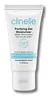
This acne moisturizer is formulated around Glycyrrhiza Glabra Root Extract and Melaleuca Alternifolia Leaf Oil to clear breakouts and calm redness.
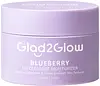
This barrier-repair moisturizer is formulated around Ceramide EOP and Centella Asiatica Leaf Extract to strengthen the skin barrier and hydrate skin.


What's inside
What's inside
 Key Ingredients
Benefits
Concerns
Ingredients Side-by-side
Water
Skin ConditioningGlycerin
Humectant


Butylene Glycol
Humectant
Betaine
Humectant
Cyclopentasiloxane
Emollient
Phenoxyethanol
Preservative
PEG-60 Hydrogenated Castor Oil
Emulsifying


Ethylhexylglycerin
Skin ConditioningCarbomer
Emulsion StabilisingArginine
Masking
Dimethiconol
Emollient
Hydroxyethylcellulose
Emulsion StabilisingTocopheryl Acetate
Antioxidant


Beta-Glucan
Skin Conditioning
Disodium EDTA
Paeonia Lactiflora Root Extract
Skin ConditioningGlycyrrhiza Glabra Root Extract
Bleaching
Polygonum Multiflorum Root Extract
Skin ConditioningPhellinus Linteus Extract
Skin ConditioningMorus Alba Bark Extract
Skin ConditioningSophora Flavescens Root Extract
Antioxidant
Cimicifuga Racemosa Root Extract
Antimicrobial
Sesamum Indicum Seed Extract
Skin Conditioning
Angelica Gigas Root Extract
Skin ConditioningScutellaria Baicalensis Root Extract
Astringent
Glyceryl Acrylate/Acrylic Acid Copolymer
Humectant1,2-Hexanediol
Skin Conditioning
Arbutin
Antioxidant
Melaleuca Alternifolia Leaf Oil
Antioxidant




Panthenol
Skin Conditioning
Salicylic Acid
Masking



Sodium Hyaluronate
Humectant

Water, Glycerin, Butylene Glycol, Betaine, Cyclopentasiloxane, Phenoxyethanol, PEG-60 Hydrogenated Castor Oil, Ethylhexylglycerin, Carbomer, Arginine, Dimethiconol, Hydroxyethylcellulose, Tocopheryl Acetate, Beta-Glucan, Disodium EDTA, Paeonia Lactiflora Root Extract, Glycyrrhiza Glabra Root Extract, Polygonum Multiflorum Root Extract, Phellinus Linteus Extract, Morus Alba Bark Extract, Sophora Flavescens Root Extract, Cimicifuga Racemosa Root Extract, Sesamum Indicum Seed Extract, Angelica Gigas Root Extract, Scutellaria Baicalensis Root Extract, Glyceryl Acrylate/Acrylic Acid Copolymer, 1,2-Hexanediol, Arbutin, Melaleuca Alternifolia Leaf Oil, Panthenol, Salicylic Acid, Sodium Hyaluronate
Water
Skin ConditioningGlycerin
Humectant
Butylene Glycol
Humectant
Hydrogenated Polyisobutene
EmollientPropylene Glycol Dicaprylate/Dicaprate
EmollientCyclopentasiloxane
Emollient
Ceramide EOP
Skin Conditioning
Ceramide AP
Skin Conditioning
Ceramide Ns
Skin Conditioning
Ceramide Ng
Skin Conditioning
Ceramide As
Skin Conditioning
Sodium Hyaluronate
Humectant
Centella Asiatica Leaf Extract
Skin Conditioning
Ammonium Acryloyldimethyltaurate/Vp Copolymer
Hydroxyacetophenone
Antioxidant
Betaine
Humectant
Cyclohexasiloxane
Emollient
Allantoin
Skin Conditioning
Tridecyl Trimellitate
EmollientHydroxyethyl Acrylate/Sodium Acryloyldimethyl Taurate Copolymer
Emulsion StabilisingSqualane
Emollient
Trehalose
Humectant
Sophora Flavescens Root Extract
Antioxidant
Opuntia Ficus-Indica Stem Extract
Skin Conditioning
Ophiopogon Japonicus Root Extract
Skin ConditioningPentylene Glycol
Skin Conditioning
Panicum Miliaceum Seed Extract
Skin ConditioningHibiscus Abelmoschus Seed Extract
Masking
Pyrus Cydonia Seed Extract
MaskingSecale Cereale Seed Extract
Abrasive
Glycine Soja Seed Extract
Skin Conditioning
Tocopherol
Antioxidant
Ceramide NP
Skin Conditioning
Castanea Sativa Seed Extract
Skin ConditioningVaccinium Angustifolium Fruit Extract
Skin Protecting
Helianthus Annuus Seed Extract
Skin Conditioning
Maltodextrin
Absorbent
Gentiana Scabra Extract
HumectantHydrogenated Lecithin
Emulsifying
Dimethiconol
Emollient
1,2-Hexanediol
Skin Conditioning
Polysorbate 60
Emulsifying
Sorbitan Isostearate
Emulsifying
Xanthan Gum
EmulsifyingDisodium EDTA
Water, Glycerin, Butylene Glycol, Hydrogenated Polyisobutene, Propylene Glycol Dicaprylate/Dicaprate, Cyclopentasiloxane, Ceramide EOP, Ceramide AP, Ceramide Ns, Ceramide Ng, Ceramide As, Sodium Hyaluronate, Centella Asiatica Leaf Extract, Ammonium Acryloyldimethyltaurate/Vp Copolymer, Hydroxyacetophenone, Betaine, Cyclohexasiloxane, Allantoin, Tridecyl Trimellitate, Hydroxyethyl Acrylate/Sodium Acryloyldimethyl Taurate Copolymer, Squalane, Trehalose, Sophora Flavescens Root Extract, Opuntia Ficus-Indica Stem Extract, Ophiopogon Japonicus Root Extract, Pentylene Glycol, Panicum Miliaceum Seed Extract, Hibiscus Abelmoschus Seed Extract, Pyrus Cydonia Seed Extract, Secale Cereale Seed Extract, Glycine Soja Seed Extract, Tocopherol, Ceramide NP, Castanea Sativa Seed Extract, Vaccinium Angustifolium Fruit Extract, Helianthus Annuus Seed Extract, Maltodextrin, Gentiana Scabra Extract, Hydrogenated Lecithin, Dimethiconol, 1,2-Hexanediol, Polysorbate 60, Sorbitan Isostearate, Xanthan Gum, Disodium EDTA
Reviews
Ingredients Explained
These ingredients are found in both products.
Ingredients higher up in an ingredient list are typically present in a larger amount.
1,2-Hexanediol is a synthetic liquid and another multi-functional powerhouse.
It is a:
- Humectant, drawing moisture into the skin
- Emollient, helping to soften skin
- Solvent, dispersing and stabilizing formulas
- Preservative booster, enhancing the antimicrobial activity of other preservatives
Betaine is a humectant. Like hyaluronic acid, it helps attract and retain moisture in the skin. It’s known for being gentle and for helping the skin maintain balanced hydration.
Betaine is mainly used to improve hydration and support calmer skin. It helps skin cells regulate water balance because it functions as an osmolyte.
Some studies suggest betaine may support making skin tone more even.
Fun fact: Betaine naturally exists in the skin and the body. In cosmetic products, it can be either plant-derived (most commonly from sugar beets) or synthetically produced for consistency and stability.
Betaine is also known as trimethylglycine.
Learn more about BetaineButylene Glycol (or BG) is used within cosmetic products for a few different reasons:
Overall, Butylene Glycol is a safe and well-rounded ingredient that works well with other ingredients.
Though this ingredient works well with most skin types, some people with sensitive skin may experience a reaction such as allergic rashes, closed comedones, or itchiness.
Learn more about Butylene GlycolCyclopentasiloxane (D5) is a lightweight silicone that mostly acts as an emollient and solvent in cosmetics. Its the reason your products feel silky, fast-spreading, and non-greasy.
Since D5 is volatile, it does its thing and then evaporates off the skin quickly.
The safety profile of this ingredient is reassuring; the US CIR Expert Panel concluded D5 is safe as used in cosmetics and Health Canada concluded that D5 is not harmful to human health or the environment as currently used in cosmetics
There's a study that people mention about D5 in a rat study showing tumors. This study is related to long-term inhalation of high D5 levels.
Regulatory bodies have judged this study to be not applicable in topical skincare since skin absorption of D5 is very low and we're not really inhaling huge amounts of D5.
The only restriction for this ingredient is environmental. The European Chemicals Agency (ECHA) restricted D5 in wash-off cosmetics at or above 0.1% due to their persistence in water.
Learn more about CyclopentasiloxaneDimethiconol is a silicone that resembles the popular dimethicone. Like other silicones, it is an emollient. Emollients create a thin film on skin to prevent moisture from escaping.
This ingredient helps to create a silky texture and improve spreadability. Due to its high molecular weight and thickness, it is often combined with cyclopentasiloxane.
Disodium EDTA is a chelating agent. It grabs onto and deactivates metal ions that sneak into your products from water, packaging, or air.
This ingredient mainly works behind the scenes and helps with:
On top of that, this ingredient can counteract the effects of hard water by binding to the minerals in it.
One thing worth knowing is that Disodium EDTA has been shown to be a mild penetration enhancer. It can help other ingredients absorb into skin more effectively which can be a double-edged sword (great for actives, but can also make the active too strong if you have sensitive skin).
Clinical patch testing showed no significant skin irritation at typical use concentrations and minimal dermal absorption.
You'll most likely see this ingredient near the end of an ingredient list. It's typically found in concentrations less than 1%.
Learn more about Disodium EDTAGlycerin (or glycerol) is a compound naturally found in your skin. It's a powerhouse humectant that pulls water into the stratum corneum.
Topically, glycerin does several things at once:
Your skin makes glycerin on its own (mostly from sebaceous oil breakdown) and shuttles it to your outermost layer of skin, or your epidermis, via aquaporin-3.
Aquaporin-3 is a transporter that is essential for normal skin hydration, elasticity, and repair. Interestingly, mice lacking in AQP3 have dry and less elastic skin that can be fully corrected with glycerin.
This ingredient is non-irritating, plays well with almost every ingredient, and works across all skin types. Typical use is anywhere between 3-10% but can go up to 79% in some leave-on products.
Just know very high concentrations (>40%) can feel tacky in low humidity.
Glycerin is the name for this ingredient in American English. British English uses Glycerol/Glycerine.
Learn more about GlycerinSodium Hyaluronate is the salt form of hyaluronic acid. It is a long sugar chain that is naturally found in your skin, joints, and connective tissue that maintains hydration and elasticity.
In skincare, it works as a humectant. It pulls water from the environment and deeper layers of skin and binds it to the surface.
Interestingly, the size of the molecule affects its behavior:
Some clinical evidence links low molecular weight versions to improved wrinkle depth, elasticity, anti-inflammatory effects, and barrier repair.
Many serums use a blend of both weights so you can get surface hydration plus longer-lasting and deeper effects.
You'll typically see concentrations between 0.1-2% for this ingredient.
Learn more about Sodium HyaluronateSophora Flavescens Root Extract is an antioxidant. It can help to reduce redness.
Water. It's the most common cosmetic ingredient of all. You'll usually see it at the top of ingredient lists, meaning that it makes up the largest part of the product.
So why is it so popular? Water most often acts as a solvent - this means that it helps dissolve other ingredients into the formulation.
You'll also recognize water as that liquid we all need to stay alive. If you see this, drink a glass of water. Remember to stay hydrated!
Learn more about Water

