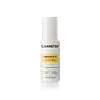
This brightening serum is formulated around 3-O-Ethyl Ascorbic Acid and Bisabolol to brighten dull-looking skin and fade the look of dark spots.
This hydrating toner is formulated around Limnanthes Alba Seed Oil and Ceramide AP to hydrate skin and strengthen the skin barrier.


What's inside
What's inside
 Key Ingredients
Benefits
Concerns
Ingredients Side-by-side
Water
Skin Conditioning3-O-Ethyl Ascorbic Acid
Skin Conditioning





Caprylic/Capric Triglyceride
Masking


Diglycerin
Humectant
Glycerin
Humectant
Diheptyl Succinate
EmollientPentylene Glycol
Skin Conditioning
Diglucosyl Gallic Acid
Phytosteryl/Octyldodecyl Lauroyl Glutamate
Skin ConditioningAvena Sativa Bran Extract
Abrasive
Capryloyl Glycerin/Sebacic Acid Copolymer
Skin ConditioningHippophae Rhamnoides Seed Oil
Skin Protecting


Sodium Citrate
BufferingBisabolol
Antioxidant

Boron Nitride
Absorbent
Glyceryl Stearate
Emollient
Hydroxyacetophenone
Antioxidant
Sodium Stearoyl Glutamate
CleansingTocopheryl Acetate
Antioxidant
Polyacrylate Crosspolymer-6
Emulsion Stabilising1,2-Hexanediol
Skin Conditioning
Caprylyl Glycol
Emollient
Citric Acid
Buffering
Mica
Cosmetic ColorantCitrus Aurantium Dulcis Peel Extract
Emulsion Stabilising
Xanthan Gum
EmulsifyingInulin Lauryl Carbamate
Emulsion StabilisingCellulose
Absorbent
Cetearyl Alcohol
Emollient


Hyaluronic Acid
Humectant

Sclerotium Gum
Emulsion StabilisingLecithin
Emollient
Tetrasodium Glutamate Diacetate
ChelatingPullulan
CI 77891
Cosmetic ColorantSodium Benzoate
Masking
Rubus Idaeus Seed Oil
Emollient
Sodium Hyaluronate
Humectant
Silica
Abrasive
Cellulose Gum
Emulsion StabilisingCI 77491
Cosmetic ColorantEthyl 2-Methylbutyrate
Perfuming
Citrus Sinensis Peel Oil Expressed
Perfuming

Allyl Caproate
Astringent
Raspberry Ketone
Masking
Maltol
MaskingHeliotropine
Masking
Vanillin
Masking
Citrus Aurantium Dulcis Peel Oil
Masking
Citrus Reticulata Peel Oil
Masking
Triethyl Citrate
Masking
Limonene
Perfuming
Water, 3-O-Ethyl Ascorbic Acid, Caprylic/Capric Triglyceride, Diglycerin, Glycerin, Diheptyl Succinate, Pentylene Glycol, Diglucosyl Gallic Acid, Phytosteryl/Octyldodecyl Lauroyl Glutamate, Avena Sativa Bran Extract, Capryloyl Glycerin/Sebacic Acid Copolymer, Hippophae Rhamnoides Seed Oil, Sodium Citrate, Bisabolol, Boron Nitride, Glyceryl Stearate, Hydroxyacetophenone, Sodium Stearoyl Glutamate, Tocopheryl Acetate, Polyacrylate Crosspolymer-6, 1,2-Hexanediol, Caprylyl Glycol, Citric Acid, Mica, Citrus Aurantium Dulcis Peel Extract, Xanthan Gum, Inulin Lauryl Carbamate, Cellulose, Cetearyl Alcohol, Hyaluronic Acid, Sclerotium Gum, Lecithin, Tetrasodium Glutamate Diacetate, Pullulan, CI 77891, Sodium Benzoate, Rubus Idaeus Seed Oil, Sodium Hyaluronate, Silica, Cellulose Gum, CI 77491, Ethyl 2-Methylbutyrate, Citrus Sinensis Peel Oil Expressed, Allyl Caproate, Raspberry Ketone, Maltol, Heliotropine, Vanillin, Citrus Aurantium Dulcis Peel Oil, Citrus Reticulata Peel Oil, Triethyl Citrate, Limonene
Water
Skin ConditioningButylene Glycol
Humectant
Glycerin
Humectant
Limnanthes Alba Seed Oil
Skin Conditioning
Ceramide AP
Skin Conditioning
1,2-Hexanediol
Skin Conditioning
Squalane
Emollient
Polyglyceryl-10 Stearate
Skin Conditioning
Glyceryl Stearate Citrate
Emollient
Sodium Stearoyl Glutamate
CleansingInulin Lauryl Carbamate
Emulsion StabilisingGlyceryl Caprylate
EmollientEthylhexylglycerin
Skin ConditioningPropanediol
Solvent
Disodium EDTA
ChelatingCarbomer
Emulsion StabilisingMannitol
Humectant
Acrylates/Stearyl Methacrylate Copolymer
Emulsion StabilisingTremella Fuciformis Sporocarp Extract
Antioxidant
Hyaluronic Acid
Humectant
Camellia Sinensis Leaf Extract
Antimicrobial
Xanthan Gum
EmulsifyingCeramide NP
Skin Conditioning
Camellia Japonica Flower Extract
EmollientTocopherol
Antioxidant
Acetyl Tetrapeptide-11
Skin Conditioning
Water, Butylene Glycol, Glycerin, Limnanthes Alba Seed Oil, Ceramide AP, 1,2-Hexanediol, Squalane, Polyglyceryl-10 Stearate, Glyceryl Stearate Citrate, Sodium Stearoyl Glutamate, Inulin Lauryl Carbamate, Glyceryl Caprylate, Ethylhexylglycerin, Propanediol, Disodium EDTA, Carbomer, Mannitol, Acrylates/Stearyl Methacrylate Copolymer, Tremella Fuciformis Sporocarp Extract, Hyaluronic Acid, Camellia Sinensis Leaf Extract, Xanthan Gum, Ceramide NP, Camellia Japonica Flower Extract, Tocopherol, Acetyl Tetrapeptide-11
Reviews
Ingredients Explained
These ingredients are found in both products.
Ingredients higher up in an ingredient list are typically present in a larger amount.
1,2-Hexanediol is a synthetic liquid and another multi-functional powerhouse.
It is a:
- Humectant, drawing moisture into the skin
- Emollient, helping to soften skin
- Solvent, dispersing and stabilizing formulas
- Preservative booster, enhancing the antimicrobial activity of other preservatives
Glycerin (or glycerol) is a compound naturally found in your skin. It's a powerhouse humectant that pulls water into the stratum corneum.
Topically, glycerin does several things at once:
Your skin makes glycerin on its own (mostly from sebaceous oil breakdown) and shuttles it to your outermost layer of skin, or your epidermis, via aquaporin-3.
Aquaporin-3 is a transporter that is essential for normal skin hydration, elasticity, and repair. Interestingly, mice lacking in AQP3 have dry and less elastic skin that can be fully corrected with glycerin.
This ingredient is non-irritating, plays well with almost every ingredient, and works across all skin types. Typical use is anywhere between 3-10% but can go up to 79% in some leave-on products.
Just know very high concentrations (>40%) can feel tacky in low humidity.
Glycerin is the name for this ingredient in American English. British English uses Glycerol/Glycerine.
Learn more about GlycerinHyaluronic acid (HA) is a glycosaminoglycan (basically a long sugar chain) that your skin already makes on its own. In your skin, HA lives in the extracellular matrix and acts as the body's moisture reservoir.
Topically, HA is a humectant that binds water and helps skin look more plump, smooth, and hydrated.
The only catch is that HA isn't a single thing; it actually comes in a wide range of molecular weights (~50 - 2,000+ kDA) and size matters.
Some clinical evidence links low molecular weight versions to improved wrinkle depth, elasticity, anti-inflammatory effects, and barrier repair.
This is why the best HA serums blend the two sizes together so you get the best of both worlds.
The majority of cosmetic HA is produced by bacterial fermentation, typically using Streptococcus or Bacillus strains. Typical use levels in skincare sit around 0.1-2%.
A clinical study using a 0.2% low-molecular weight HA gel showed improvement in facial seborrheic dermatitis with excellent tolerance.
These are some other common types of Hyaluronic Acid:
Learn more about Hyaluronic AcidInulin Lauryl Carbamate is a plant-derived emulsifier and emulsion stabilizer.
It has an interesting party trick: one end of the molecule grabs onto oil while the long (sugar) chains of the molecule wrap around each little oil droplet to hold water against it.
This keeps everything from separating in a formula and also breaks down the oily into tiny droplets so your skin can't feel them (also why these formulas feel light and non-greasy).
Typical usage dose ranges anywhere from 0.2-4.8% depending on how much oil is in the formula, and this ingredient works across a wide pH (4-11) + temperature range.
Safety-wise, it's pretty solid. It is reported as a non-irritant and is even recommended for sensitive-skin and sun care.
Learn more about Inulin Lauryl CarbamateSodium Stearoyl Glutamate is an amino-acid based emulsifier. It is made by combining stearic acid with L-glutamic acid and neutralizing it to a sodium salt.
As an emulsifier, it works mainly as an oil-in-water one and helps keep the oil and water in your formulas blended. It also contributes to a smooth, non-greasy skin feel.
This ingredient is biodegradable and commonly available in natural/COSMOS-certified grades.
Learn more about Sodium Stearoyl GlutamateWater. It's the most common cosmetic ingredient of all. You'll usually see it at the top of ingredient lists, meaning that it makes up the largest part of the product.
So why is it so popular? Water most often acts as a solvent - this means that it helps dissolve other ingredients into the formulation.
You'll also recognize water as that liquid we all need to stay alive. If you see this, drink a glass of water. Remember to stay hydrated!
Learn more about WaterXanthan gum is used as a stabilizer and thickener within cosmetic products. It helps give products a sticky, thick feeling - preventing them from being too runny.
On the technical side of things, xanthan gum is a polysaccharide - a combination consisting of multiple sugar molecules bonded together.
Xanthan gum is a pretty common and great ingredient. It is a natural, non-toxic, non-irritating ingredient that is also commonly used in food products.
Learn more about Xanthan Gum


