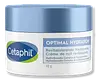
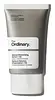
Cetaphil Optimal Hydration Revitalizing Night Cream Versus The Ordinary Natural Moisturizing Factors + HA
This barrier-repair night moisturizer is formulated around Caprylic/Capric Triglyceride and Hydrolyzed Hyaluronic Acid to strengthen the skin barrier and hydrate skin.
This barrier-repair moisturizer is formulated around Sodium Hyaluronate and Arginine to strengthen the skin barrier and hydrate skin.


What's inside
What's inside
 Key Ingredients
Benefits
Concerns
Ingredients Side-by-side
Water
Skin ConditioningCaprylic/Capric Triglyceride
Masking


Glycerin
Humectant
Pentylene Glycol
Skin Conditioning
Dimethicone
Emollient
Cetearyl Olivate


Octyldodecanol
Emollient
Simmondsia Chinensis Seed Oil
Emollient
Dicaprylyl Carbonate
EmollientSorbitan Olivate
Emulsifying
Acrylates/C10-30 Alkyl Acrylate Crosspolymer
Emulsion StabilisingAnhydroxylitol
Humectant
Bambusa Vulgaris Shoot Extract
Antioxidant
Butylene Glycol
Humectant
Cetearyl Alcohol
Emollient


Globularia Alypum Leaf Extract
Skin ConditioningGlyceryl Stearate
Emollient
Hydrogenated Starch Hydrolysate
HumectantHydrolyzed Hyaluronic Acid
Humectant

Nelumbo Nucifera Flower Extract
Skin ConditioningNymphaea Alba Root Extract
Skin ConditioningPanthenol
Skin Conditioning

Propylene Glycol
Humectant
Sodium Benzoate
Masking
Sodium Polyacrylate
Absorbent
Tocopherol
Antioxidant


Xylitol
Humectant
Xylitylglucoside
Humectant
Water, Caprylic/Capric Triglyceride, Glycerin, Pentylene Glycol, Dimethicone, Cetearyl Olivate, Octyldodecanol, Simmondsia Chinensis Seed Oil, Dicaprylyl Carbonate, Sorbitan Olivate, Acrylates/C10-30 Alkyl Acrylate Crosspolymer, Anhydroxylitol, Bambusa Vulgaris Shoot Extract, Butylene Glycol, Cetearyl Alcohol, Globularia Alypum Leaf Extract, Glyceryl Stearate, Hydrogenated Starch Hydrolysate, Hydrolyzed Hyaluronic Acid, Nelumbo Nucifera Flower Extract, Nymphaea Alba Root Extract, Panthenol, Propylene Glycol, Sodium Benzoate, Sodium Polyacrylate, Tocopherol, Xylitol, Xylitylglucoside
Water
Skin ConditioningCaprylic/Capric Triglyceride
Masking
Cetyl Alcohol
Emollient
Propanediol
Solvent
Stearyl Alcohol
Emollient
Glycerin
Humectant
Sodium Hyaluronate
Humectant
Arginine
Masking
Aspartic Acid
Masking
Glycine
Buffering
Alanine
Masking
Serine
Masking
Valine
MaskingIsoleucine
Skin ConditioningProline
Skin Conditioning
Threonine
Histidine
Humectant
Phenylalanine
Masking
Glucose
Humectant
Maltose
MaskingFructose
Humectant
Trehalose
Humectant
Sodium PCA
Humectant
PCA
Humectant
Sodium Lactate
Buffering
Urea
Buffering

Allantoin
Skin Conditioning
Linoleic Acid
Cleansing
Oleic Acid
Emollient
Phytosteryl Canola Glycerides
Skin Conditioning
Palmitic Acid
Emollient
Stearic Acid
Cleansing
Lecithin
Emollient
Triolein
Skin Conditioning
Tocopherol
Antioxidant
Carbomer
Emulsion StabilisingIsoceteth-20
EmulsifyingPolysorbate 60
Emulsifying
Sodium Chloride
MaskingCitric Acid
Buffering
Trisodium Ethylenediamine Disuccinate
Pentylene Glycol
Skin Conditioning
Triethanolamine
BufferingSodium Hydroxide
BufferingPhenoxyethanol
Preservative
Chlorphenesin
Antimicrobial
Water, Caprylic/Capric Triglyceride, Cetyl Alcohol, Propanediol, Stearyl Alcohol, Glycerin, Sodium Hyaluronate, Arginine, Aspartic Acid, Glycine, Alanine, Serine, Valine, Isoleucine, Proline, Threonine, Histidine, Phenylalanine, Glucose, Maltose, Fructose, Trehalose, Sodium PCA, PCA, Sodium Lactate, Urea, Allantoin, Linoleic Acid, Oleic Acid, Phytosteryl Canola Glycerides, Palmitic Acid, Stearic Acid, Lecithin, Triolein, Tocopherol, Carbomer, Isoceteth-20, Polysorbate 60, Sodium Chloride, Citric Acid, Trisodium Ethylenediamine Disuccinate, Pentylene Glycol, Triethanolamine, Sodium Hydroxide, Phenoxyethanol, Chlorphenesin
Reviews
Ingredients Explained
These ingredients are found in both products.
Ingredients higher up in an ingredient list are typically present in a larger amount.
Caprylic/Capric Triglyceride (aka MCT Oil) is a lightweight emollient, solvent, and texture enhancer. It is considered a skin-softener by helping to prevent moisture loss.
Though it behaves like an oil, it is not technically one due to its chemical composition. One perk of this ingredient is that it is very stable, resistant to oxidation, and unlikely to go rancid.
In practice, that translates to a long shelf life and a consistently elegant skin feel.
While there is an assumption Caprylic Triglyceride can clog pores due to it being derived from coconut oil, there is no research supporting this. Just patch test if you have concerns.
Fractionated coconut oil and MCT Oil are both listed as Caprylic/Capric Triglyceride according to INCI. This is because INCI names are based on the ingredient’s final chemical composition and not its marketing name or source.
This ingredient is treated as the gold standard fungal acne safe oil. Even though it is coconut derived, the problematic lauric acid is stripped out.
This leaves just caprylic (C8) and capric (C10) acid. These chain lengths actually trend antifungal; a 2020 study found caprylic acid was enough to disrupt Malassezia furfur cell membrane, with a caprylic acid derivative damaging membrane structures at concentrations as low as 0.2%.
Learn more about Caprylic/Capric TriglycerideGlycerin (or glycerol) is a compound naturally found in your skin. It's a powerhouse humectant that pulls water into the stratum corneum.
Topically, glycerin does several things at once:
Your skin makes glycerin on its own (mostly from sebaceous oil breakdown) and shuttles it to your outermost layer of skin, or your epidermis, via aquaporin-3.
Aquaporin-3 is a transporter that is essential for normal skin hydration, elasticity, and repair. Interestingly, mice lacking in AQP3 have dry and less elastic skin that can be fully corrected with glycerin.
This ingredient is non-irritating, plays well with almost every ingredient, and works across all skin types. Typical use is anywhere between 3-10% but can go up to 79% in some leave-on products.
Just know very high concentrations (>40%) can feel tacky in low humidity.
Glycerin is the name for this ingredient in American English. British English uses Glycerol/Glycerine.
Learn more about GlycerinPentylene Glycol (1,2-pentanediol) is a multitasking little diol with three main roles in a formula:
Research on alkanediols (the family pentylene glycol belongs to) show they work by disrupting microbial cell membranes. This disruption helps the primary preservative system in a product work more effectively at lower doses.
On the safety side, the Cosmetic Ingredient Review Expert Panel has concluded this ingredient to be safe as used in current cosmetic practices + concentrations.
Typical use levels in a formula run about 1-5%.
Learn more about Pentylene GlycolTocopherol is a fat-soluble antioxidant known as Vitamin E.
You'll find this ingredient in the vast majority of skincare (for good reason). It works to neutralize free radicals, or unstable molecules generated by UV exposure, pollution, and other environmental stressors, before they can cause oxidative damage to your skin cells.
Topically applied tocopherol has been shown to protect against UV damage by ramping up the skin's own natural defense enzymes.
It also acts as a skin conditioning agent; some studies show that regular topical use can improve the skin's water-binding capacity over 2-4 weeks.
This ingredient is especially loved for being a team player. When combined with Vitamin C, the photoprotective effect of both ingredients roughly doubles and the combo also helps reduce UV-induced DNA damage.
This ingredient has some brightening potential but it's more of a prevention ingredient than spot-fader. Cell studies show it can slow down melanin production but it's worth noting that it's not the most powerful brightener out there.
In formulations, it also serves as a stabilizer that helps protect other oxidation-prone ingredients from degrading.
Concentrations usually range from 0.1-1% in most leave-on products.
Learn more about TocopherolWater. It's the most common cosmetic ingredient of all. You'll usually see it at the top of ingredient lists, meaning that it makes up the largest part of the product.
So why is it so popular? Water most often acts as a solvent - this means that it helps dissolve other ingredients into the formulation.
You'll also recognize water as that liquid we all need to stay alive. If you see this, drink a glass of water. Remember to stay hydrated!
Learn more about Water

