

What's inside
What's inside
 Key Ingredients
Benefits
Concerns
Ingredients Side-by-side
Water
Skin ConditioningGlycerin
Humectant



Cetearyl Alcohol
Emollient



Caprylic/Capric Triglyceride
Masking
Cetyl Alcohol
Emollient
Ceteareth-20
Cleansing
Petrolatum
Emollient
Potassium Phosphate
BufferingCeramide NP
Skin Conditioning


Ceramide AP
Skin Conditioning
Ceramide EOP
Skin Conditioning
Carbomer
Emulsion StabilisingDimethicone
Emollient
Behentrimonium Methosulfate

Sodium Lauroyl Lactylate
EmulsifyingSodium Hyaluronate
Humectant
Cholesterol
Emollient
Phenoxyethanol
Preservative
Disodium EDTA
Dipotassium Phosphate
BufferingTocopherol
Antioxidant

Phytosphingosine
Skin Conditioning
Xanthan Gum
EmulsifyingEthylhexylglycerin
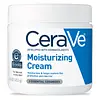
Skin ConditioningWater, Glycerin, Cetearyl Alcohol, Caprylic/Capric Triglyceride, Cetyl Alcohol, Ceteareth-20, Petrolatum, Potassium Phosphate, Ceramide NP, Ceramide AP, Ceramide EOP, Carbomer, Dimethicone, Behentrimonium Methosulfate, Sodium Lauroyl Lactylate, Sodium Hyaluronate, Cholesterol, Phenoxyethanol, Disodium EDTA, Dipotassium Phosphate, Tocopherol, Phytosphingosine, Xanthan Gum, Ethylhexylglycerin
Water
Skin ConditioningSesamum Indicum Seed Oil
Emollient
Propylheptyl Caprylate
EmollientPropylene Glycol
Humectant

Octyldodecyl Myristate
EmollientButyrospermum Parkii Butter
Skin Conditioning
Glycerin
Humectant
Coco-Caprylate/Caprate
Emollient
Rhus Verniciflua Peel Wax
Sucrose Polystearate
EmollientDipropylene Glycol
HumectantBetaine
Humectant
Cetearyl Alcohol
Emollient
Cera Alba
Emollient
Pentylene Glycol
Skin ConditioningCetyl Alcohol
Emollient
Sesamum Indicum Oil Unsaponifiables
Emollient
Shorea Robusta Seed Butter
Emollient
Sodium Stearoyl Glutamate
CleansingAlpha-Glucan Oligosaccharide
CleansingEuphorbia Cerifera Wax
Ammonium Acryloyldimethyltaurate/Vp Copolymer
Ethylhexylglycerin
Skin ConditioningXanthan Gum
EmulsifyingOryza Sativa Hull Powder
Abrasive
Hydrogenated Olive Oil Unsaponifiables
Emollient
Dextrin
AbsorbentHydrolyzed Hibiscus Esculentus Extract
Skin ConditioningParfum
Masking
Olea Europaea Oil Unsaponifiables
Skin Conditioning
Betula Alba Bark Extract
Masking
Scrophularia Nodosa Extract
Skin ConditioningCitric Acid
Buffering



Tocopherol
Antioxidant
O-Cymen-5-Ol
Antimicrobial
Madecassoside
Antioxidant
Asiaticoside
Antioxidant
Helianthus Annuus Seed Oil
Emollient
Glycine Soja Oil
Emollient
Hydrolyzed Rice Protein
Skin ConditioningAsiatic Acid
Skin ConditioningSodium Phytate
Datem
EmollientSunflower Seed Oil Glycerides
Emollient
Rosmarinus Officinalis Leaf Extract
AntimicrobialAlcohol
Antimicrobial


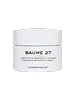
Water, Sesamum Indicum Seed Oil, Propylheptyl Caprylate, Propylene Glycol, Octyldodecyl Myristate, Butyrospermum Parkii Butter, Glycerin, Coco-Caprylate/Caprate, Rhus Verniciflua Peel Wax, Sucrose Polystearate, Dipropylene Glycol, Betaine, Cetearyl Alcohol, Cera Alba, Pentylene Glycol, Cetyl Alcohol, Sesamum Indicum Oil Unsaponifiables, Shorea Robusta Seed Butter, Sodium Stearoyl Glutamate, Alpha-Glucan Oligosaccharide, Euphorbia Cerifera Wax, Ammonium Acryloyldimethyltaurate/Vp Copolymer, Ethylhexylglycerin, Xanthan Gum, Oryza Sativa Hull Powder, Hydrogenated Olive Oil Unsaponifiables, Dextrin, Hydrolyzed Hibiscus Esculentus Extract, Parfum, Olea Europaea Oil Unsaponifiables, Betula Alba Bark Extract, Scrophularia Nodosa Extract, Citric Acid, Tocopherol, O-Cymen-5-Ol, Madecassoside, Asiaticoside, Helianthus Annuus Seed Oil, Glycine Soja Oil, Hydrolyzed Rice Protein, Asiatic Acid, Sodium Phytate, Datem, Sunflower Seed Oil Glycerides, Rosmarinus Officinalis Leaf Extract, Alcohol
Reviews
Ingredients Explained
These ingredients are found in both products.
Ingredients higher up in an ingredient list are typically present in a larger amount.
Cetearyl alcohol is a mixture of two fatty alcohols: cetyl alcohol and stearyl alcohol. It is mainly used as an emulsifier. Emulsifiers help prevent the separation of oils and products. Due to its composition, it can also be used to thicken a product or help create foam.
Cetearyl alcohol is an emollient. Emollients help soothe and hydrate the skin by trapping moisture.
Studies show Cetearyl alcohol is non-toxic and non-irritating. The FDA allows products labeled "alcohol-free" to have fatty alcohols.
This ingredient is usually derived from plant oils such as palm, vegetable, or coconut oils. There is debate on whether this ingredient will cause acne.
Due to the fatty acid base, this ingredient may not be Malassezia folliculitis safe.
Learn more about Cetearyl AlcoholCetyl Alcohol is a fatty alcohol. Fatty Alcohols are most often used as an emollient or to thicken a product.
Its main roles are:
Though it has "alcohol" in the name, it is not related to denatured alcohol or ethyl alcohol.
The FDA allows products labeled "alcohol-free" to have fatty alcohols.
Learn more about Cetyl AlcoholEthylhexylglycerin (we can't pronounce this either) is commonly used as a preservative and skin softener. It is derived from glyceryl.
You might see Ethylhexylglycerin often paired with other preservatives such as phenoxyethanol. Ethylhexylglycerin has been found to increase the effectiveness of these other preservatives.
Glycerin is already naturally found in your skin. It helps moisturize and protect your skin.
A study from 2016 found glycerin to be more effective as a humectant than AHAs and hyaluronic acid.
As a humectant, it helps the skin stay hydrated by pulling moisture to your skin. The low molecular weight of glycerin allows it to pull moisture into the deeper layers of your skin.
Hydrated skin improves your skin barrier; Your skin barrier helps protect against irritants and bacteria.
Glycerin has also been found to have antimicrobial and antiviral properties. Due to these properties, glycerin is often used in wound and burn treatments.
In cosmetics, glycerin is usually derived from plants such as soybean or palm. However, it can also be sourced from animals, such as tallow or animal fat.
This ingredient is organic, colorless, odorless, and non-toxic.
Glycerin is the name for this ingredient in American English. British English uses Glycerol/Glycerine.
Learn more about GlycerinTocopherol (also known as Vitamin E) is a common antioxidant used to help protect the skin from free-radicals and strengthen the skin barrier. It's also fat soluble - this means our skin is great at absorbing it.
Vitamin E also helps keep your natural skin lipids healthy. Your lipid skin barrier naturally consists of lipids, ceramides, and fatty acids. Vitamin E offers extra protection for your skin’s lipid barrier, keeping your skin healthy and nourished.
Another benefit is a bit of UV protection. Vitamin E helps reduce the damage caused by UVB rays. (It should not replace your sunscreen). Combining it with Vitamin C can decrease sunburned cells and hyperpigmentation after UV exposure.
You might have noticed Vitamin E + C often paired together. This is because it is great at stabilizing Vitamin C. Using the two together helps increase the effectiveness of both ingredients.
There are often claims that Vitamin E can reduce/prevent scarring, but these claims haven't been confirmed by scientific research.
Learn more about TocopherolWater. It's the most common cosmetic ingredient of all. You'll usually see it at the top of ingredient lists, meaning that it makes up the largest part of the product.
So why is it so popular? Water most often acts as a solvent - this means that it helps dissolve other ingredients into the formulation.
You'll also recognize water as that liquid we all need to stay alive. If you see this, drink a glass of water. Stay hydrated!
Learn more about WaterXanthan gum is used as a stabilizer and thickener within cosmetic products. It helps give products a sticky, thick feeling - preventing them from being too runny.
On the technical side of things, xanthan gum is a polysaccharide - a combination consisting of multiple sugar molecules bonded together.
Xanthan gum is a pretty common and great ingredient. It is a natural, non-toxic, non-irritating ingredient that is also commonly used in food products.
Learn more about Xanthan Gum
