
What's inside
What's inside
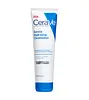 Key Ingredients
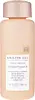
No key ingredients
Benefits
Concerns
Ingredients Side-by-side
Water
Skin ConditioningCetearyl Alcohol
Emollient






Behentrimonium Chloride
Preservative
Glycerin
Humectant


PEG-180
HumectantAmodimethicone

Cetyl Esters
Emollient
Ceramide NP
Skin Conditioning



Ceramide AP
Skin Conditioning
Ceramide EOP
Skin Conditioning
Carbomer
Emulsion StabilisingNiacinamide
Smoothing






Trideceth-6
EmulsifyingTriethyl Citrate
Masking

Sodium Lauroyl Lactylate
EmulsifyingSodium Hyaluronate
Humectant
Sodium Phosphate
BufferingCholesterol
Emollient
Chlorhexidine Dihydrochloride
Antimicrobial
Disodium Phosphate
BufferingIsopropyl Alcohol
Solvent


Hydroxyethylcellulose
Emulsion StabilisingCetrimonium Chloride
Antimicrobial
Caprylyl Glycol
Emollient
Phytosphingosine
Skin Conditioning
Xanthan Gum
EmulsifyingPolysorbate 60
Emulsifying
Benzoic Acid
Masking
Water, Cetearyl Alcohol, Behentrimonium Chloride, Glycerin, PEG-180, Amodimethicone, Cetyl Esters, Ceramide NP, Ceramide AP, Ceramide EOP, Carbomer, Niacinamide, Trideceth-6, Triethyl Citrate, Sodium Lauroyl Lactylate, Sodium Hyaluronate, Sodium Phosphate, Cholesterol, Chlorhexidine Dihydrochloride, Disodium Phosphate, Isopropyl Alcohol, Hydroxyethylcellulose, Cetrimonium Chloride, Caprylyl Glycol, Phytosphingosine, Xanthan Gum, Polysorbate 60, Benzoic Acid
Water
Skin ConditioningCetearyl Alcohol
Emollient
Behentrimonium Chloride
Preservative
Glycerin
Humectant
Cetyl Alcohol
Emollient
Parfum
Masking
Phenoxyethanol
Preservative
Cetrimonium Chloride
Antimicrobial
Isopropyl Palmitate
Emollient
Isopropyl Alcohol
Solvent
Caprylyl Glycol
Emollient
Polyquaternium-37
Steapyrium Chloride
AntimicrobialGuar Hydroxypropyltrimonium Chloride
Skin ConditioningPropylene Glycol Dicaprylate/Dicaprate
EmollientEthylhexylglycerin
Skin ConditioningPanthenol
Skin Conditioning
PPG-1 Trideceth-6
Skin ConditioningIsopropyl Myristate
Emollient
Acrylates/Stearyl Methacrylate Copolymer
Emulsion StabilisingCitric Acid
Buffering
Isopropyl Laurate
EmollientSorbitan Oleate
Emulsifying
Cetearamidoethyldiethonium Succinoyl Hydrolyzed Pea Protein
CleansingHypnea Musciformis Extract
Skin Protecting
Sargassum Filipendula Extract
Skin Protecting
Sorbitol
Humectant
Caprylic/Capric Triglyceride
Masking
Chamomilla Recutita Flower Extract
Masking
Helianthus Annuus Seed Oil
Emollient
Mangifera Indica Seed Butter
Skin Conditioning
Persea Gratissima Oil
Skin Conditioning
Ricinus Communis Seed Oil
Masking
Coco-Glucoside
Cleansing
Gelidiella Acerosa Extract
Skin Protecting
Algin
MaskingCarrageenan
Chitosan
Xanthan Gum
EmulsifyingCoumarin
Perfuming
Linalool
Perfuming
Water, Cetearyl Alcohol, Behentrimonium Chloride, Glycerin, Cetyl Alcohol, Parfum, Phenoxyethanol, Cetrimonium Chloride, Isopropyl Palmitate, Isopropyl Alcohol, Caprylyl Glycol, Polyquaternium-37, Steapyrium Chloride, Guar Hydroxypropyltrimonium Chloride, Propylene Glycol Dicaprylate/Dicaprate, Ethylhexylglycerin, Panthenol, PPG-1 Trideceth-6, Isopropyl Myristate, Acrylates/Stearyl Methacrylate Copolymer, Citric Acid, Isopropyl Laurate, Sorbitan Oleate, Cetearamidoethyldiethonium Succinoyl Hydrolyzed Pea Protein, Hypnea Musciformis Extract, Sargassum Filipendula Extract, Sorbitol, Caprylic/Capric Triglyceride, Chamomilla Recutita Flower Extract, Helianthus Annuus Seed Oil, Mangifera Indica Seed Butter, Persea Gratissima Oil, Ricinus Communis Seed Oil, Coco-Glucoside, Gelidiella Acerosa Extract, Algin, Carrageenan, Chitosan, Xanthan Gum, Coumarin, Linalool
Reviews
Ingredients Explained
These ingredients are found in both products.
Ingredients higher up in an ingredient list are typically present in a larger amount.
This ingredient is a preservative and often used for it's anti-static properties. You'll most likely see this ingredient in hair conditioners.
It does not cause irritation or sensitization in leave-on products at 1-5%.
Caprylyl Glycol is a humectant, skin conditioner, emollient, and preservative booster derived from either caprylic acid or synthetically created.
Typical use levels vary from 0.3-1% as a preservative booster and go up to 2% to condition skin.
Because it is not a free-fatty acid, this ingredient is fungal acne safe (there's nothing for Malassezia to feed on).
Learn more about Caprylyl GlycolCetearyl alcohol is a waxy mixture of two fatty alcohols: cetyl alcohol and stearyl alcohol. It is an emollient and emulsifier.
Despite having "alcohol" in its name, it has nothing to do with drying solvent alcohols; the FDA also allows "alcohol-free" products to contain fatty alcohols like this ingredient.
It plays several roles in a formula:
Typical use levels for this ingredient sit around 1-10% and the Cosmetic Ingredient Review Expert Panel has affirmed safety at concentrations up to 25% in leave-on products.
Multiple assessments have found it to be non-irritating and non-sensitizing to most people.
However, there have been some cases of allergic contact dermatitis in patients with chronically compromised skin barriers.
Cetearyl alcohol has a comedogenic rating of 2 and irritancy rating of 1. Both of these numbers come from the 1989 study that used rabbit ears; a "2" means mildly comedogenic and a "1" means low irritancy.
Here's the catch: rabbit skin is more sensitive than human skin and throws a lot of false positives. A 1996 reappraisal found that ingredients rated 1-2 in the rabbit ear tests are generally safe for humans.
Remember comedogenic ratings are unable to assess the entire formula of a product or how it will react on your skin. Just be sure to patch test if you are unsure about certain ingredients.
This ingredient is not fungal acne safe. Cetearyl alcohol is a fatty alcohol with chain lengths that fall within the range that Malassezia can metabolize.
A 2019 study has also observed Malassezia growth in the presence of this ingredient, confirming it to be not-fungal acne safe.
Learn more about Cetearyl AlcoholThis ingredient is a preservative, antimicrobial, and emulsifier. It is often used in cosmetics for its ability to cleanse, condition, and reduce static.
Cetrimonium chloride is a quaternary ammonium salt, meaning it has a water-soluble structure.
Glycerin (or glycerol) is a compound naturally found in your skin. It's a powerhouse humectant that pulls water into the stratum corneum.
Topically, glycerin does several things at once:
Your skin makes glycerin on its own (mostly from sebaceous oil breakdown) and shuttles it to your outermost layer of skin, or your epidermis, via aquaporin-3.
Aquaporin-3 is a transporter that is essential for normal skin hydration, elasticity, and repair. Interestingly, mice lacking in AQP3 have dry and less elastic skin that can be fully corrected with glycerin.
This ingredient is non-irritating, plays well with almost every ingredient, and works across all skin types. Typical use is anywhere between 3-10% but can go up to 79% in some leave-on products.
Just know very high concentrations (>40%) can feel tacky in low humidity.
Glycerin is the name for this ingredient in American English. British English uses Glycerol/Glycerine.
Learn more about GlycerinIsopropyl Alcohol is a small, fast-evaporating alcohol.
Formulators use it as a solvent, a way to think out thick liquids, an antifoaming agent, and occasionally a fragrance ingredient.
Reported use concentrations run from 0.002%-100% and any number over 50% usually comes from a nail product.
Actual skincare numbers run much lower: cleansers (0.3-26%), toners (0.07-7%), face moisturizers (0.04-0.2%).
The Cosmetic Ingredient Review Expert Panel reviewed it and concluded it is safe in the present practices of use and the International Agency for Research on Cancer classifies it as a non-carcinogenic to humans.
True allergy to this ingredient is uncommon but real: 44 out of 1,450 patients patch tested between 1992-2011 reacted with most cases clustering in people with leg ulcers, occupational hand eczema, or repeated use of Isopropyl Alcohol on already-broken skin.
Irritation and dryness are far more likely than allergy; before you throw away your skincare, just know this is dose-dependent and the risk is modest.
The irritant potential of the alcohols used in hand antiseptics is very low and skin irritation is significantly lower after alcohol application than after detergents (though isopropanol is somewhat more irritating than ethanol).
A 70% solution was a severe eye irritant in rabbit eye tests so the industry keeps this ingredient at low percentages in eye-area products.
One genuine caution: a 70% solution was a severe eye irritant in rabbit eye tests, so it belongs at low percentages in eye-area products, which is where the industry already keeps it.
According to the National Rosacea Society based in the US, you should be mindful of products with these alcohols in the top half of ingredients.
Learn more about Isopropyl AlcoholWater. It's the most common cosmetic ingredient of all. You'll usually see it at the top of ingredient lists, meaning that it makes up the largest part of the product.
So why is it so popular? Water most often acts as a solvent - this means that it helps dissolve other ingredients into the formulation.
You'll also recognize water as that liquid we all need to stay alive. If you see this, drink a glass of water. Remember to stay hydrated!
Learn more about WaterXanthan gum is used as a stabilizer and thickener within cosmetic products. It helps give products a sticky, thick feeling - preventing them from being too runny.
On the technical side of things, xanthan gum is a polysaccharide - a combination consisting of multiple sugar molecules bonded together.
Xanthan gum is a pretty common and great ingredient. It is a natural, non-toxic, non-irritating ingredient that is also commonly used in food products.
Learn more about Xanthan Gum

