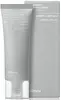
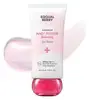
Celimax Dual Barrier Watery Sun Cream SPF 50+ PA++++ Versus Eqqualberry NAD+ Peptide Boosting Sun Serum SPF 50+
This hybrid sunscreen covers the full UV range and blocks ~98% of UVB at SPF 50.
This chemical sunscreen covers the full UV range and blocks ~98% of UVB at SPF 50.

What's inside
What's inside
 Key Ingredients
Benefits
Concerns
Ingredients Side-by-side
Water
Skin ConditioningZinc Oxide
Cosmetic Colorant


Cyclohexasiloxane
Emollient
Butyloctyl Salicylate
Skin Conditioning
Propanediol
Solvent

Propylheptyl Caprylate
EmollientIsododecane
EmollientPolyglyceryl-3 Polydimethylsiloxyethyl Dimethicone
Skin Conditioning
Dicaprylyl Carbonate
EmollientCaprylyl Methicone
Skin Conditioning
Rosmarinus Officinalis Leaf Oil
Masking
Sodium Hyaluronate
Humectant


Hydrogenated Lecithin
Emulsifying
Disteardimonium Hectorite
StabilisingMagnesium Sulfate
Triethoxycaprylylsilane
1,2-Hexanediol
Skin Conditioning
Methyl Methacrylate Crosspolymer
Vinyl Dimethicone/Methicone Silsesquioxane Crosspolymer
Polyglyceryl-2 Dipolyhydroxystearate
Skin Conditioning

Lauryl Polyglyceryl-3 Polydimethylsiloxyethyl Dimethicone
Skin Conditioning
Glyceryl Caprylate
EmollientCaprylyl Glycol
Emollient
Ethylhexylglycerin
Skin ConditioningHeptasodium Hexacarboxymethyl Dipeptide-12
Skin Conditioning
Tocopherol
Antioxidant



Ceramide NP
Skin Conditioning

Dipropylene Glycol
HumectantGlyceryl Stearate
Emollient
Ceramide As
Skin Conditioning
Ceramide AP
Skin Conditioning
Water, Zinc Oxide, Cyclohexasiloxane, Butyloctyl Salicylate, Propanediol, Propylheptyl Caprylate, Isododecane, Polyglyceryl-3 Polydimethylsiloxyethyl Dimethicone, Dicaprylyl Carbonate, Caprylyl Methicone, Rosmarinus Officinalis Leaf Oil, Sodium Hyaluronate, Hydrogenated Lecithin, Disteardimonium Hectorite, Magnesium Sulfate, Triethoxycaprylylsilane, 1,2-Hexanediol, Methyl Methacrylate Crosspolymer, Vinyl Dimethicone/Methicone Silsesquioxane Crosspolymer, Polyglyceryl-2 Dipolyhydroxystearate, Lauryl Polyglyceryl-3 Polydimethylsiloxyethyl Dimethicone, Glyceryl Caprylate, Caprylyl Glycol, Ethylhexylglycerin, Heptasodium Hexacarboxymethyl Dipeptide-12, Tocopherol, Ceramide NP, Dipropylene Glycol, Glyceryl Stearate, Ceramide As, Ceramide AP
Water
Skin ConditioningDibutyl Adipate
EmollientPropanediol
Solvent
Ethylhexyl Triazone
UV Absorber
Diethylamino Hydroxybenzoyl Hexyl Benzoate
UV Filter
Methylene Bis-Benzotriazolyl Tetramethylbutylphenol
UV Filter
Niacinamide
Smoothing




1,2-Hexanediol
Skin Conditioning
Pentylene Glycol
Skin Conditioning
Bis-Ethylhexyloxyphenol Methoxyphenyl Triazine
UV Absorber
Dipropylene Glycol Dibenzoate
EmollientBehenyl Alcohol
Emollient
C10-30 Alkyl Acrylate
Drometrizole Trisiloxane
UV Absorber
Glyceryl Stearate
Emollient
Polyglyceryl-3 Methylglucose Distearate
Emulsifying
Vp/Eicosene Copolymer
Decyl Glucoside
Cleansing
Tromethamine
BufferingCarbomer
Emulsion StabilisingButylene Glycol
Humectant
Acrylates/C10-30 Alkyl Acrylate Crosspolymer
Emulsion StabilisingCutibacterium Acnes Ferment Filtrate
Antioxidant
Methylpropanediol
SolventPolyester-5
Polyacrylate Crosspolymer-6
Emulsion StabilisingSodium Stearoyl Glutamate
CleansingAdenosine
Skin Conditioning
Glycerin
Humectant
Xanthan Gum
EmulsifyingCyanocobalamin
Skin ConditioningPolyether-1
Cetyl Hydroxyethylcellulose
Emulsion StabilisingLactobacillus Extracellular Vesicles
Xyloglucan
HumectantPiperidinedione
Skin ConditioningHydrogenated Lecithin
Emulsifying
Cholesterol
Emollient
Punica Granatum Fruit Juice
MaskingChitosan
Nicotinamide Adenine Dinucleotide
Skin ConditioningCeramide NP
Skin Conditioning
Rubus Fruticosus Fruit Extract
AstringentRubus Idaeus Fruit Extract
AstringentSambucus Nigra Fruit Extract
AstringentVaccinium Angustifolium Fruit Extract
Skin Protecting
Vaccinium Macrocarpon Fruit Extract
AstringentCollagen Extract
Skin Conditioning
Arginine
Masking
Hydrolyzed Collagen
Emollient
Soluble Collagen
Humectant
Acetyl Hexapeptide-8
Humectant
Ascorbic Acid Polypeptide
Antioxidant
Acetyl Octapeptide-3
Humectant
Acetyl Tetrapeptide-2
Skin Conditioning
Acetyl Tetrapeptide-3
Skin Protecting
Acetyl Tetrapeptide-5
Humectant
Acetyl Tetrapeptide-9
Skin Conditioning
Carnosine
Skin Conditioning
Copper Tripeptide-1
Skin Conditioning
Nonapeptide-1
Skin Conditioning
Palmitoyl Pentapeptide-4
Skin Conditioning
Palmitoyl Tripeptide-1
Skin Conditioning
Palmitoyl Tripeptide-5
Skin Conditioning
Water, Dibutyl Adipate, Propanediol, Ethylhexyl Triazone, Diethylamino Hydroxybenzoyl Hexyl Benzoate, Methylene Bis-Benzotriazolyl Tetramethylbutylphenol, Niacinamide, 1,2-Hexanediol, Pentylene Glycol, Bis-Ethylhexyloxyphenol Methoxyphenyl Triazine, Dipropylene Glycol Dibenzoate, Behenyl Alcohol, C10-30 Alkyl Acrylate, Drometrizole Trisiloxane, Glyceryl Stearate, Polyglyceryl-3 Methylglucose Distearate, Vp/Eicosene Copolymer, Decyl Glucoside, Tromethamine, Carbomer, Butylene Glycol, Acrylates/C10-30 Alkyl Acrylate Crosspolymer, Cutibacterium Acnes Ferment Filtrate, Methylpropanediol, Polyester-5, Polyacrylate Crosspolymer-6, Sodium Stearoyl Glutamate, Adenosine, Glycerin, Xanthan Gum, Cyanocobalamin, Polyether-1, Cetyl Hydroxyethylcellulose, Lactobacillus Extracellular Vesicles, Xyloglucan, Piperidinedione, Hydrogenated Lecithin, Cholesterol, Punica Granatum Fruit Juice, Chitosan, Nicotinamide Adenine Dinucleotide, Ceramide NP, Rubus Fruticosus Fruit Extract, Rubus Idaeus Fruit Extract, Sambucus Nigra Fruit Extract, Vaccinium Angustifolium Fruit Extract, Vaccinium Macrocarpon Fruit Extract, Collagen Extract, Arginine, Hydrolyzed Collagen, Soluble Collagen, Acetyl Hexapeptide-8, Ascorbic Acid Polypeptide, Acetyl Octapeptide-3, Acetyl Tetrapeptide-2, Acetyl Tetrapeptide-3, Acetyl Tetrapeptide-5, Acetyl Tetrapeptide-9, Carnosine, Copper Tripeptide-1, Nonapeptide-1, Palmitoyl Pentapeptide-4, Palmitoyl Tripeptide-1, Palmitoyl Tripeptide-5
Reviews
Ingredients Explained
These ingredients are found in both products.
Ingredients higher up in an ingredient list are typically present in a larger amount.
1,2-Hexanediol is a synthetic liquid and another multi-functional powerhouse.
It is a:
- Humectant, drawing moisture into the skin
- Emollient, helping to soften skin
- Solvent, dispersing and stabilizing formulas
- Preservative booster, enhancing the antimicrobial activity of other preservatives
Ceramide NP (formerly known as Ceramide 3) is one of the skin's naturally occurring lipids.
Since ceramides are the major lipid components of the skin, they are crucial for maintaining skin barrier and hydration. Ceramide NP most closely mirrors the dominant kind in human skin amongst ceramide subtypes.
This ceramide works by slotting into gaps within the stratum corneum's lipid matrix to limit trans-epidermal water loss (TEWL) and shield the skin against external irritants.
A study with 312 patients found that using a ceramide-containing routine for 4 weeks reduced the severity of atopic dermatitis by over 61%.
Another clinical study in subjects aged 60 and older found that a ceramide body wash and moisturizer improved skin dryness and itchy skin in 15 days.
Overall, ceramides are considered non-irritating and safety tests have found little to no observable adverse effects from using this ingredient.
Ceramide NP is usually sourced from plants (like soybean or rice bran), or produced synthetically.
Learn more about Ceramide NPGlyceryl Stearate is made by reacting glycerin with stearic acid (typically sourced from plant oils like palm or coconut). It's an emulsifier, emollient, and mild occlusive.
Emulsifiers help ingredients like oil and water stay mixed so your formula stays nicely blended and uniform in texture.
This ingredient is typically used in concentrations between 1-10%. Studies have found it to be non-sensitizing, non-phototoxic, and non-photoallergenic.
A close cousin of this ingredient is Glyceryl Stearate SE ("self-emulsifying"). This just has a small amount of sodium or potassium stearate added so it can emulsify without a co-emulsifier.
Since this ingredient is an ester of a C18 fatty acid, it may not be fungal acne safe. The Malassezia yeast can potentially metabolize within the C11-C24 range.
Fun fact: The human body also creates Glyceryl Stearate naturally.
Learn more about Glyceryl StearateHydrogenated Lecithin is a more stable version of lecithin.
It's made by taking lecithin (a phospholipid commonly found in soybeans and egg yolks) and hydrogenating it. This just means the unsaturated fatty acids are turned into saturated ones so they don't go bad as easily.
This ingredient is an emollient, emulsifier, and penetration enhancer. As an emollient, it helps soften and hydrate skin by trapping moisture within. As an emulsifier, it prevents oil and water ingredients from separating.
Hydrogenated Lecithin can form tiny spherical structures made of phospholipid bilayers called liposomes. These liposomes are able to capture compounds inside their structure and deliver them through the skin barrier.
Because phospholipids are a natural component of our cell membranes, this ingredient is inherently compatible with skin.
A 2021 study found lecithin-based surfactants were less harsh and more tolerable comared to Sodium Lauryl Sulfate (SLS).
Learn more about Hydrogenated LecithinPropanediol is an all-star ingredient. It softens, hydrates, and smooths the skin.
It’s often used to:
Propanediol is not likely to cause sensitivity and considered safe to use. It is derived from corn or petroleum with a clear color and no scent.
Learn more about PropanediolWater. It's the most common cosmetic ingredient of all. You'll usually see it at the top of ingredient lists, meaning that it makes up the largest part of the product.
So why is it so popular? Water most often acts as a solvent - this means that it helps dissolve other ingredients into the formulation.
You'll also recognize water as that liquid we all need to stay alive. If you see this, drink a glass of water. Remember to stay hydrated!
Learn more about Water

