Celeteque Facial Moisturizer Versus Fresh Skinlab K-Aloe Ice 3 in 1 Niacinamide Dark Spot Serum Cream
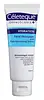
This calming moisturizer is formulated around Panthenol to calm redness and hydrate skin.
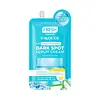
This brightening moisturizer is formulated around Niacinamide and Aloe Barbadensis Leaf Powder to fade the look of dark spots and brighten dull-looking skin.

What's inside
What's inside
 Key Ingredients
Benefits
Concerns
Ingredients Side-by-side
Water
Skin ConditioningDimethicone
Emollient

Glycerin
Humectant

Panthenol
Skin Conditioning

Hexylene Glycol
EmulsifyingPhenoxyethanol
Preservative
Carbomer
Emulsion StabilisingSodium Hydroxide
BufferingPentylene Glycol
Skin Conditioning
Disodium EDTA
ChelatingPropylene Glycol
Humectant

Ethylhexylglycerin
Skin ConditioningAloe Barbadensis Leaf Extract
Emollient
4-T-Butylcyclohexanol
Masking

PEG-40 Hydrogenated Castor Oil
Emulsifying

Trideceth-9
EmulsifyingCitric Acid
Buffering

Hydroxyphenyl Propamidobenzoic Acid
Skin ConditioningLavandula Angustifolia Flower/Leaf/Stem Extract
Masking
Bisabolol
Antioxidant
Water, Dimethicone, Glycerin, Panthenol, Hexylene Glycol, Phenoxyethanol, Carbomer, Sodium Hydroxide, Pentylene Glycol, Disodium EDTA, Propylene Glycol, Ethylhexylglycerin, Aloe Barbadensis Leaf Extract, 4-T-Butylcyclohexanol, PEG-40 Hydrogenated Castor Oil, Trideceth-9, Citric Acid, Hydroxyphenyl Propamidobenzoic Acid, Lavandula Angustifolia Flower/Leaf/Stem Extract, Bisabolol
Water
Skin ConditioningTitanium Dioxide
Cosmetic Colorant

Propylene Glycol
Humectant
C12-15 Alkyl Benzoate
AntimicrobialZinc Oxide
Cosmetic Colorant
Ethylhexyl Methoxycinnamate
UV Absorber
Methylene Bis-Benzotriazolyl Tetramethylbutylphenol
UV Filter
Octocrylene
UV Absorber
Alcohol
Antimicrobial

Caprylic/Capric Triglyceride
Masking
Niacinamide
Smoothing





Polysorbate 60
Emulsifying
Bis-Ethylhexyloxyphenol Methoxyphenyl Triazine
UV Absorber
Vp/Hexadecene Copolymer
Sodium Polyacryloyldimethyl Taurate
Emulsion StabilisingAloe Barbadensis Leaf Powder
Skin Conditioning
Hydrogenated Polydecene
EmollientAluminum Hydroxide
EmollientTocopheryl Acetate
Antioxidant
Trehalose
Humectant
Ethylhexylglycerin
Skin ConditioningDecyl Glucoside
Cleansing
Parfum
Masking
Stearic Acid
Cleansing
Triethoxycaprylylsilane
Xanthan Gum
EmulsifyingTrideceth-10
CleansingChlorphenesin
Antimicrobial
Menthol
Masking
Calcium Pantothenate
Sodium Ascorbyl Phosphate
Antioxidant
Pyridoxine Hcl
Skin ConditioningMaltodextrin
Absorbent
Sodium Starch Octenylsuccinate
AbsorbentSilica
Abrasive
Centella Asiatica Leaf Extract
Skin Conditioning
Water, Titanium Dioxide, Propylene Glycol, C12-15 Alkyl Benzoate, Zinc Oxide, Ethylhexyl Methoxycinnamate, Methylene Bis-Benzotriazolyl Tetramethylbutylphenol, Octocrylene, Alcohol, Caprylic/Capric Triglyceride, Niacinamide, Polysorbate 60, Bis-Ethylhexyloxyphenol Methoxyphenyl Triazine, Vp/Hexadecene Copolymer, Sodium Polyacryloyldimethyl Taurate, Aloe Barbadensis Leaf Powder, Hydrogenated Polydecene, Aluminum Hydroxide, Tocopheryl Acetate, Trehalose, Ethylhexylglycerin, Decyl Glucoside, Parfum, Stearic Acid, Triethoxycaprylylsilane, Xanthan Gum, Trideceth-10, Chlorphenesin, Menthol, Calcium Pantothenate, Sodium Ascorbyl Phosphate, Pyridoxine Hcl, Maltodextrin, Sodium Starch Octenylsuccinate, Silica, Centella Asiatica Leaf Extract
Reviews
Ingredients Explained
These ingredients are found in both products.
Ingredients higher up in an ingredient list are typically present in a larger amount.
Ethylhexylglycerin is created from glycerin. It is a multitasker ingredient that:
The CIR Expert Panel found minimal skin absorption or sensitization of any kind in a safety assessment. Though this ingredient is considered well-tolerated, a small number of cases of allergic dermatitis have been published since 2002. Just be sure to patch test if you are unsure.
Industry-reported use ranges from 8% in rinse-off products and 2% in leave-on formulations.
Learn more about EthylhexylglycerinPropylene Glycol is a synthetic, colorless, odorless liquid that has been a staple in cosmetics for decades. It is a skin conditioning agent, humectant, and solvent.
As a humectant, it draw water to the skin to reduce flaking and restore suppleness. It's also a solvent that helps dissolve other actives and keeps formulas stable across temperature changes.
The CIR Expert Panel has confirmed this ingredient to be nontoxic and clinical studies show no sensitization at cosmetic use concentrations.
True allergic reactions are quite rare: a 15-year retrospective study of 6,751 patients found only 0.31% had a positive reaction (and less than half were considered clinically relevant).
It seemed that when sensitization does occur, it's most commonly linked to topical medication (like corticosteroids) and not cosmetics. Allergic contact dermatitis also appears largely limited to individuals with underlying skin conditions.
Overall, propylene glycol is a well-studied ingredient that most people can tolerate without issue.
Learn more about Propylene GlycolWater. It's the most common cosmetic ingredient of all. You'll usually see it at the top of ingredient lists, meaning that it makes up the largest part of the product.
So why is it so popular? Water most often acts as a solvent - this means that it helps dissolve other ingredients into the formulation.
You'll also recognize water as that liquid we all need to stay alive. If you see this, drink a glass of water. Remember to stay hydrated!
Learn more about Water

